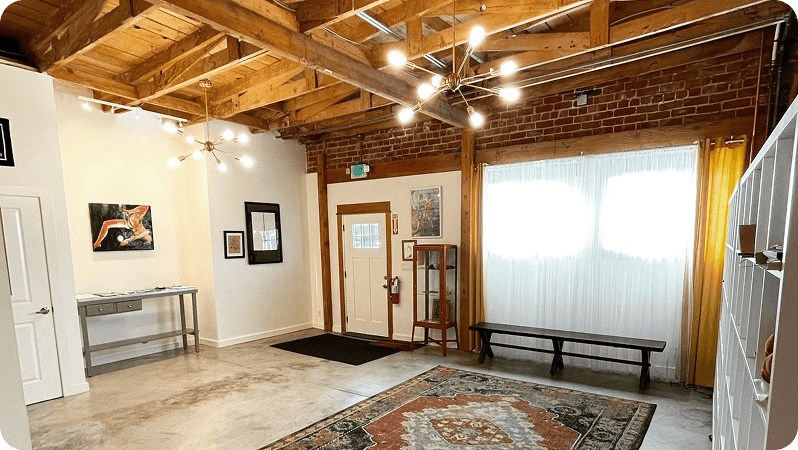

Oakland, United States
VoxBody Studio
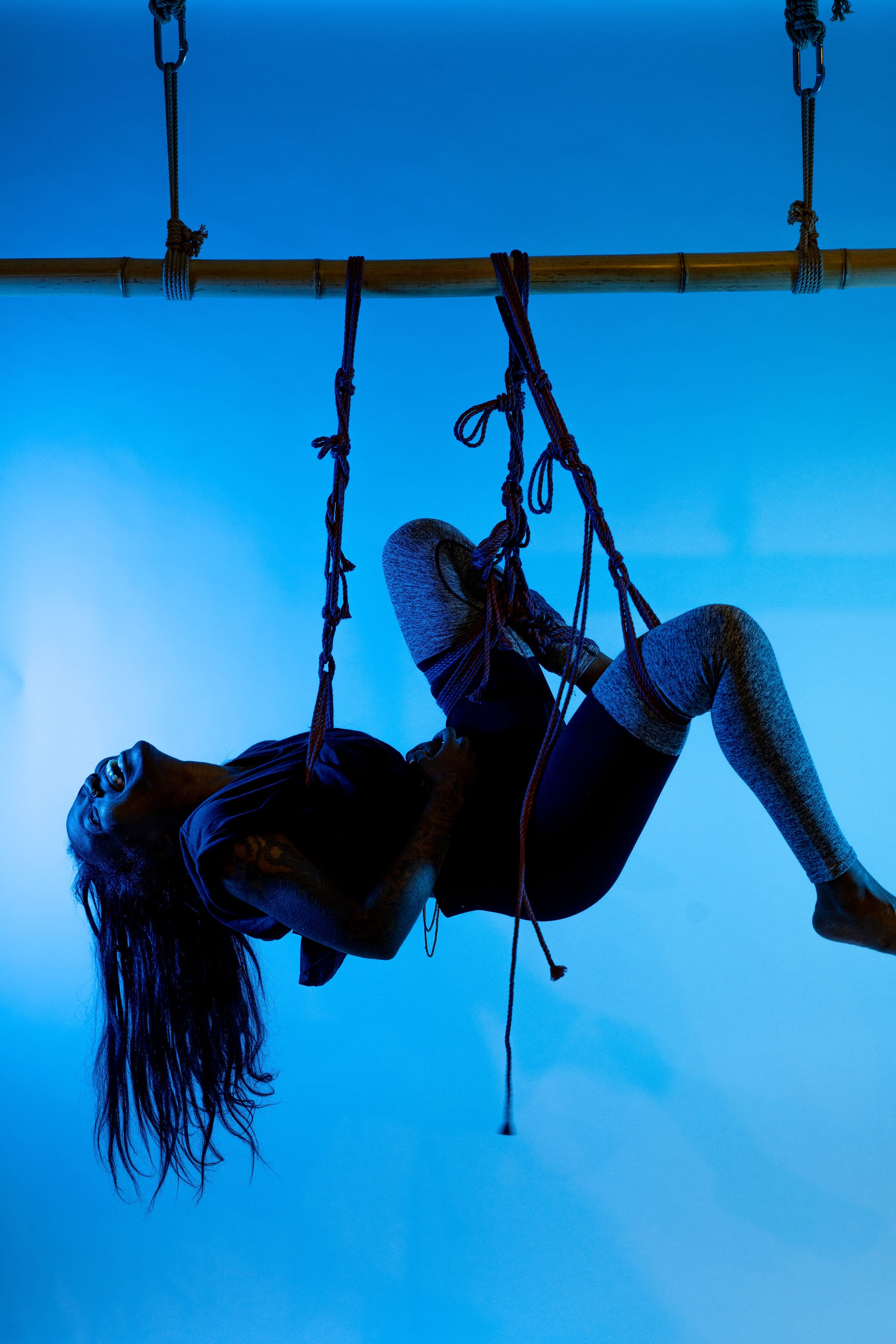
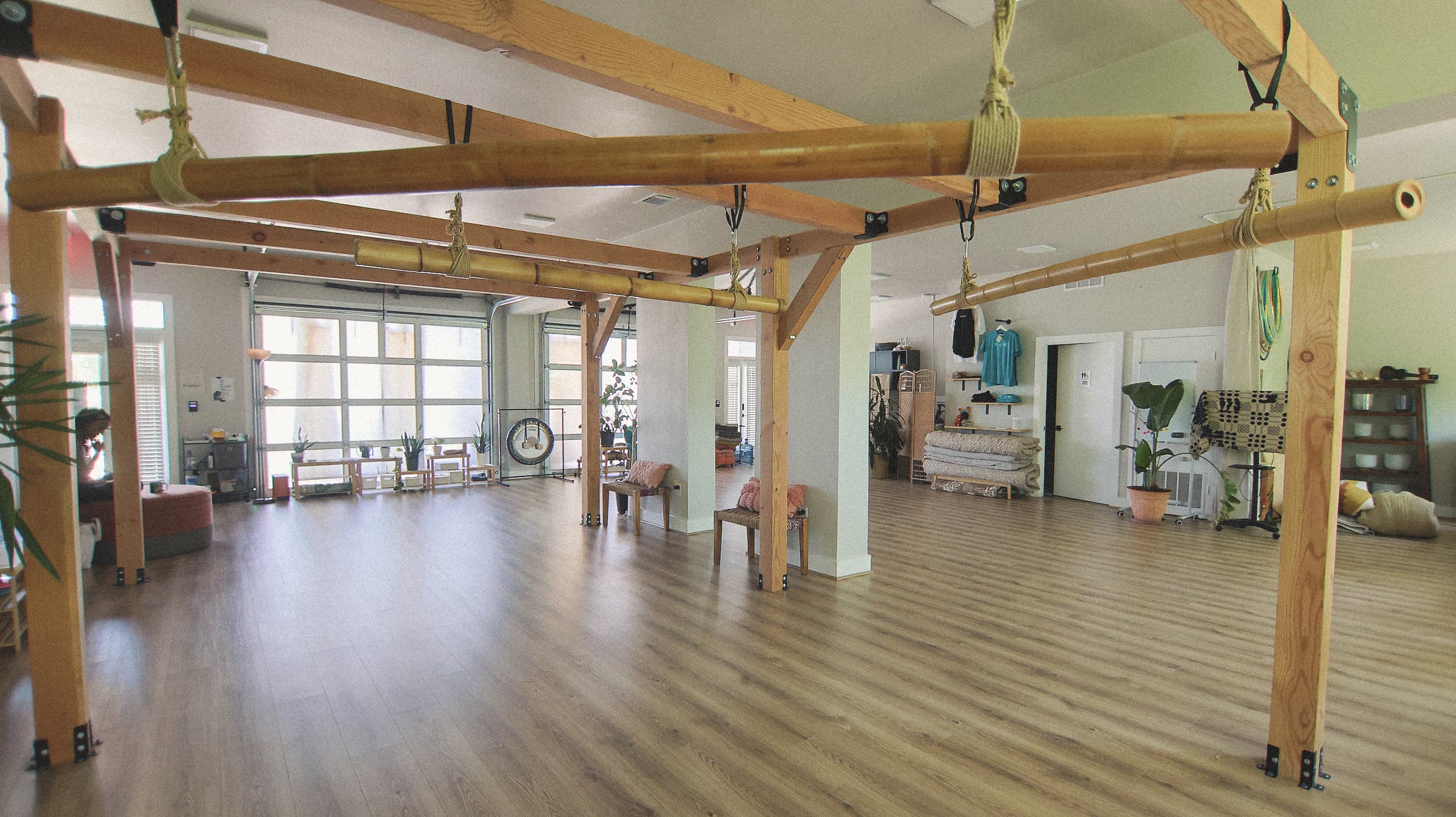
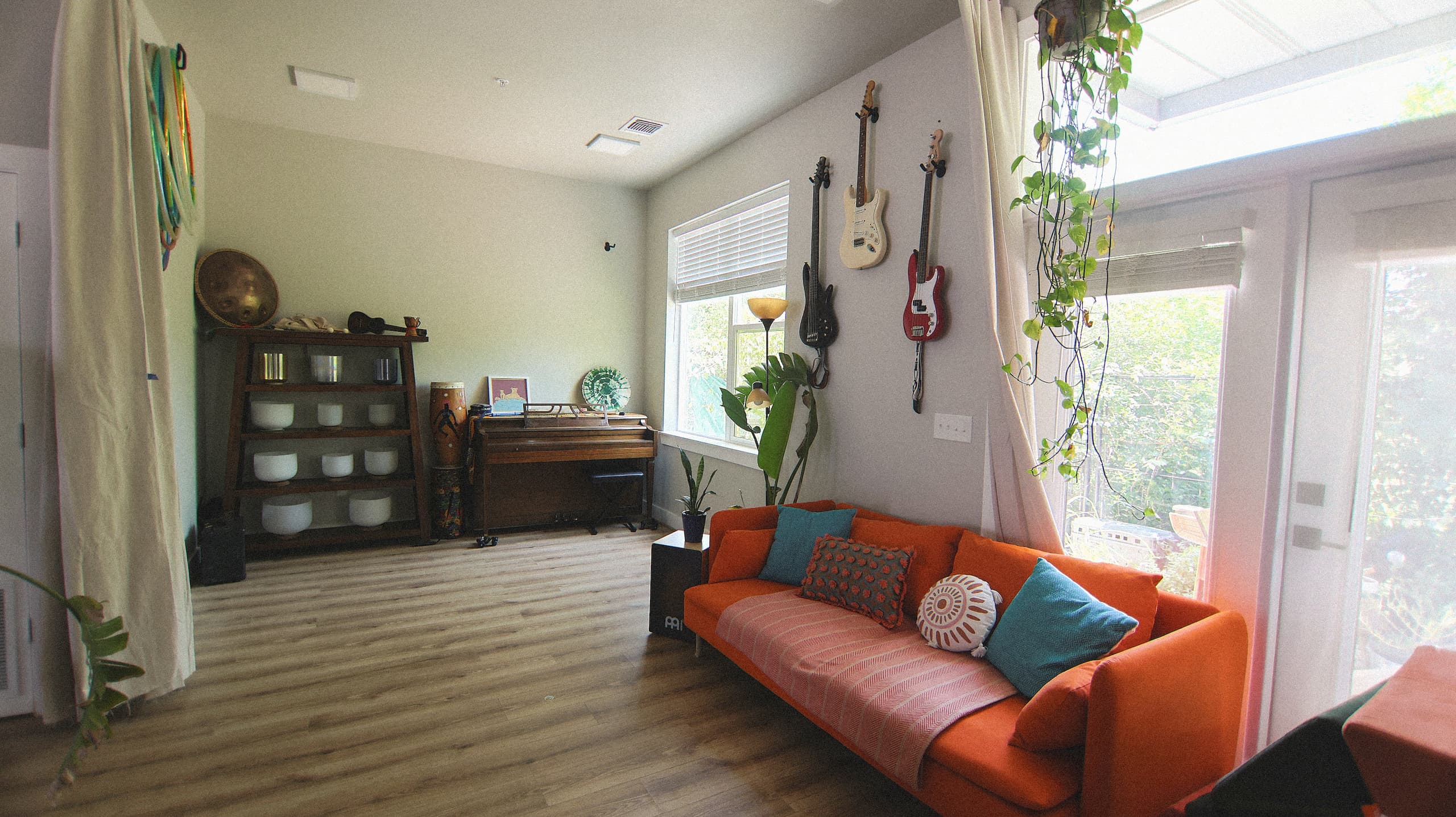
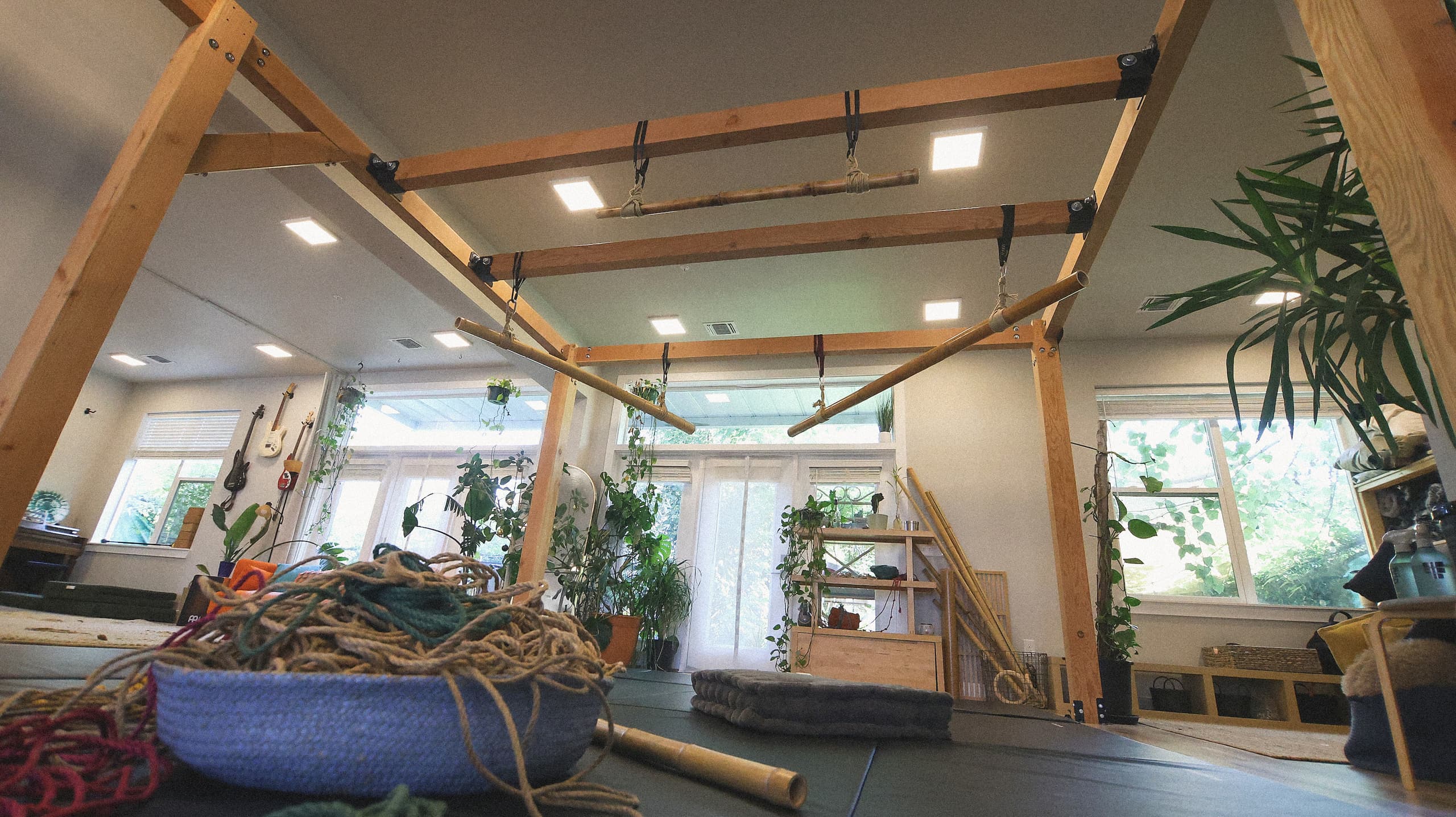
Est. 2017 in Oakland, California, VoxBody Studio is the Bay Area’s only rope-dedicated studio: a safe(r) space for rope & kink education, art and community!
Trusted rope spaces in active relationship with Shibari Study.



Studio Partnership isn't a one-time badge. We are in active conversation, collaborating to strengthen the bridge between online education and in-person rope communities.
Our partners actively cultivate learning environments where consent is practiced, not assumed. Boundaries, feedback and communication are valued.
Our partners prioritize safe(r) practices, including regular equipment checks, first aid training, and clear communication around potential hazards.
Studio Partners maintain clear community expectations and visible pathways for feedback. They are responsive spaces - open to dialogue and committed to repair when needed.
Studio Partnership isn't a one-time badge. We are in active conversation, collaborating to strengthen the bridge between online education and in-person rope communities.
Our partners actively cultivate learning environments where consent is practiced, not assumed. Boundaries, feedback and communication are valued.
Our partners prioritize safe(r) practices, including regular equipment checks, first aid training, and clear communication around potential hazards.
Studio Partners maintain clear community expectations and visible pathways for feedback. They are responsive spaces - open to dialogue and committed to repair when needed.
Studio Partnership isn't a one-time badge. We are in active conversation, collaborating to strengthen the bridge between online education and in-person rope communities.
Our partners actively cultivate learning environments where consent is practiced, not assumed. Boundaries, feedback and communication are valued.
Our partners prioritize safe(r) practices, including regular equipment checks, first aid training, and clear communication around potential hazards.
Studio Partners maintain clear community expectations and visible pathways for feedback. They are responsive spaces - open to dialogue and committed to repair when needed.
Oakland, United States
Est. 2017 in Oakland, California, VoxBody Studio is the Bay Area’s only rope-dedicated studio: a safe(r) space for rope & kink education, art and community!
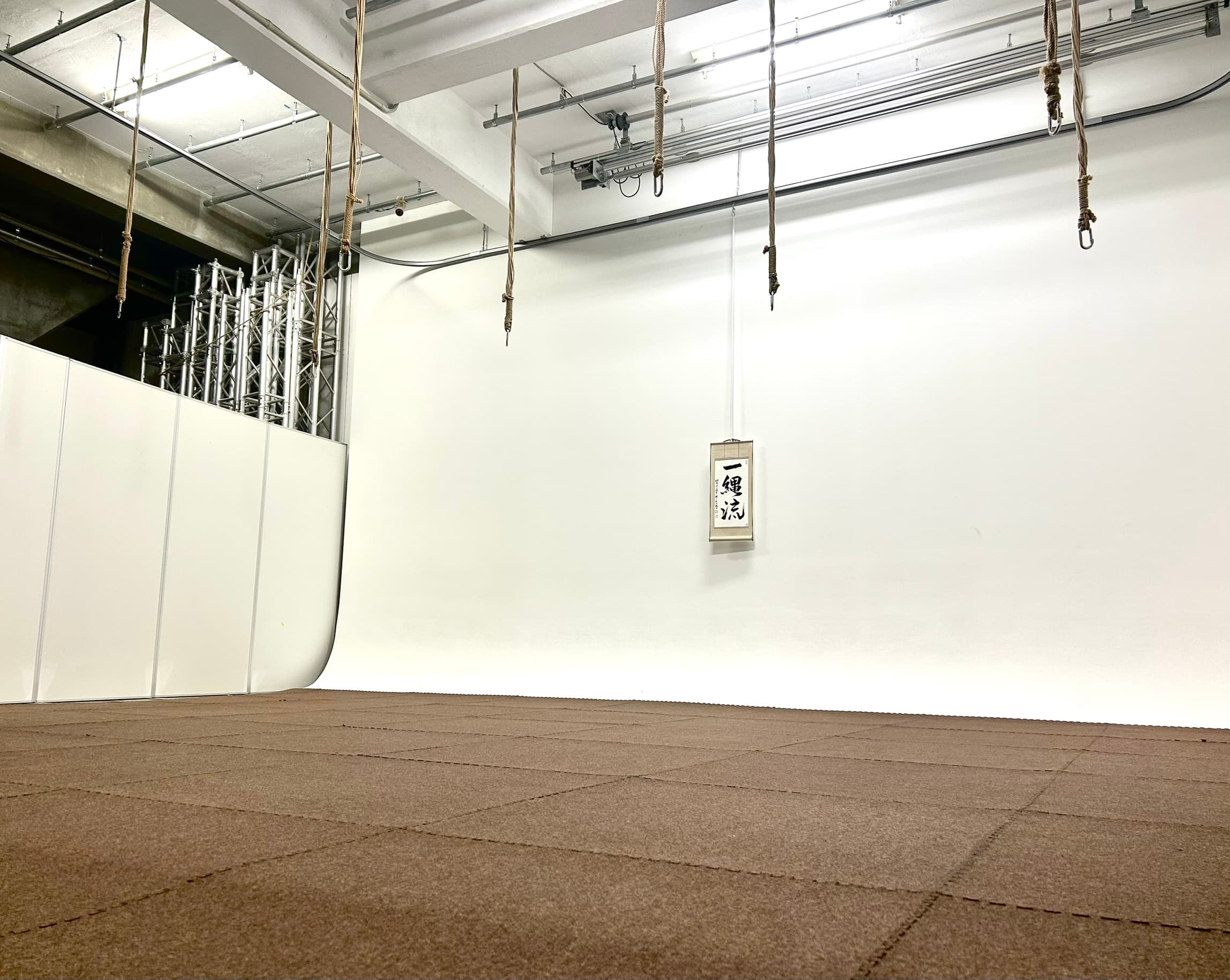

Tokyo, Japan
Organizer Hajime Kinoko (may be absent), vice-chair ZIMA, and several other instructors conduct school lessons for a large number of students with a focus on safety as the top priority.

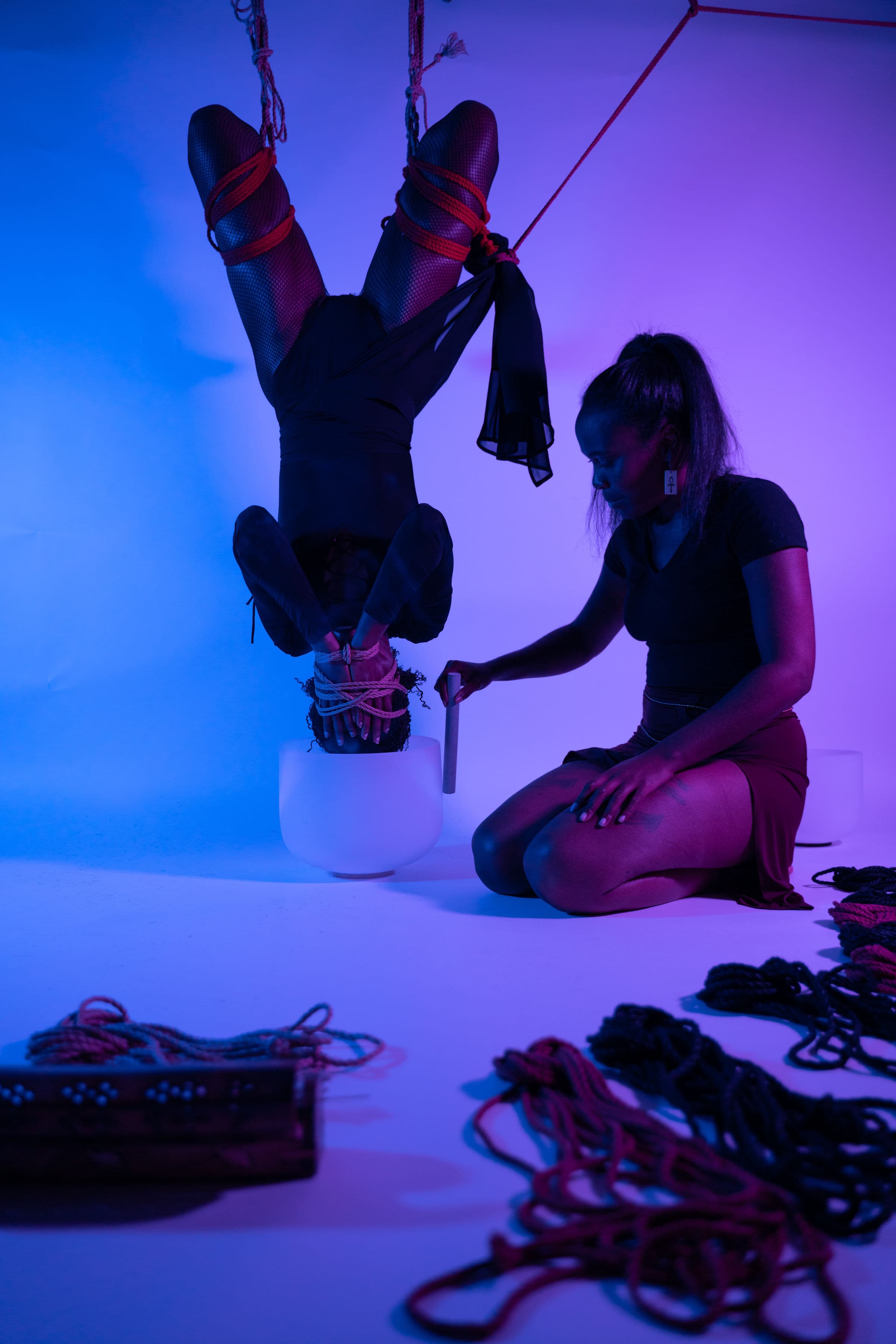
Austin, United States
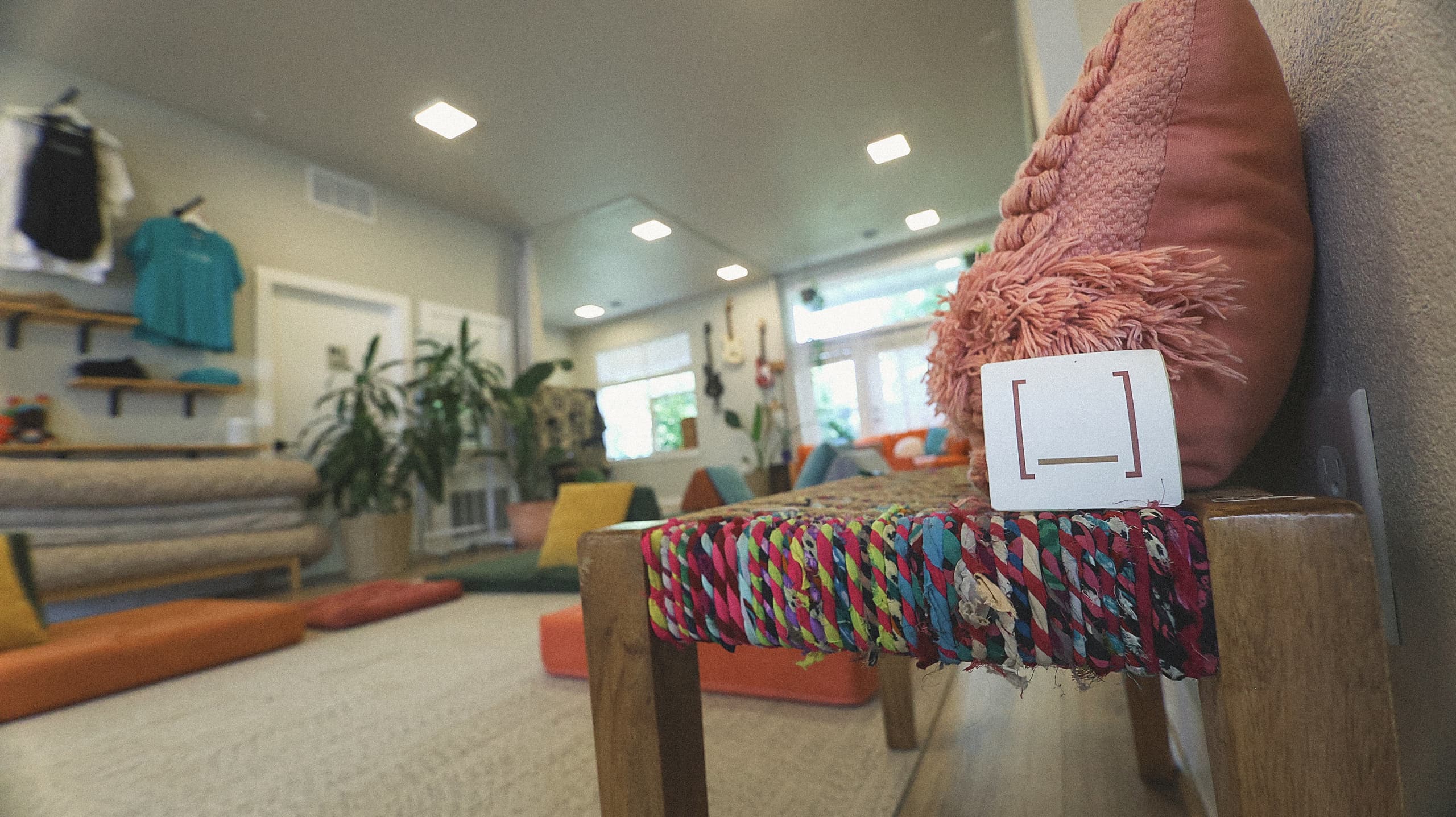
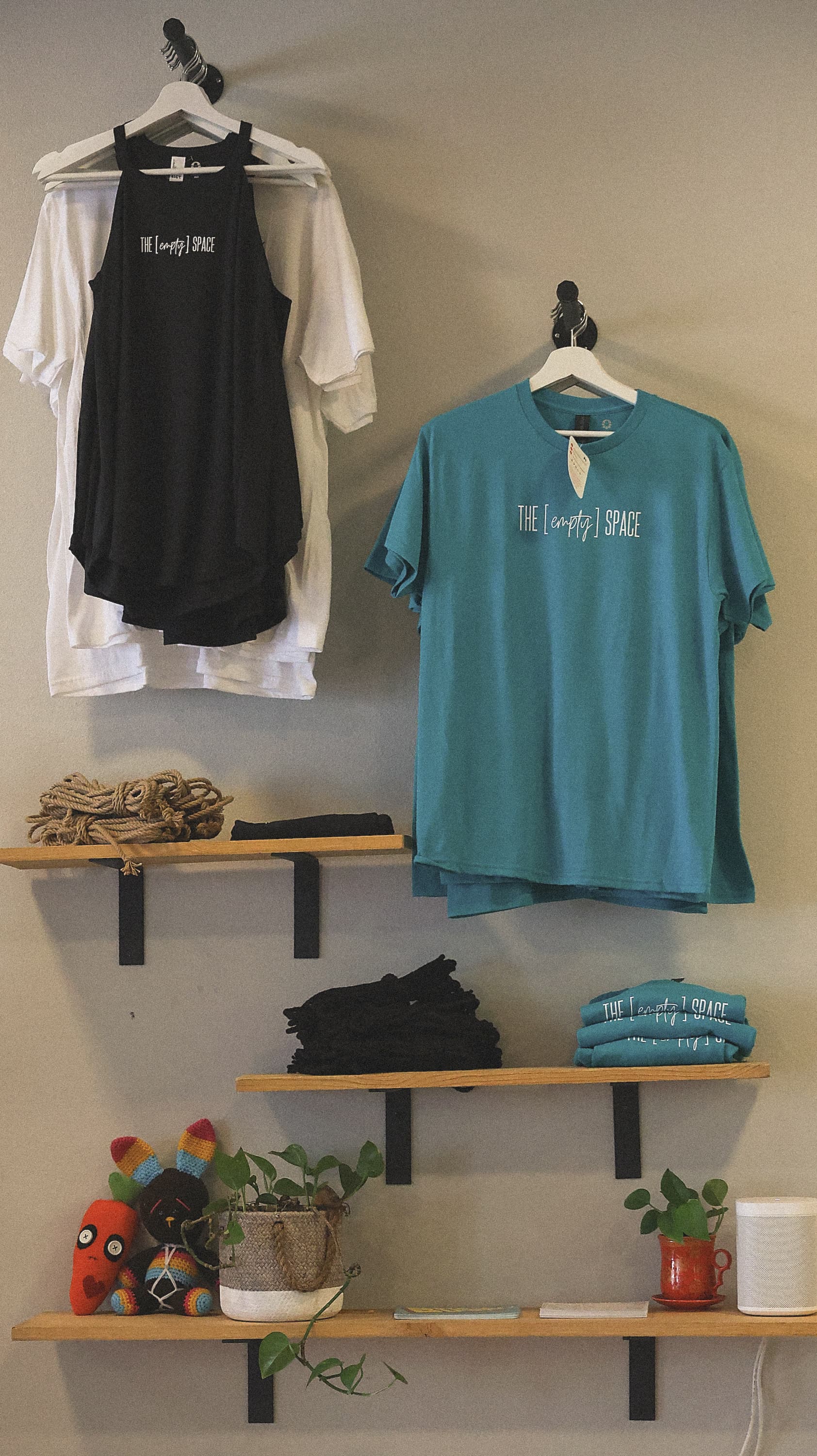
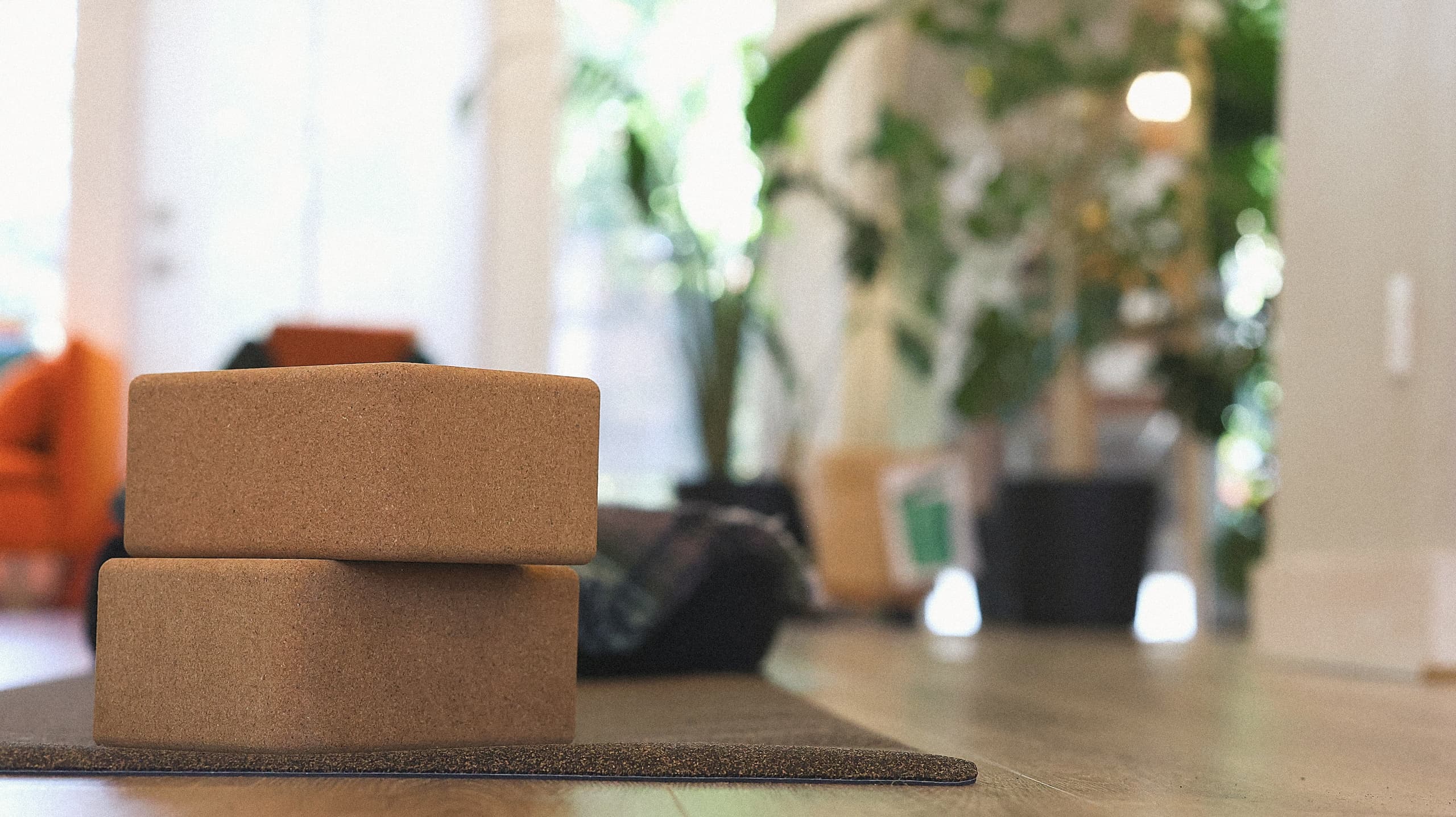
The [_] Space is a queer, femme, POC-owned rope and BDSM education studio rooted in exploring the many forms of intimacy. In this space, we grow intentionally engage with vulnerability as a practice.
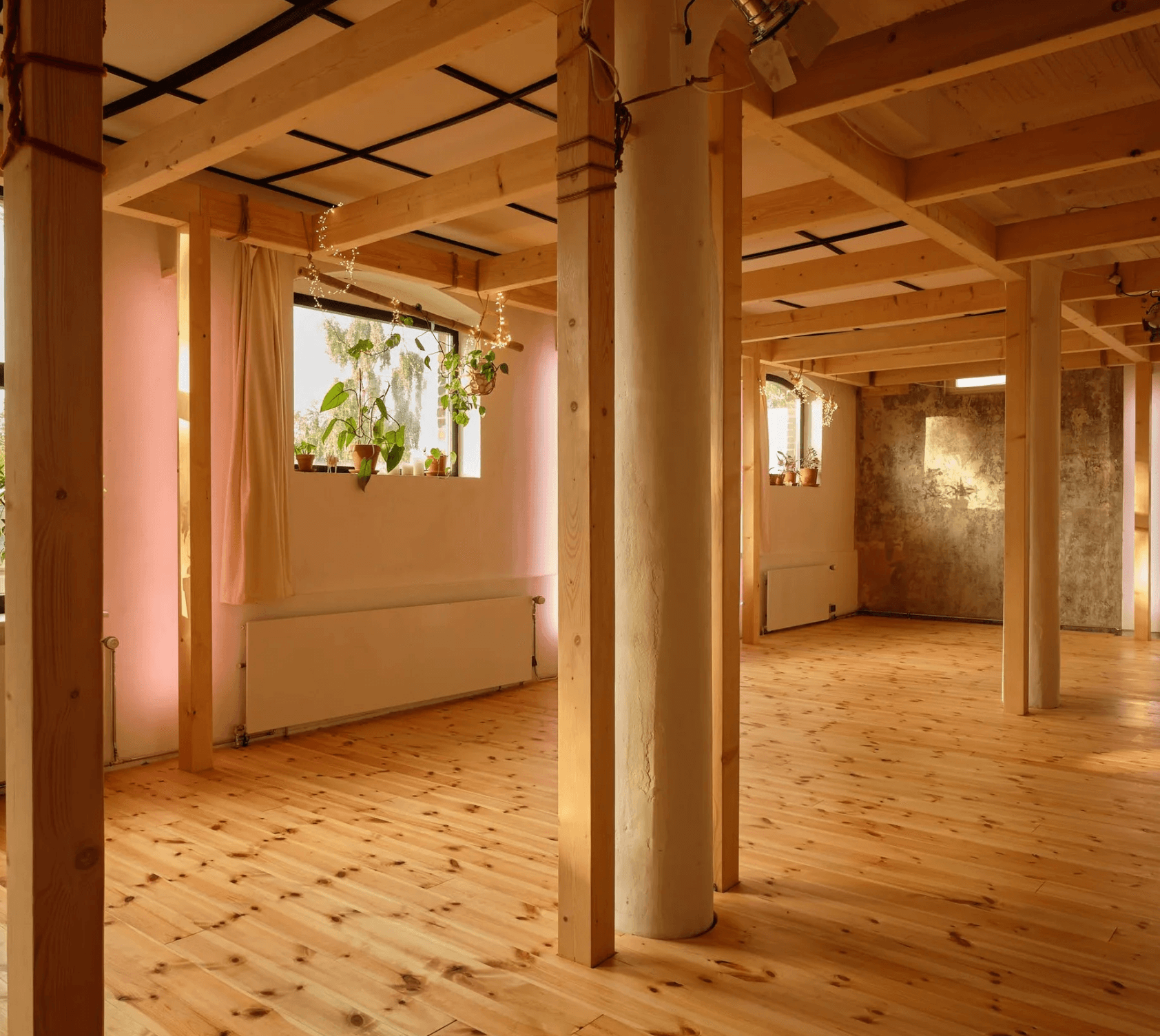
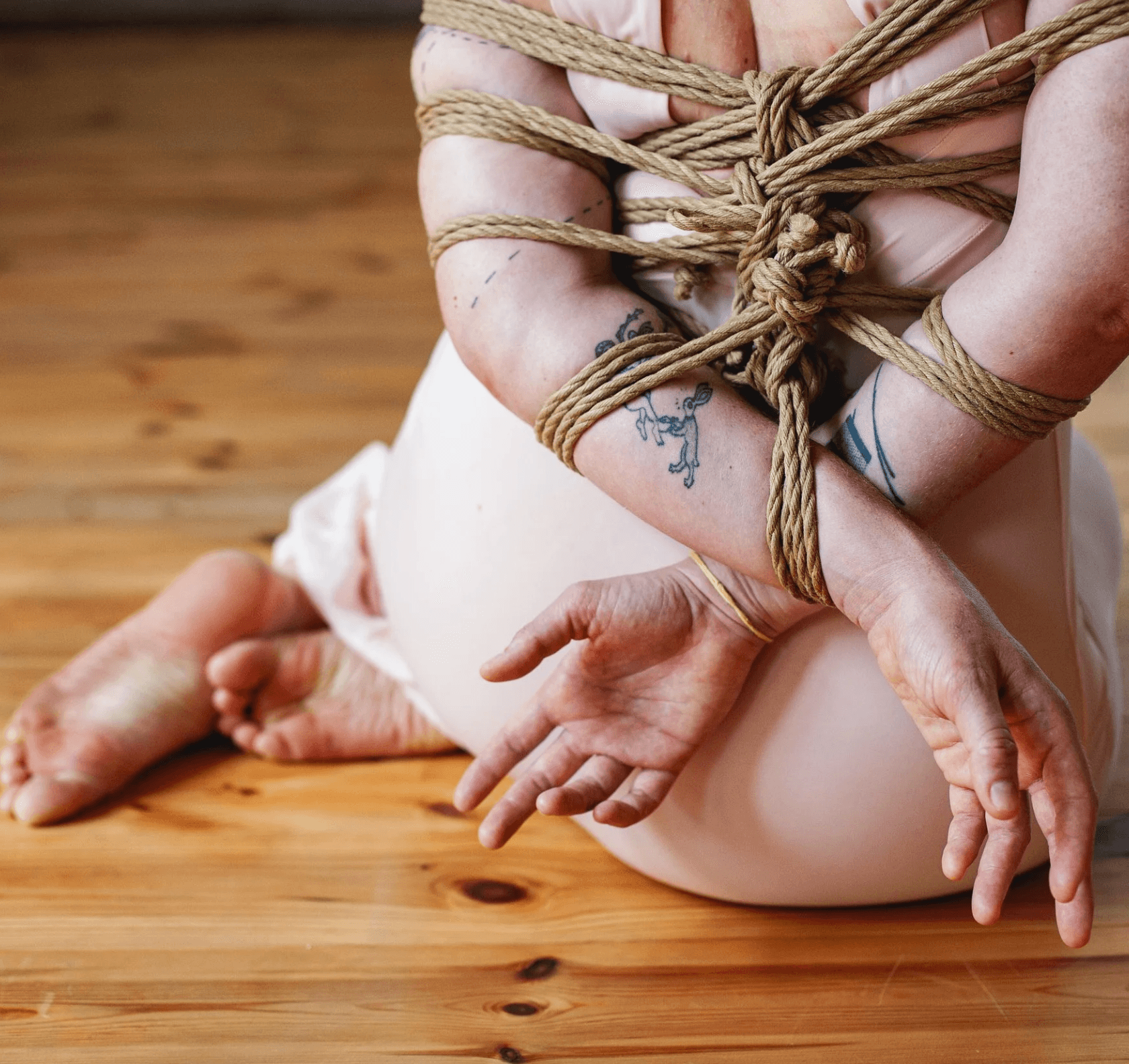
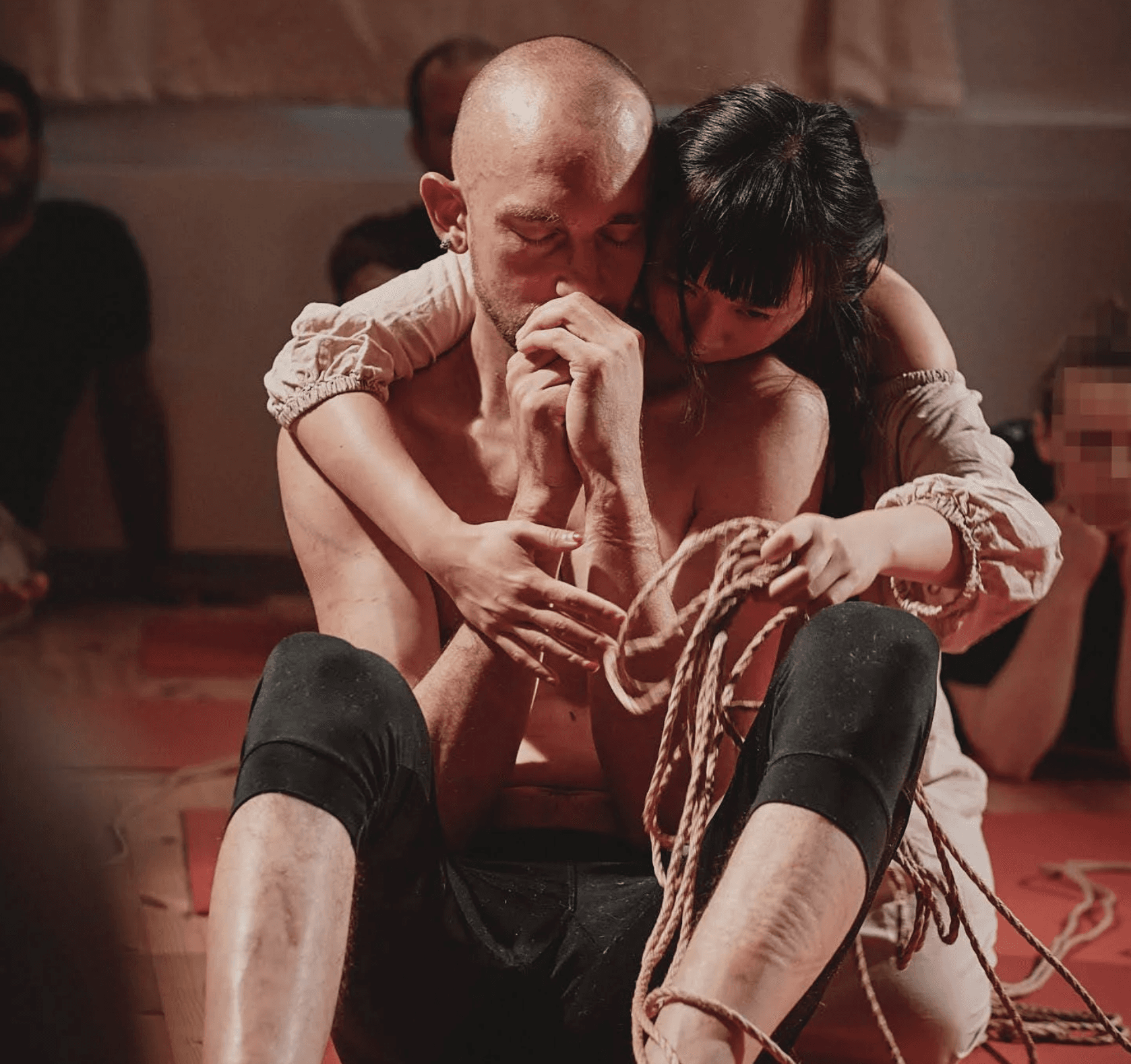
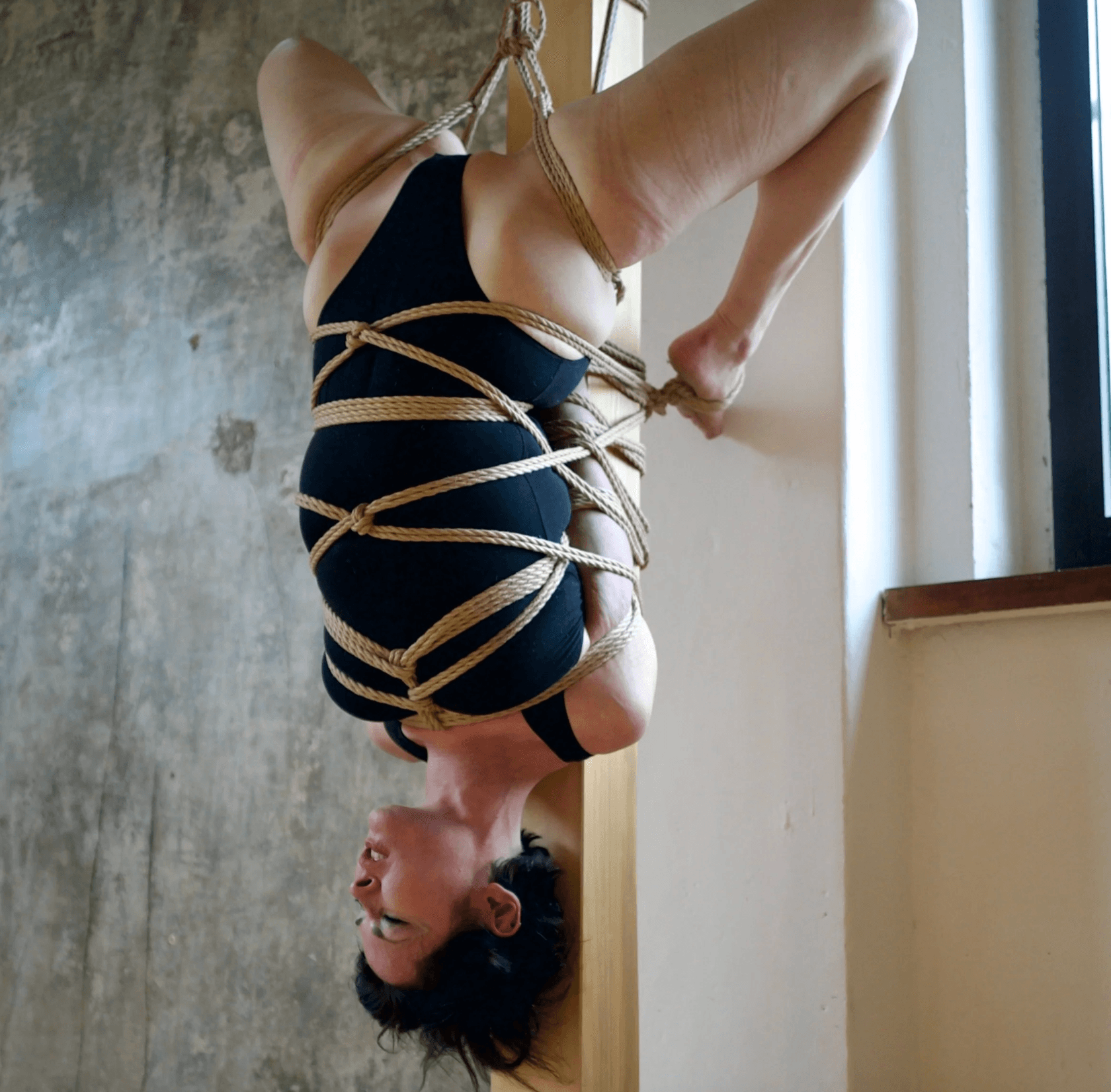
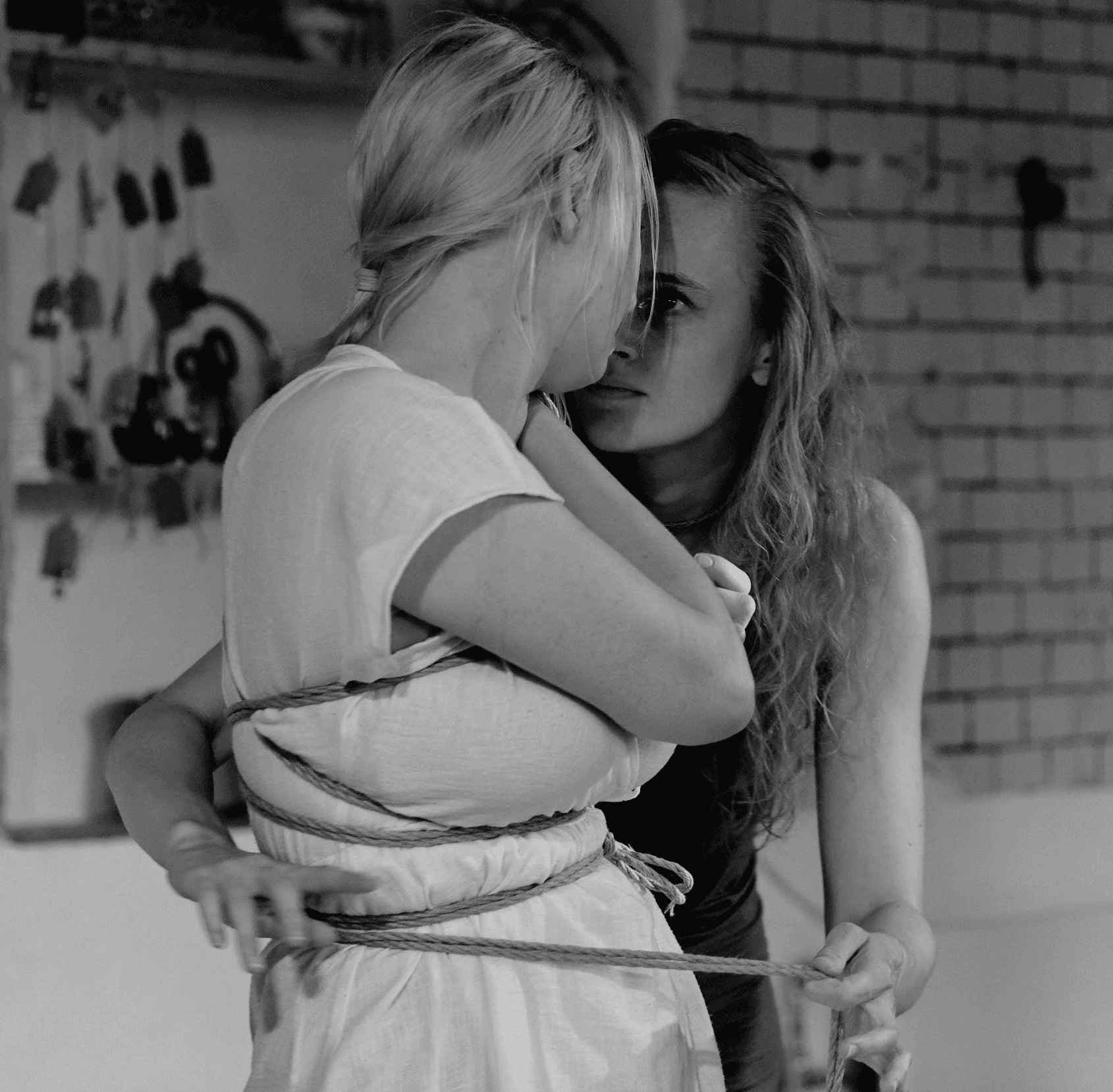
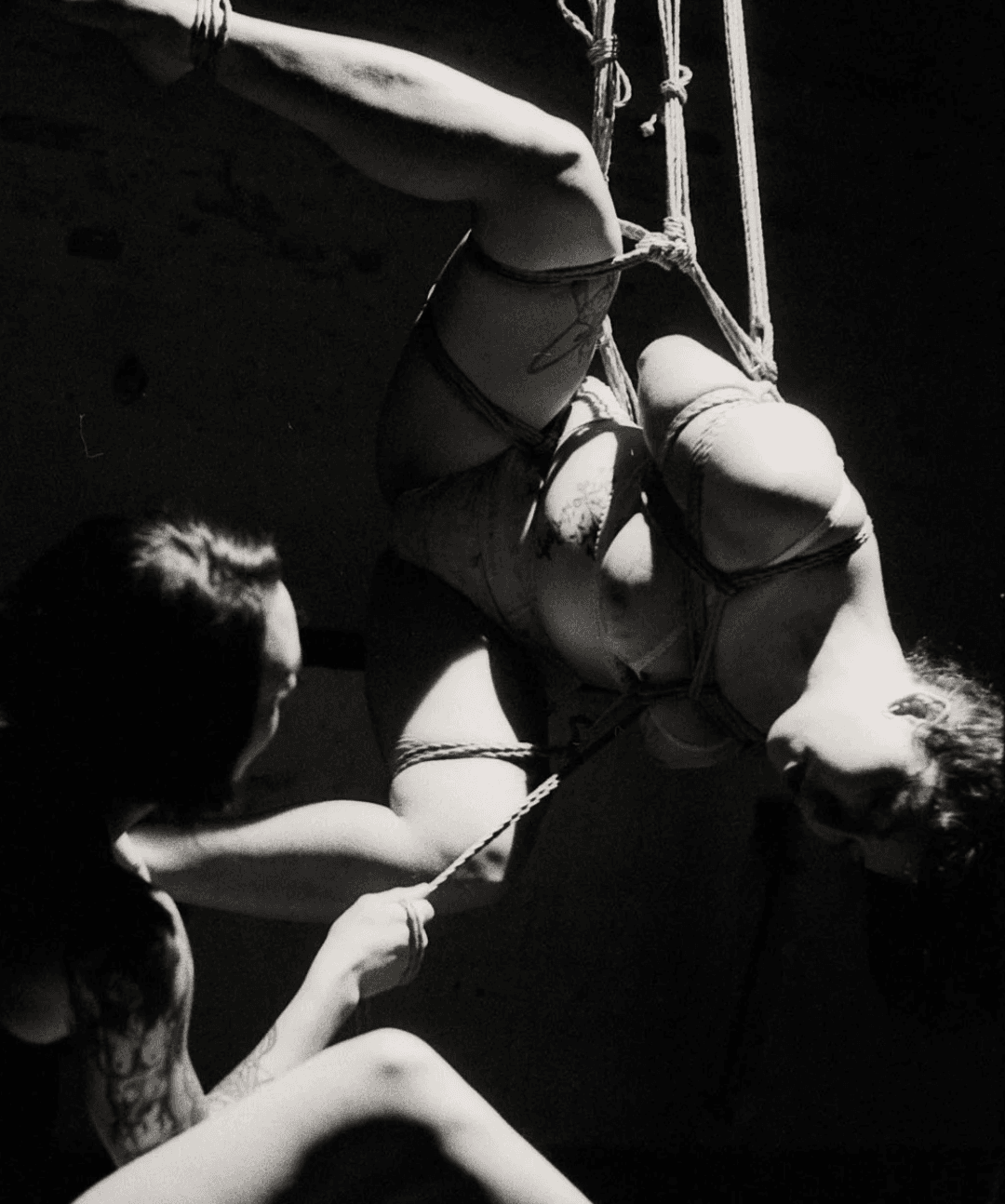

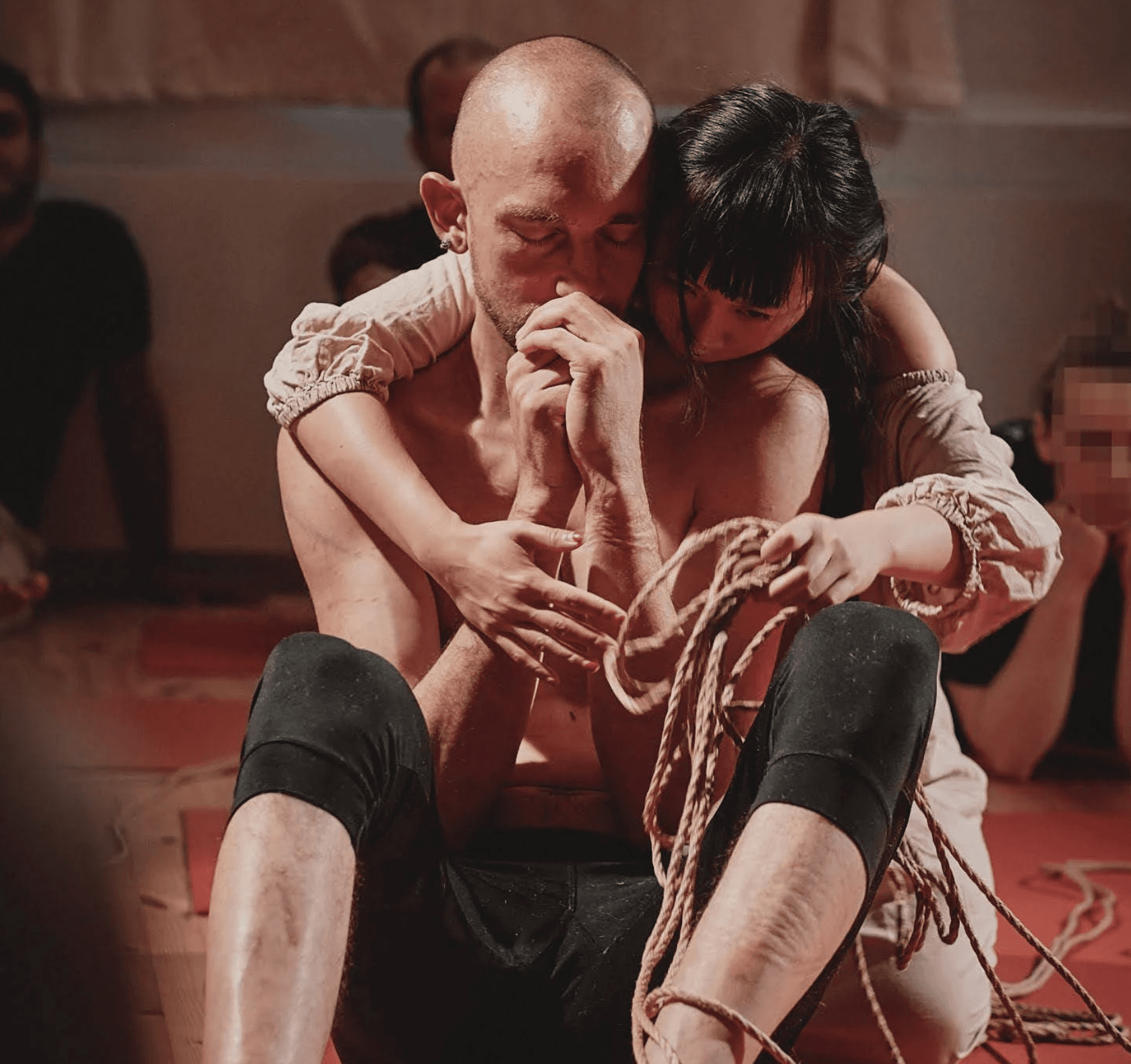
Berlin, Germany
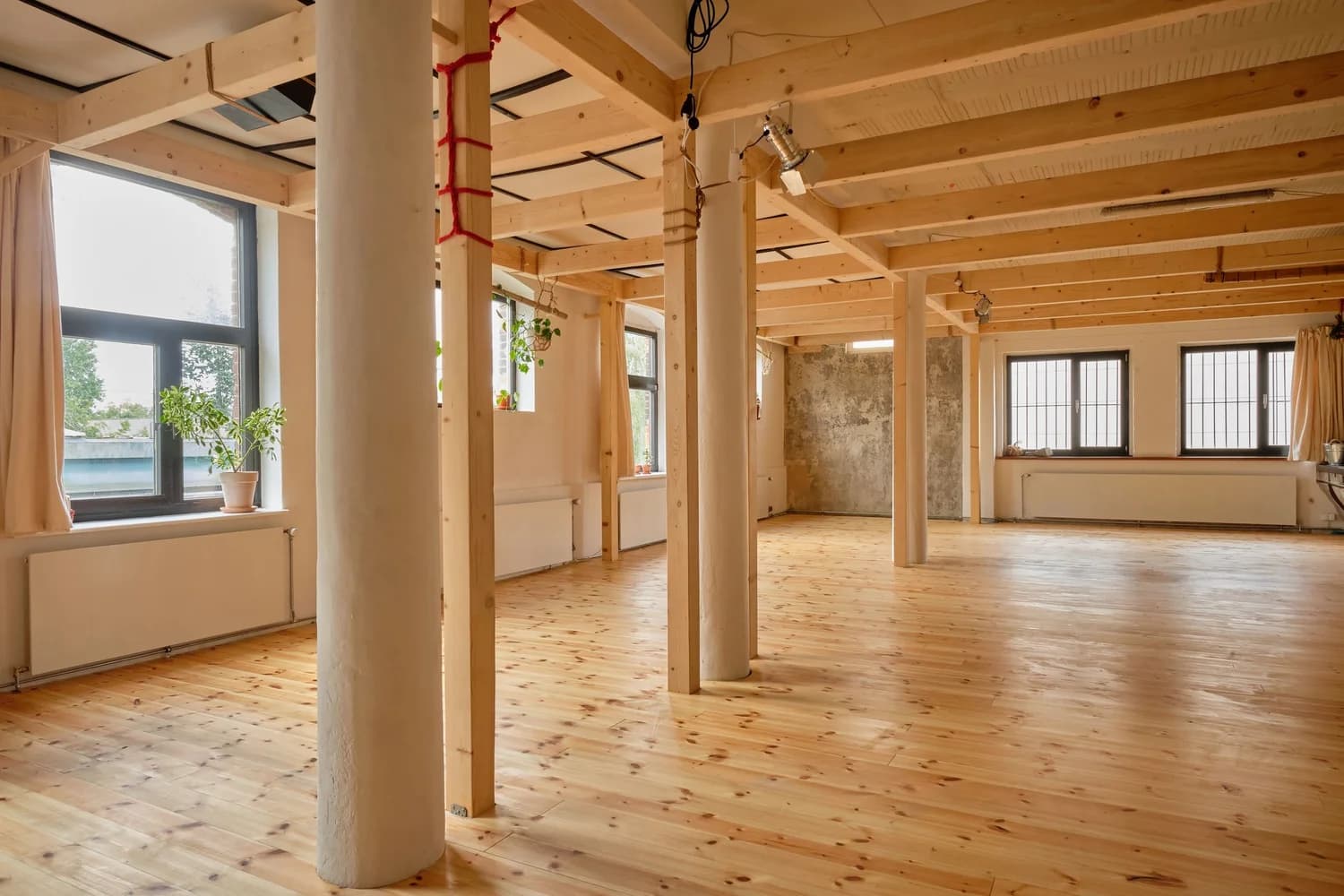
Daruma is a Berlin-based shibari space that offers shibari classes and community events, and aims to foster a high level of technical skill in an approachable learning atmosphere.

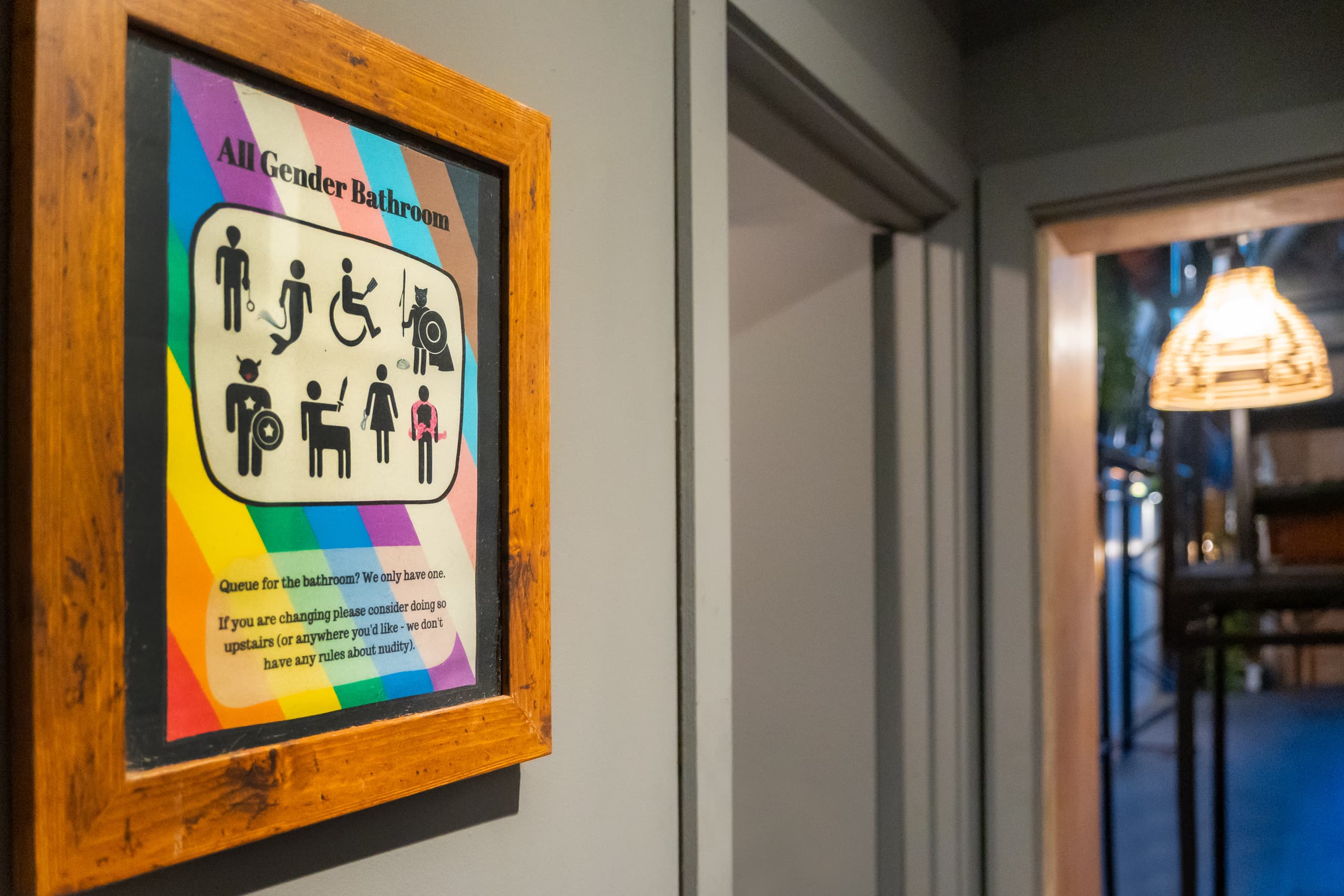
London, United Kingdom
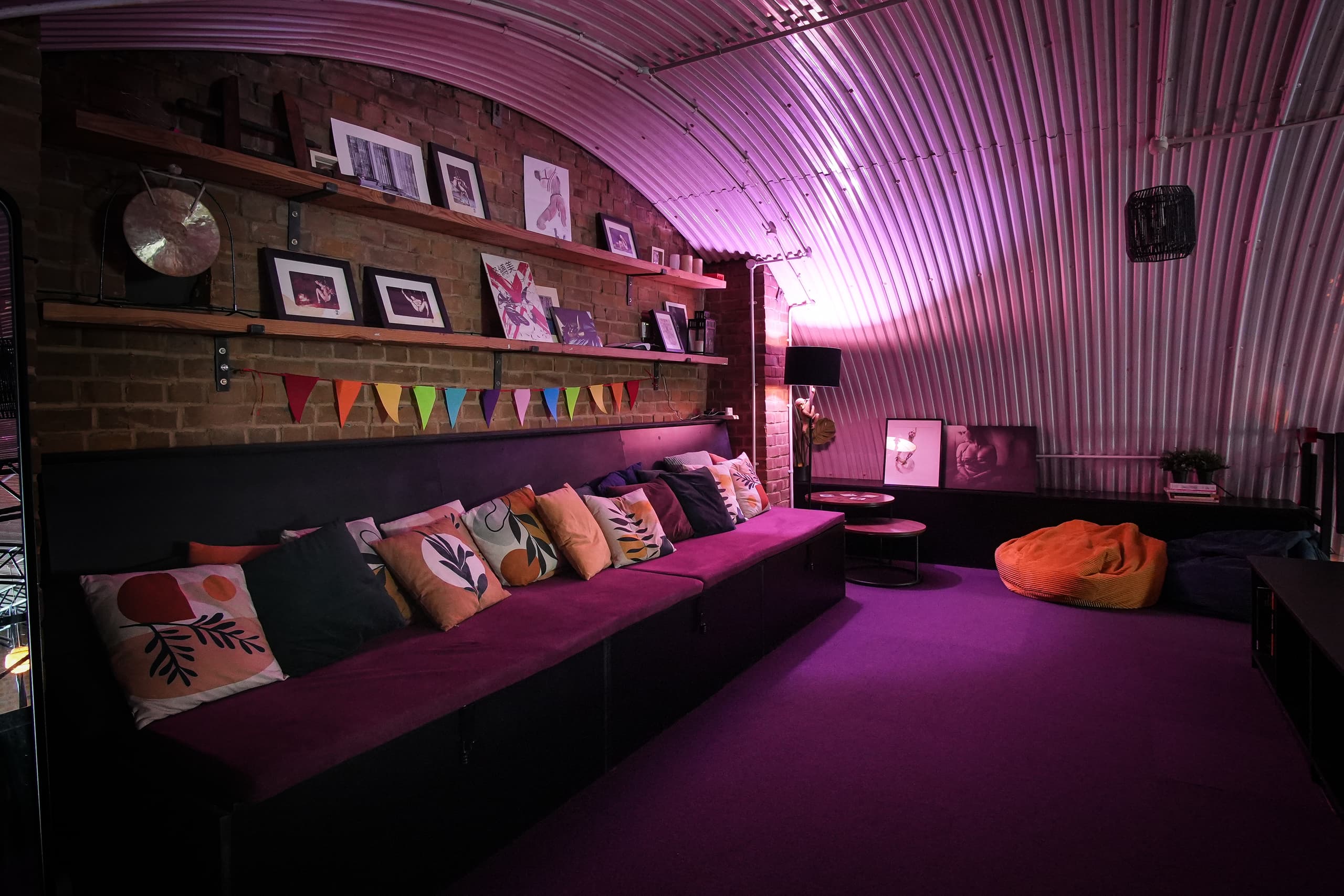
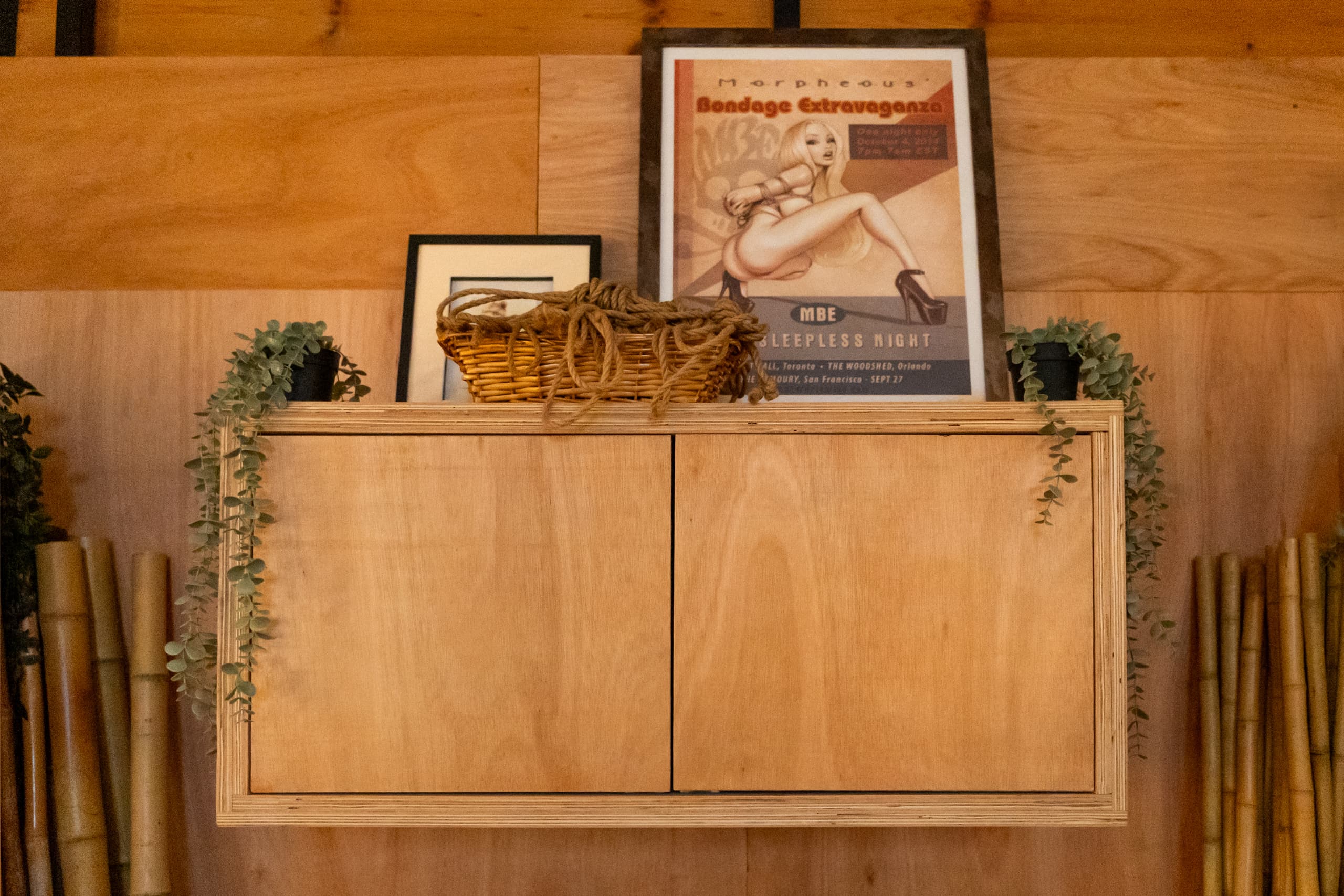
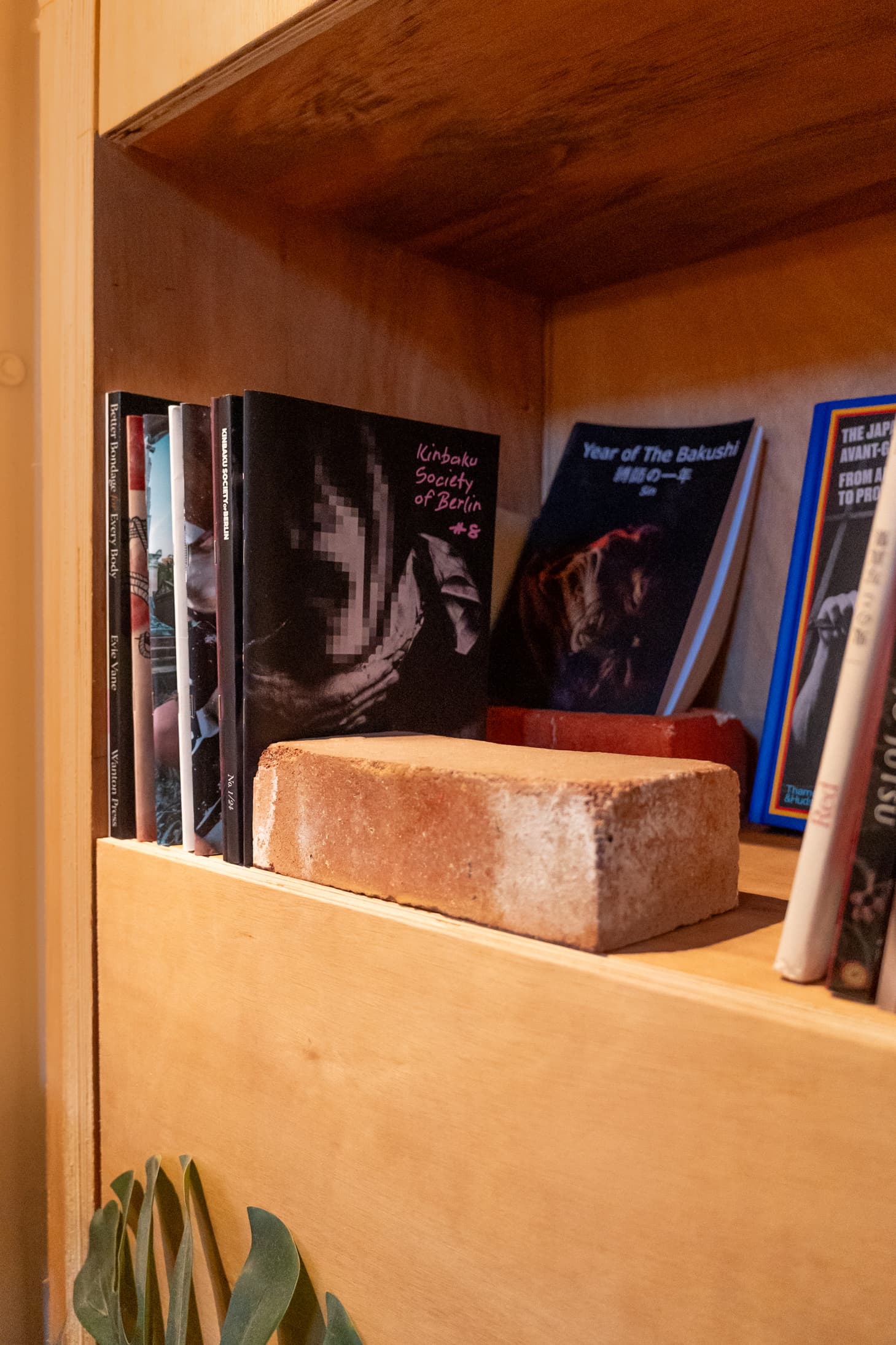
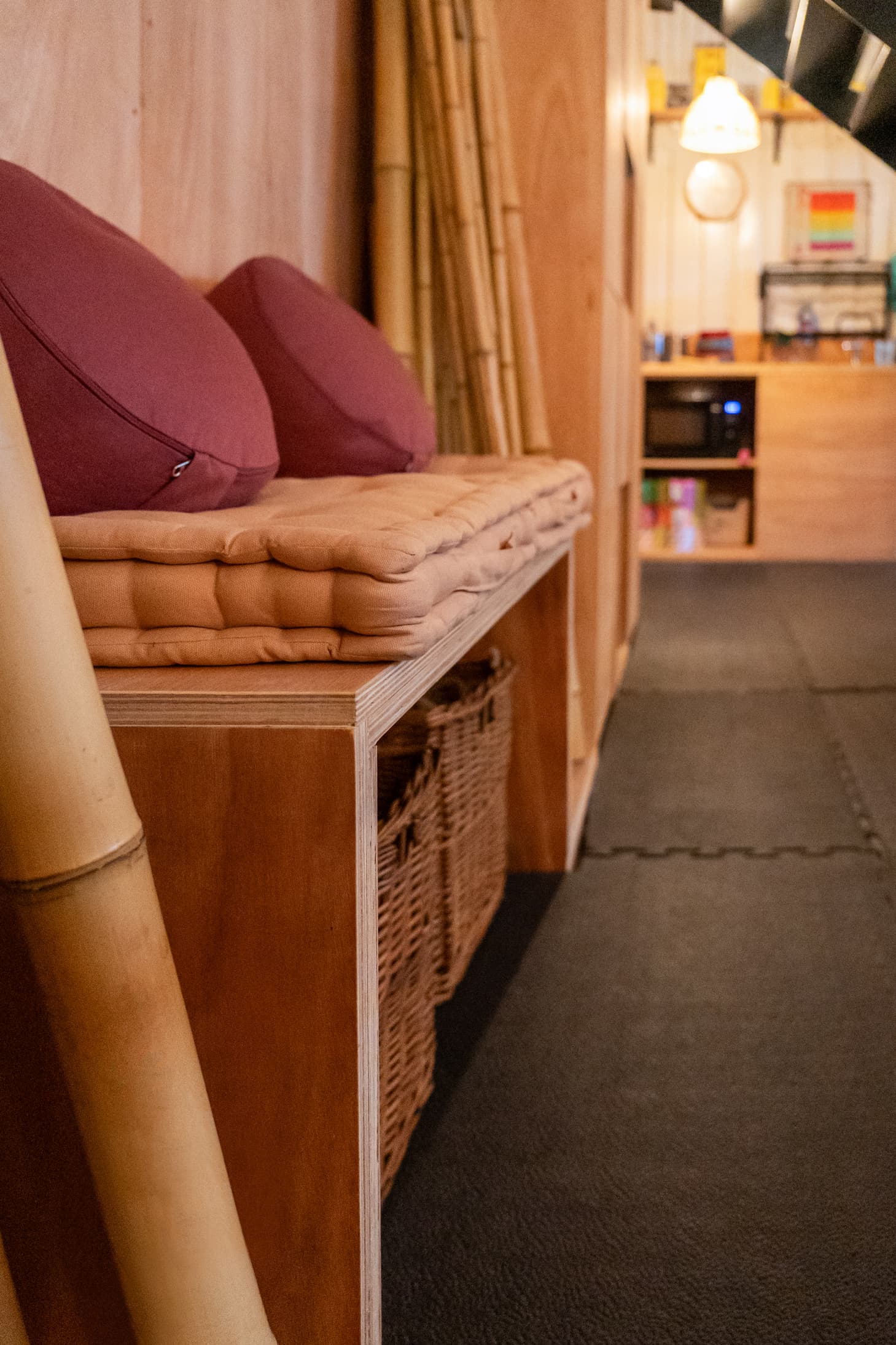
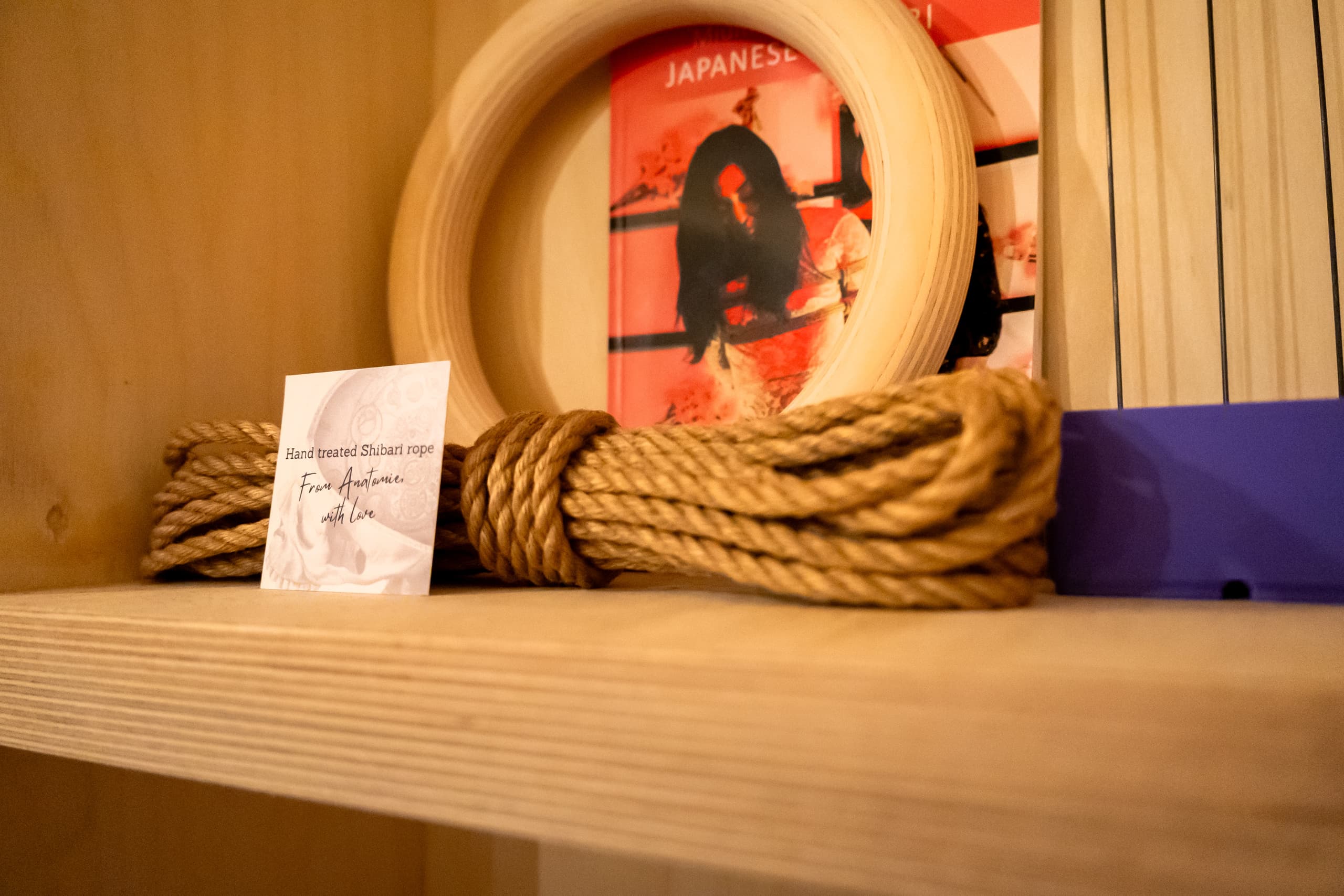
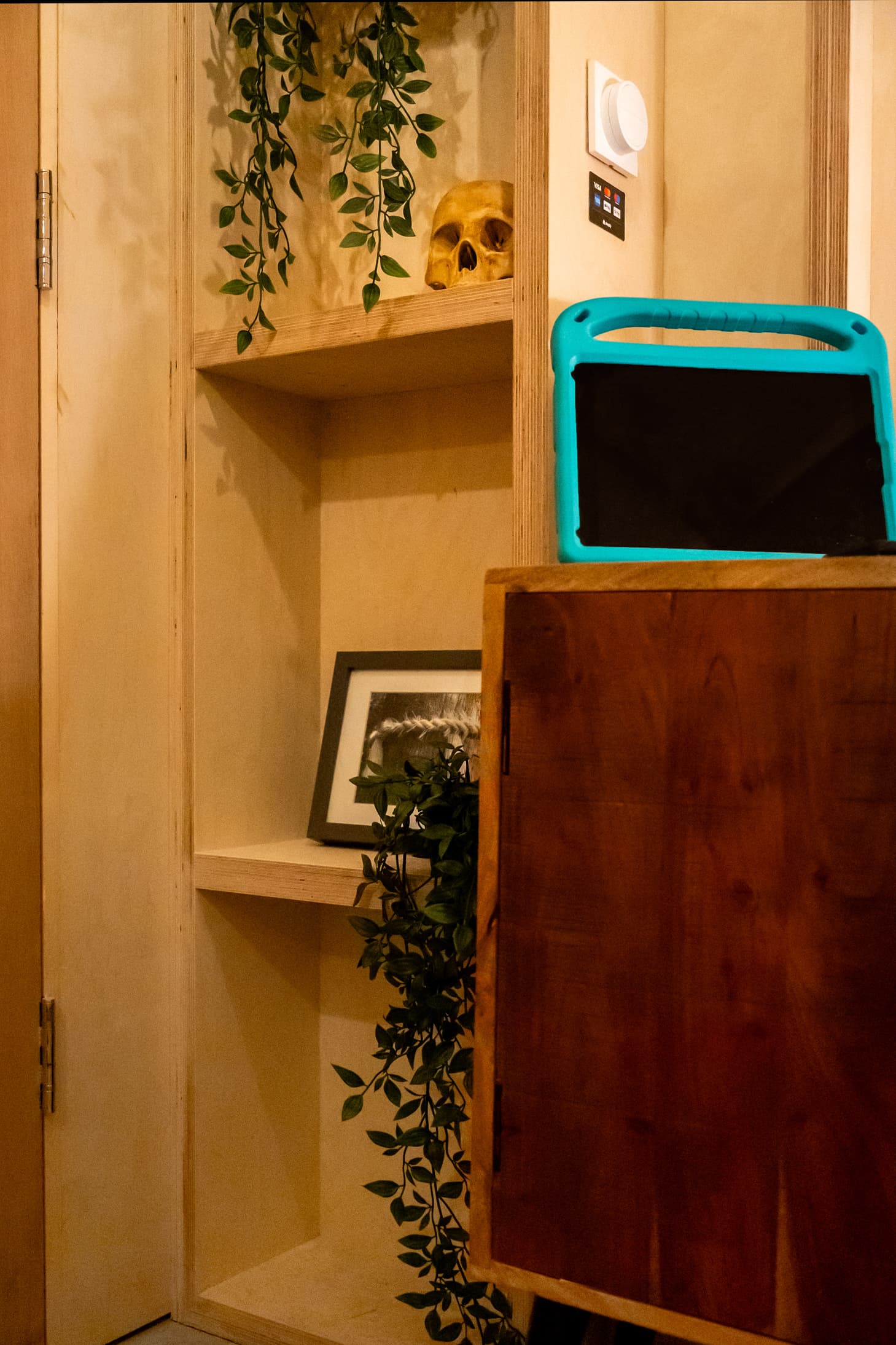
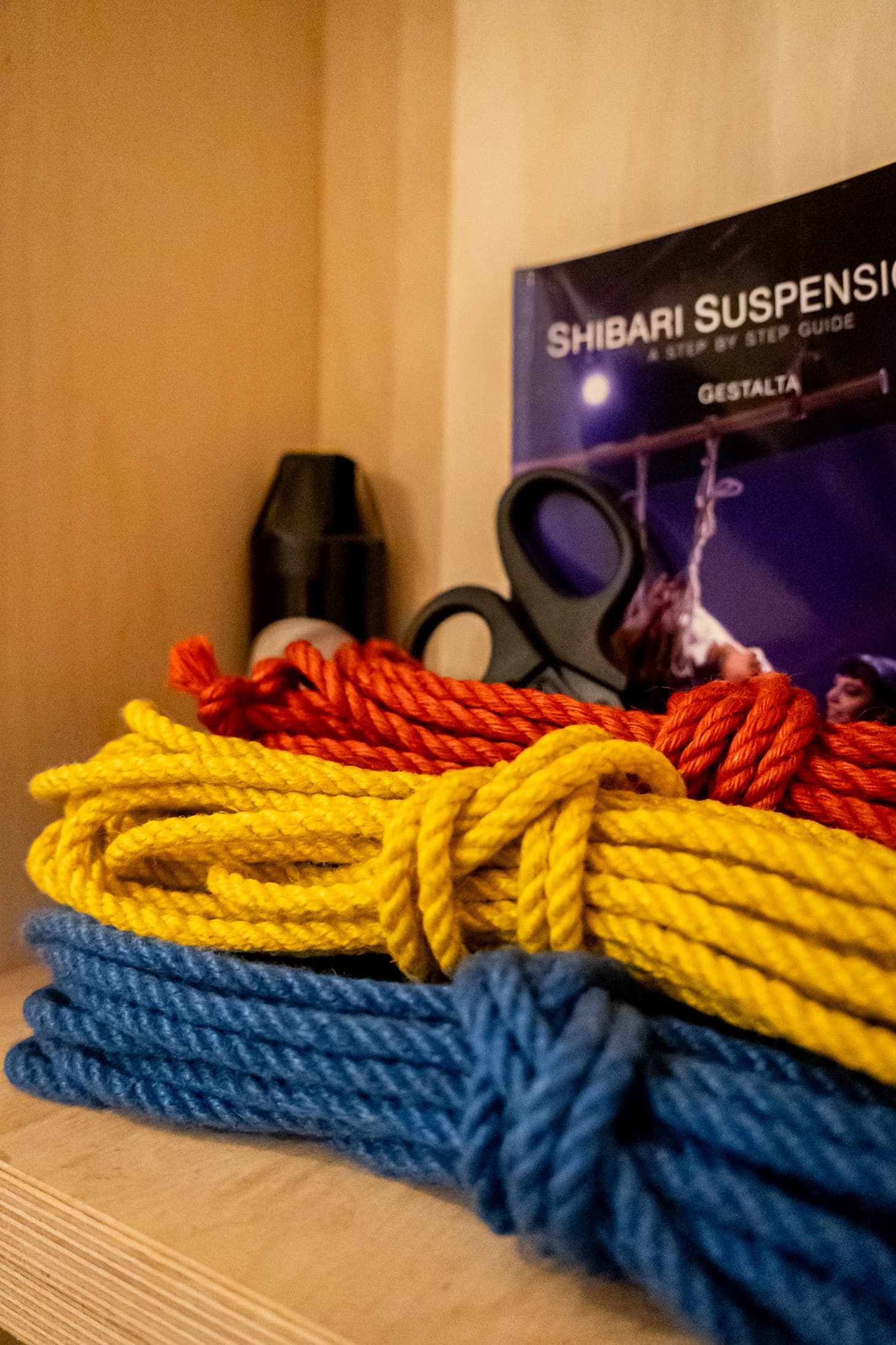
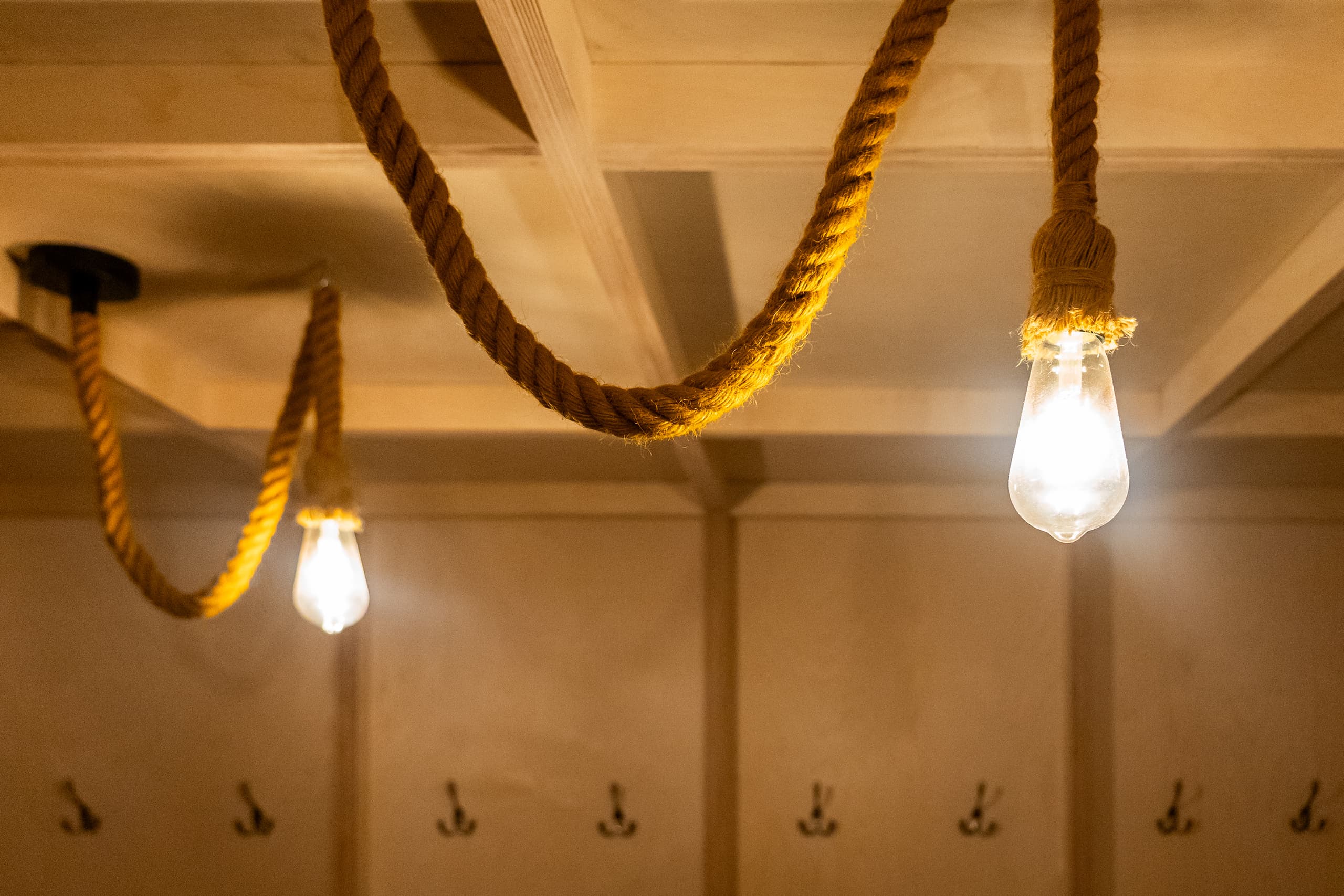
Operating since 2015, Anatomie Studio is the UK’s first full-time shibari educational space – offering a consent-focused venue for learning and practicing shibari – or Japanese Rope Bondage.
Studio Partnership isn’t a checklist we run once and forget. It starts with a series of real conversations - usually spanning months, sometimes over a year - between the studio and people we already trust deeply. We started by launching this program with some of our longest-standing relationships; instructors who teach curriculum on Shibari Study itself.
Those conversations cover the same three things we ask of every partner, and will keep asking:
How does the space actually practice consent day to day - not just state it? We talk through how boundaries are negotiated, how bottoms are checked in with, and how a “no” or a “stop” is handled in the room.
We talk through equipment care, first aid readiness, and how the space handles physical risk - including how they’ve responded when something has gone wrong. A space that’s never had an incident tells us less than a space that can describe exactly how it handled one.
Does the space have a real, visible way for students to give feedback? Have they responded to it? We’re less interested in a perfect track record than in whether a space is honest, responsive, and willing to repair when something’s off.
These conversations aren’t a one-time interview - they continue for as long as the partnership does. Being a Partner means we’re in ongoing dialogue with a space, not that we checked a box eighteen months ago and moved on.
Partnership isn’t a guarantee. We can’t observe every class or verify every interaction, and no vetting process can promise a space will always get it right. What it does mean is that we’ve had sustained, direct conversations with people we trust about how that space actually operates - and that we keep having them.
If you ever have a firsthand concern about a Partner studio, please tell us - an active partnership doesn’t mean we stop listening.