

Shibari Study Support

Berlin, Germany

01 Dec 17:47

Thanks for this suggestion! We’ll add it to our list of user suggestions that we consult before planning productions :)

01 Dec 17:46

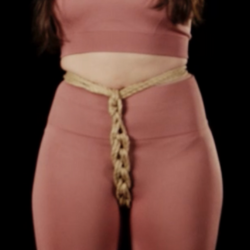
Hi! You’re right, that’s tricky to see. Most likely she’s just tied a single column tie around the waist using just one wrap rather than two. 

Replied on L-Friction

25 Nov 14:59

And then remember that aesthetics matter a lot too and sometimes what you’ll see in a pattern is there because the person who developed that pattern liked the way that friction looked or liked how it flowed to tie it that specific way. Right now you’re looking at these frictions as stand alone building blocks, but as you start to see them popping up in patterns over and over again you’ll start to make sense of them more in context!

Reply

Replied on L-Friction

25 Nov 14:56

Great question! L frictions are often used to pull two wraps together. So you’ll see them used when there’s already a wrap above, like you see here. Notice in the X friction video that the friction is built without a wrap above. You could absolutely lock that wrap with two L frictions instead, but it would use a lot more rope and movements and probably look a bit less tidy. You can also use really big X frictions to lock two wraps together, but you might find that that’s too bulky to keep tying on top of or that it looks messier than you like. One way to think about frictions is whether or not they’re effectively binding the way you want them to. So when choosing to friction a wrap to a stem or another wrap, ask yourself if that structure is bound to the other effectively. Is the wrap bound to the stem above and below? Does it wiggle left to right or is it bound in that direction too?

Reply

25 Nov 14:45

David Sanwald It's scheduled to be released in two weeks! 

Reply

Replied on Simple Box Tie

25 Nov 14:43

Most models will find this more comfortable than feeling rope on the bony parts of the shoulder blade. Additionally, bringing the rope below the shoulder blades creates a shorter (and therefore stronger and more stable) stem. This helps to keep the wrists and arms in place where you set them. 

Reply

25 Nov 14:41

Kinoko’s Updated TK is a good place to start! If you watch through about the first 23 minutes you’ll get just the two rope pattern and then you could play a bit with some of these third rope variations. 

25 Nov 14:37

That’s so great to hear! 

Replied on Closing Options

18 Nov 21:29

Jon Doe This is such a common friction that will show up over and over again in so many things that you tie that it makes sense to practice with both hands to become a bit ambidextrous at this one!

Reply

Replied on Tengu

18 Nov 21:22

Hi Jon! If you’re worried about needing to quickly release this tie from the start of the pattern you could go back through the original wrist cuff instead of the bight!