


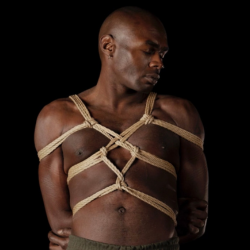

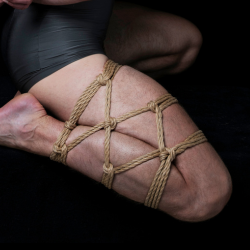
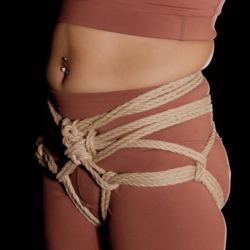
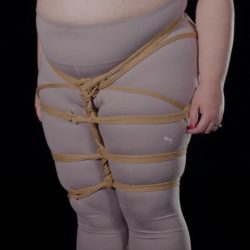

I recall the first time I really saw rope bondage, other than occasional poor representations in top shelf magazines that I probably shouldnt have seen in my youth, was in the hey-day of Tumblr around 2016.
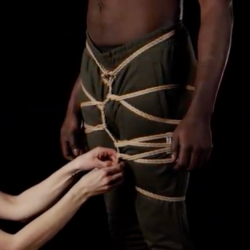
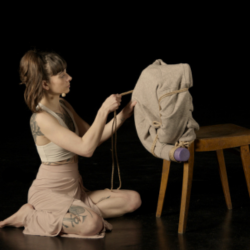
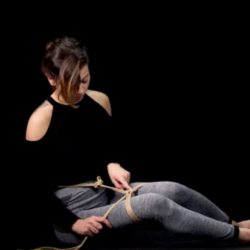
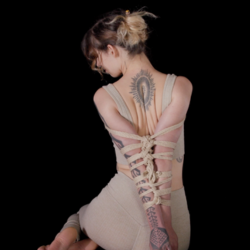
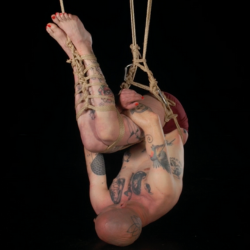
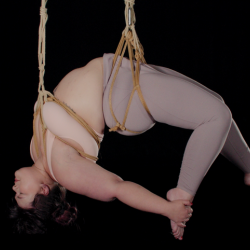
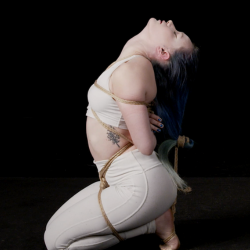
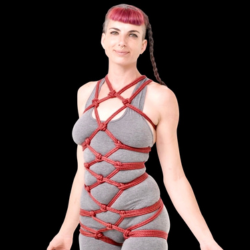
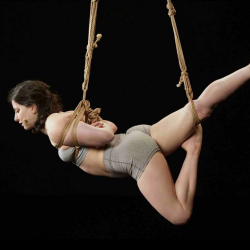
I stumbled across some images of a Kinoko series and was instantly gripped by the aesthetics of the rope struck by the contrast of colour between the red rope and the models alabaster skin. In its beauty I quickly forgot my preconceptions that bondage or rope was something painful, torturous and somehow vulgar. I was simply enamoured by the intricacies of the rope, how it enhanced and highlighted the human form. This single experience lead me down a rabbit hole,
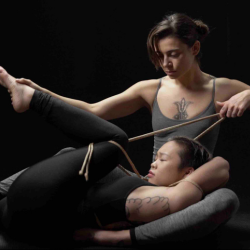
I first learned at this point the word shibari and researched fervently, quickly coming across the work of Wykd Dave and Clover Brook (who would later become my tutors and mentors, something I never expected would happen) and their darker aesthetic, more focussed on the experience of the person in rope rather ...
Replied on Rope Journal - Week 2January's Theme ...
18 Jan 19:43
than the rope itself. I knew then that rope was more than I could imagine, from these beautiful large scale artistic installations by Kinoko, to the extremely intimate and close scenes portrayed by Wykd Dave and Clover. As I recall this I think of what my impressions were before, probably influenced by those magazines and early VHS pornography that I had seen in my youth that rope and bondage was about pain, that the rope was there to provide restrain while something else was happening... and it is, but I learned that isn't all rope can be, it can be artistic, it can be intimate, loving, kind even... for some its meditative and connective, for others its challenging or silly. Through all this I found that rope to be much more diverse than I originally thought. Rope isn't just a tool, its an expression and that expression can show up in so many diverse and beautiful ways, one which I love to continue to explore and develop