Shibari Basics: A Complete Intro Guide To Japanese Rope Bondage
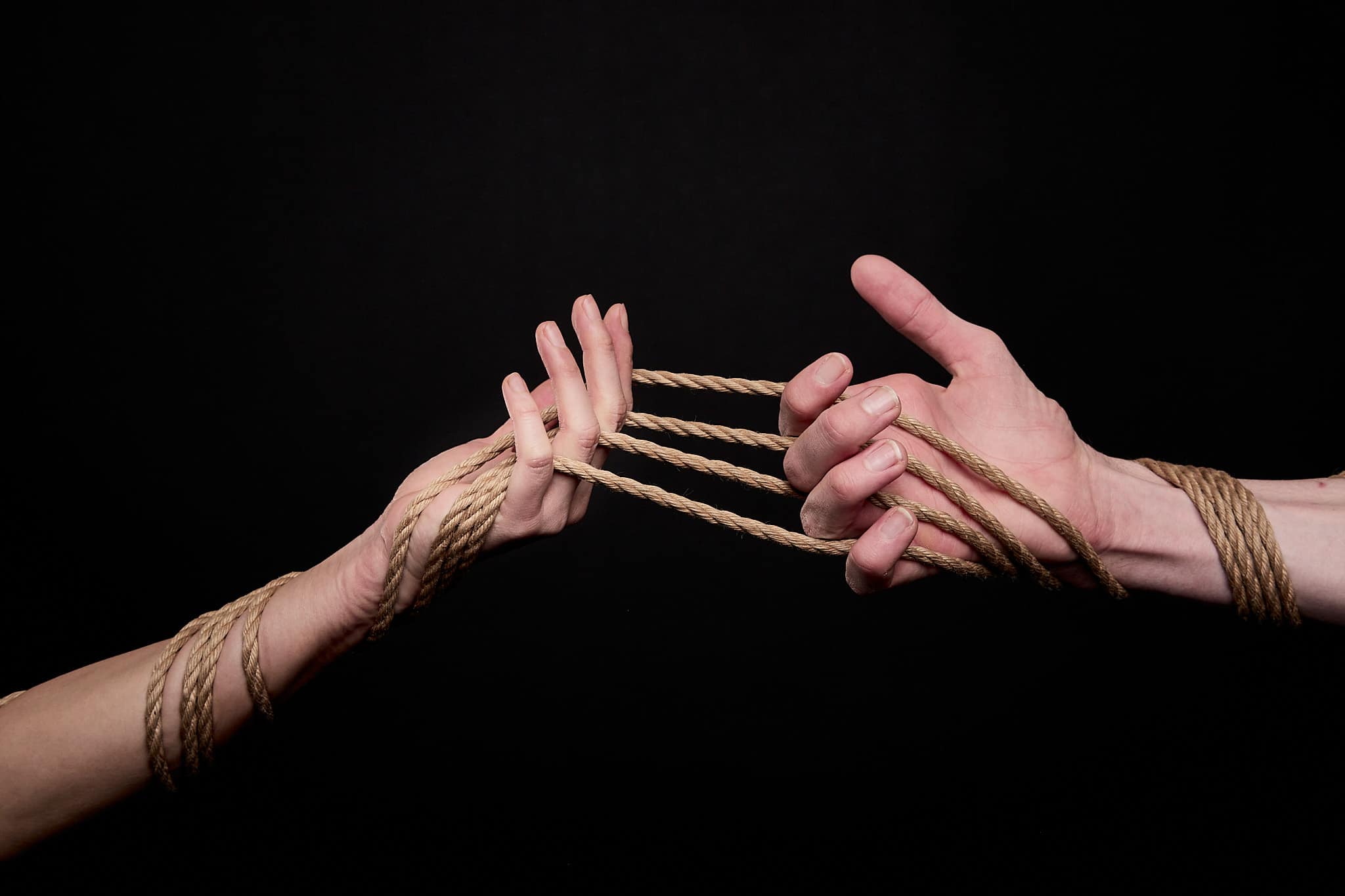
Shibari, or Japanese rope bondage, binds the body with rope for erotic, artistic, meditative, or connective reasons. Beginners can start on the floor, alone or with a partner, using basic equipment and fundamental ties. No shibari is completely safe: serious risks include nerve compression, joint damage, suspension falls, and psychological harm. Learning to recognize and respond to these risks is part of the practice from day one.
Wrap your head around all things shibari here, from history and modern-day origins to risks and safety, how to get started and what you need to begin your own rewarding rope bondage practice.
What is shibari
Shibari, also known as Japanese rope bondage, is an intricate, creative and often connective practice that involves binding the body with ropes. In Japanese, the word ‘shibari’ simply means ‘binding’ or ‘tying’. Because the word can be used for tying any and everything, ‘kinbaku’ (or ‘tight binding’) came to be used to specifically describe the art of tying the body. However, ‘shibari’ and ‘kinbaku’ are often used interchangeably.
While shibari is frequently explored as an erotic art form within the umbrella of kink and BDSM, Japanese rope bondage as we know it today has extended far beyond only a sexualized practice. Today, people practice shibari for artistic performance, emotional connection, self-expression, and even meditative or self-care purposes.
With increasing representation and awareness in pop culture and public performances, shibari is an evolving and growing discipline that blends artistic creativity, emotional intimacy, and physical connection.
Learn more about the origins of shibari, its history and evolution, and why people practice Japanese rope bondage in our Introduction To Shibari: A Brief Explainer.

The origins of shibari
Shibari is often romanticized as an ancient and honorable Japanese art form which has its roots in hojojitsu. But the practice as we know it today has only existed for about a century, popularized by Japanese artists who reinterpreted these techniques as erotic art.
Shibari, or kinbaku, as we practice it today has roots in Japan’s pleasure districts, sex work, and erotica. This style of rope bondage gained wider attention after World War II, largely through fetish and bondage photography. Before then, it was mostly seen onstage in Japan’s kabuki theater.
Japanese painter and photographer Seiu Ito is often credited as the first to research hojojitsu techniques in an erotic context, at the start of the 20th century. His explicit woodblock prints and photos of women in torturous ties are some of the earliest visual records of modern Japanese rope bondage. Many consider him “the father of modern kinbaku”.
Want to dig deeper? Read On Seiu Ito And The Origins Of Kinbaku.

What are the risks of shibari?
Like many other types of kink or BDSM play, there are safety risks associated with practicing shibari. Some of the more serious risks of rope bondage consist of nerve compression, damage to joints, and falling or being dropped while in suspension. Less severe risks of shibari can include rope burn, circulation loss, and lasting rope marks. The risks aren't just physical either. Like any type of BDSM play, rope bondage can profoundly affect our state of mind, meaning shibari also carries psychological or emotional risks.
While there is no such thing as completely safe shibari, learning about these risks is essential for practicing responsibly. Understanding what can go wrong will help you make informed and safer choices, communicate with your partner, and adjust your techniques based on which risks you’re willing to take - as well as which you aren’t.
Knowledge is power, so check out our Safer Shibari: Understanding The Risks Of Rope Bondage to learn more about how to stay safe while tying or being tied.

How to practice shibari safely
Knowing the risks of shibari is just the start. Learning how to practice shibari safely means being able to spot warning signs and knowing what to do when things go wrong. It also means taking proactive steps to reduce risks from the beginning.
Preventing injuries in rope bondage is about more than just technique. It also requires basic knowledge of nerve placement and anatomy, choosing rope that’s safe for shibari, and understanding how to use safety shears in an emergency. Even clear, effective communication - with your rope partner and yourself - is a key part of shibari safety.
The risks of rope bondage will increase as you begin to practice more complex ties. But even simple shibari ties may not go according to plan. That’s why safety should be part of your practice from day one.
Trust and confidence in shibari begin long before rope even touches the skin. From choosing the right rope and cutting tools to learning about nerve placement and personal risk profiles, this free General Rope Safety course is packed with expert advice to help you start smart and stay safe.

How to start shibari for beginners
If you’re ready to begin learning shibari, you’ve got more options than ever. From dedicated shibari dojos in many major cities to online rope bondage courses, you can learn your first shibari knots in a local rope studio - or right in your living room!
Each learning path has its pros and cons, especially as your practice grows. But if you’re just starting, all you need to get going is some basic equipment and a few fundamental beginner ties. You don’t even need a partner - most rope bondage basics can be practiced solo at first.
Need help taking the first step? Our guide to How To Start Your Rope Bondage Journey will help you find your local rope bondage community, build your first rope kit, and more!

Choosing the best rope for shibari
Just as there are many ways to learn shibari, there are many types of rope you can use in shibari too. Picking the ‘right’ rope may be a matter of personal preference and your tying goals. Plus, each rope type has different pros and cons when it comes to safety, handling, and suitable uses.
Are you after the safest rope for suspensions? Do you like the look and feel of traditional shibari rope? Is your ideal bondage rope something soft and sensory that will only be used in floor play? Or maybe just need a budget-friendly option to start learning the basics.
All of these are valid choices - and there’s a rope out there to match nearly every style, desire, and skill level. You don’t need to rush out and spend a fortune on the biggest and best rope kit available but do think carefully about your needs. Investing in decent-quality ropes is useful if you want to progress beyond the basics without having to buy a new kit to do so.
Not sure where to begin? Our Shibari Study Rope Guide Part 1: The Basics breaks down the most types of rope used in bondage, and why folks choose them.

Can you practice shibari alone?
You don’t need a partner to learn or practice shibari. In the past, most people you’d meet doing rope bondage were either “riggers” (the person doing the tying) or “bottoms” (the person being tied). Nowadays, there’s a growing movement that speaks to self-tying as a valid practice for one. Self-tyers are rolling “rigger” and “bottom” all into one empowering and fun solo activity.
People start self-tying for all kinds of reasons. For some, learning to self-tie is practical: “I just haven’t found the right partner yet.” For others, self-tying is deeply personal - a way to connect with body, mind, and creativity.
As solo shibari becomes more popular, more classes and resources are emerging just for self-tyers. Many ties used in partner rope bondage can be adapted for self-tying with time, experimentation, and care.
Curious about self-tying? Check out Shibari Self-Tying For Beginners: What You Should Know for tips on how to self-tie safely, what equipment you need, and why so many people practice solo shibari in the first place.

LEARN SHIBARI AT HOME
Get unlimited access to 800+ courses, live classes, and performances taught by world-class instructors.