5 Shibari Drills Classes To Hone Your Rope Skills
Get in, rigger! We’re going back to basics with five follow-along drills courses designed for better rope bondage.

You can have everything you need to set the scene for your perfect rope bondage play session – willing rope partner, full rope kit, safety tools, the perfect playlist, even your favorite aftercare snacks – but if your tying skills aren’t up to the task, you’ll likely find it’s much more fumbling than it is fun. It’s not just a trite expression that ‘practice makes perfect’: think of your rope in the same way as you’d think of a musical instrument, a paint brush or even driving a car, and you’ll understand that rope is merely a tool and the ability to create effective, efficient and enjoyable ties lies in your hands – literally.
This is where drilling comes in… Drilling is defined as “an activity that practises a particular skill and often involves repeating the same thing several times”, and it’s exactly this sort of meticulous focus and attention that will help your practice flourish. So, if you’re looking to activate muscle memory, refresh skills and elevate your rope bondage game, we’ve got you! From beginner-friendly fundamentals that will help you start smart to advanced level exercises that will help you progress smoothly and safely, commit a few minutes each day to these drills and watch the way you tie transform…
Fundamentals first: Drills For Single-Column Ties
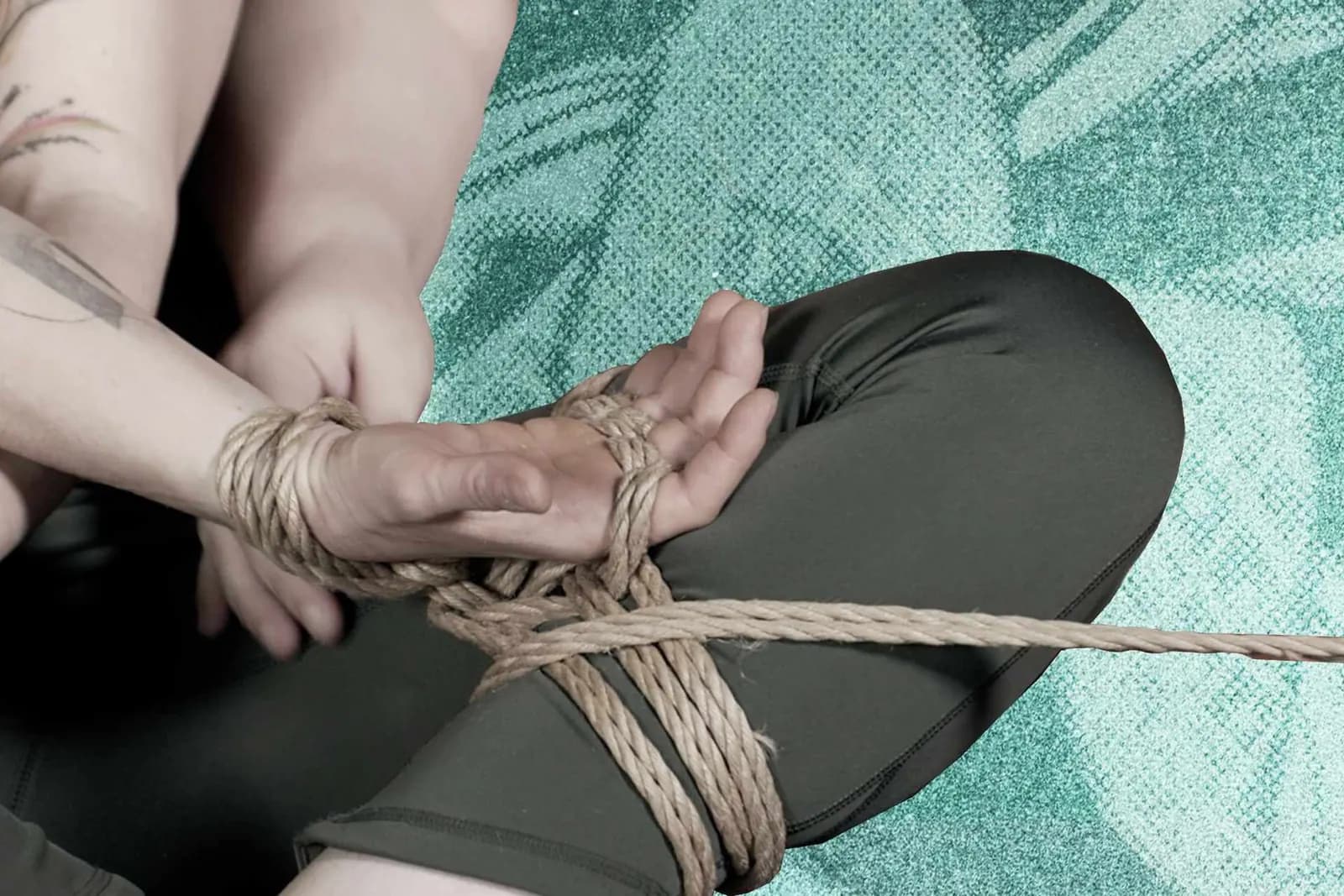
Whether you’re starting your learning journey on Shibari Study or in any number of the many rope studios around the world, chances are that the humble single-column tie (SCT) will be one of the very first ties you learn. It’ll be one of the most important fundamental ties in your toolbox… and it’ll probably also be one of the first ties you mess up. In this series, fuoco breaks down the Somerville Bowline SCT into five easily digestible learning chunks: building the wrap, constructing the loop, theory and locking the cuff, switching hands and switching directions. Getting familiar with the single-column tie doesn’t get more comprehensive or more constructive than this and, best of all, you don’t even need a model to follow along. Get comfy and get tying now!
Finesse your flow: Handling Drills For Flow
So, you’ve got the hang of a couple of the building blocks of your shibari practice – the knots, friction and hitches that make up each tie – and learnt a few patterns? Now comes the next (arguably as important) challenge: being able to execute them with enough confidence and elegance that you can give more of your attention to the person being tied and less to fussing around with frictions or trying to tame errant rope ends. Take a deep breath, slow down and get ready to enter the mysterious but absolutely master-able state of ‘flow’, guided by fuoco and her model Cat. This tie-along series is all about learning to handle your rope as effortlessly as if it were an extension of your own body – from passing rope between the body and other ropes and laying it on the body to controlling wild rope ends.
Seamless solo tying: Drills For Self-Tying Behind Your Back
For self-tying so confident you “could do it with your eyes closed”, look no further – or is that feel no further? – than KissmedeadlyDoll’s Drills For Self-Tying Behind Your Back series. See, there’ll come a time in every shibari self-tying journey – particularly as you begin to self-tie harnesses – where you may need to start tying in areas where you can no longer use your eyes to guide you as you build up the tie. These drills are all about mobility, dexterity and reinforcing the connection between your brain and your fingers by practicing four common frictions and hitches behind your back. The more you practice, the more you’ll be able to rely on your hands and fingers to “see” what your eyes can’t.
Quick study: Speed Tying Drills
As your shibari practice grows, you’ll go from fumbling your first ties (yes, we all do it) to developing not just tying competency but a sense of nuance in rope. One element that you can play with is pace: there will be a time for tying slowly, drawing out the intensity and making space for observation and processing, but there will also be times when you want to tie more quickly, injecting energy and excitement into your scenes. However, speed tying is not for the faint of heart or finger; tying both fast and well will challenge your coordination, concentration and control. This course, from queen of flashy rope Tifereth, is all about helping you learn and then build upon the skills needed for smooth, fluid and speedy tying, including learning to move both the rope and yourself, and then how to control your rope ends as you do it. Ready… Set… Go!
Smoother suspensions: Handling Drills For Uplines
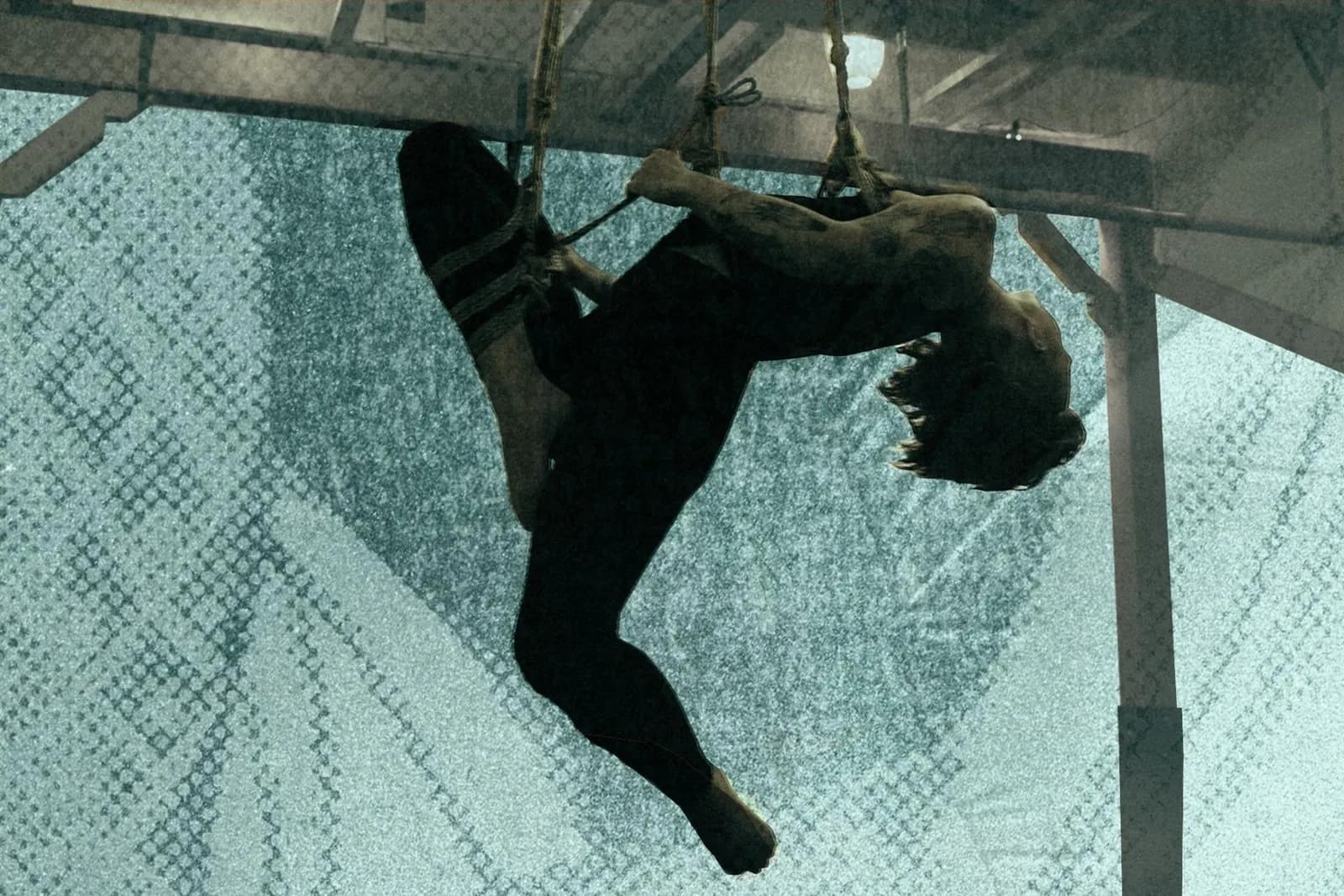
It’s not just shibari beginners who can benefit from regular practice drills and exercises. While suspensions may be one of the more advanced shibari techniques you can learn, getting your uplines up and down efficiently is a special sort of ropey choreography that becomes more ingrained in your muscle memory with each repetition. In this course, fuoco offers two separate drills for tying and untying uplines, based on two different locking techniques. You can skip roping in a partner for these drills and, instead, use a sandbag, backpack or weight as you tie along in real time.
Where can I learn shibari in my area?
Where possible, we will always advocate for a combination of learning shibari online and in-person tuition. While daily practice and regularly drilling your fledgling skills will reinforce your learning, there’s also a ton to be gained from the small corrections and adjustments that come from experienced in-person instruction. Each type of learning has distinct and different benefits, and nothing will grow your practice as fast as being able to draw from both. If you’re not sure how to find shibari classes in your area, FetLife can be a great resource for connecting with kinky folks and for finding your local rope bondage community. There's also the Shibari Study Community, an online rope community space that connects Shibari Study members from around the globe.