Holding Both Ends: What Switching In Rope Stands To Teach Us
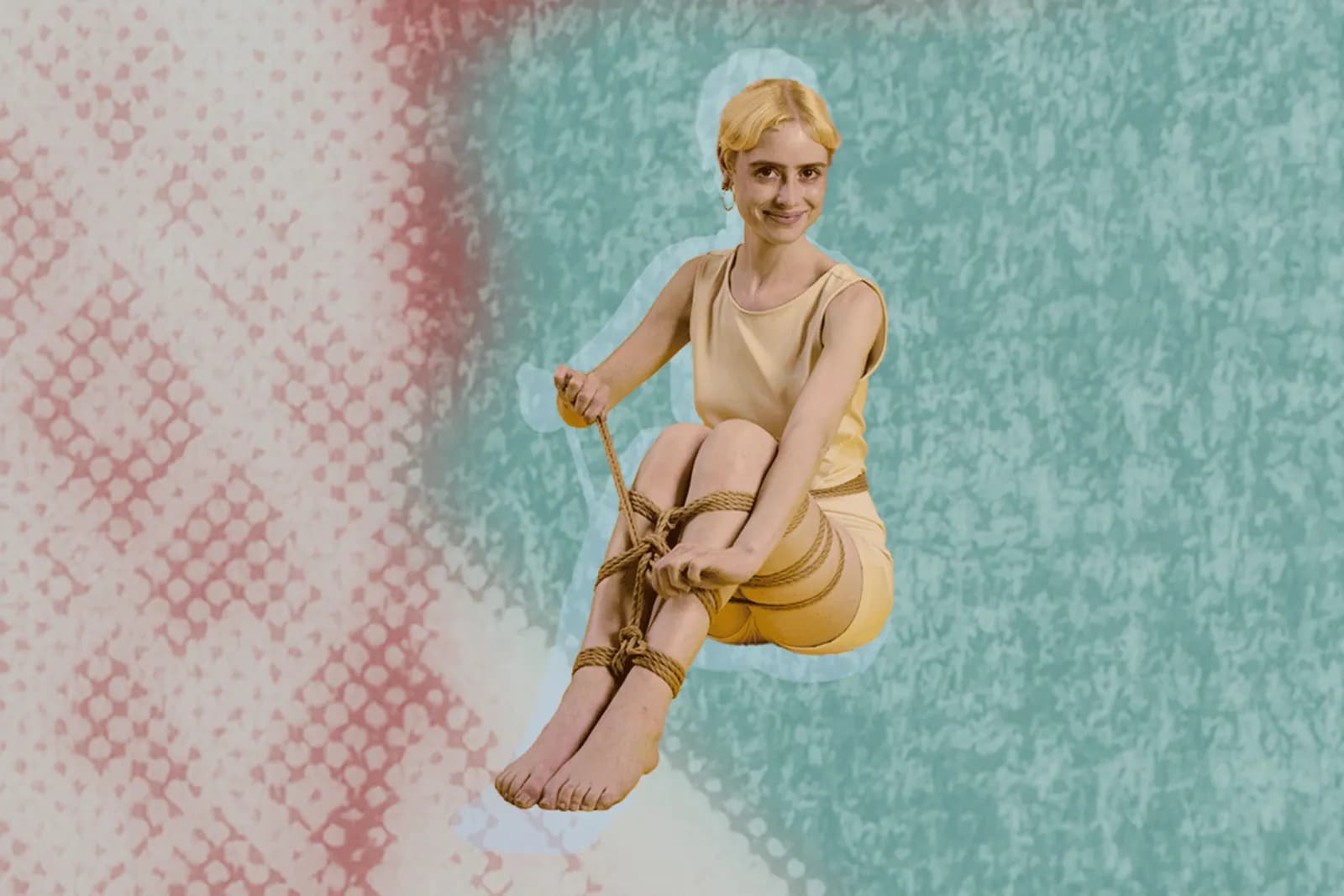
Switching in shibari – that is, moving between the roles of tying or being tied – offers more than new rope skills or experiences. Instead, it might just shift your perspective entirely.
A quick note on language and roles in rope:
Throughout this article, I use the terms rope top and rope bottom. By rope top, I mean the person tying or applying rope (often called a rigger), and by rope bottom, I mean the person being tied or receiving rope.
These terms function as a kind of shared shorthand – they don’t automatically imply power dynamics or a dominant/submissive relationship, but simply describe the roles someone is inhabiting in a given moment. Any power exchange that may be present in rope is something that is intentionally negotiated, not assumed.
So what is a switch in rope bondage? When I use the term switch, I’m referring to someone who moves between these roles – someone who may tie, be tied, and explore both sides of the rope depending on context, partner, or desire.
At its core, rope bondage is a collaborative practice shaped by communication, consent, and mutual care, no matter which role someone is in.
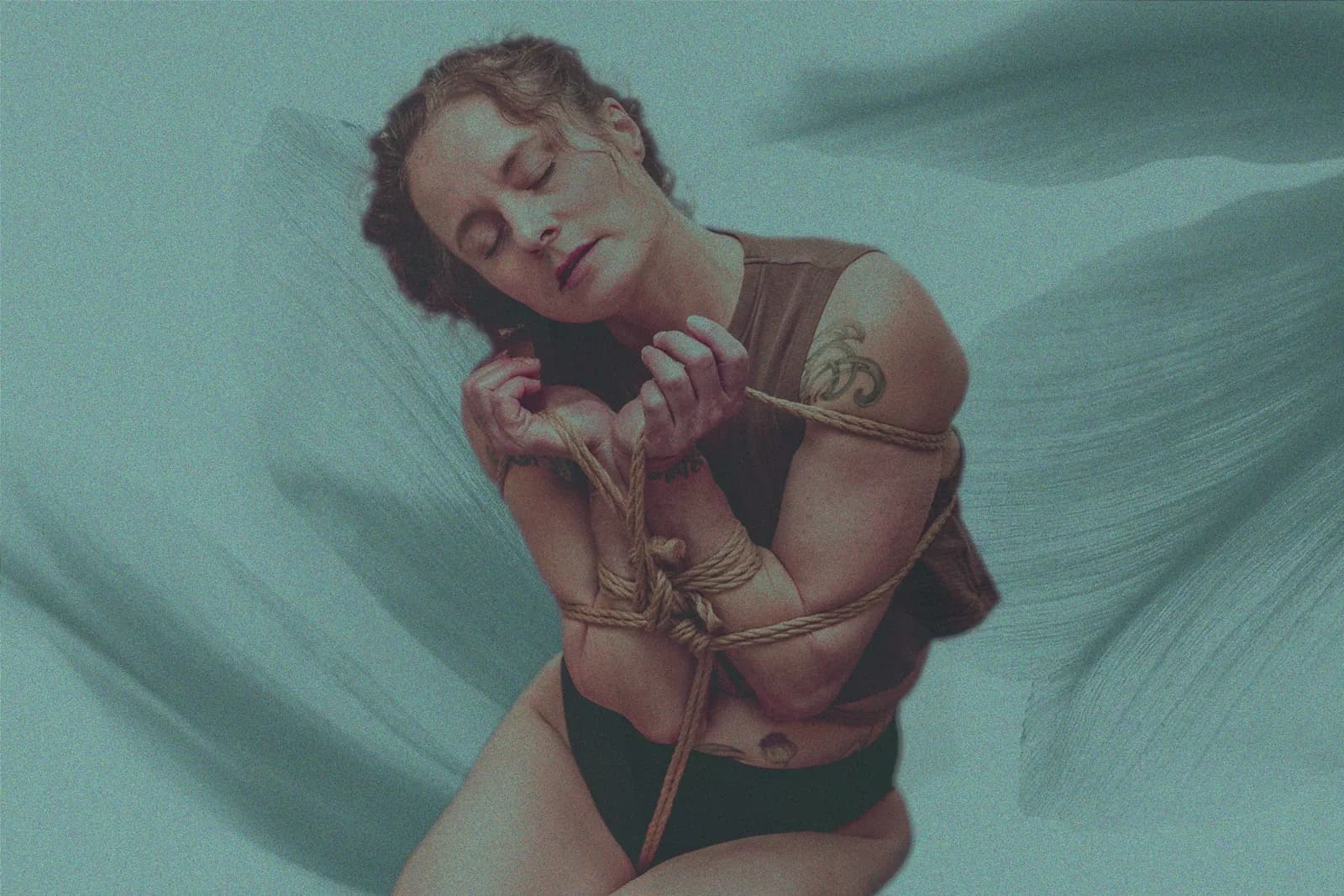
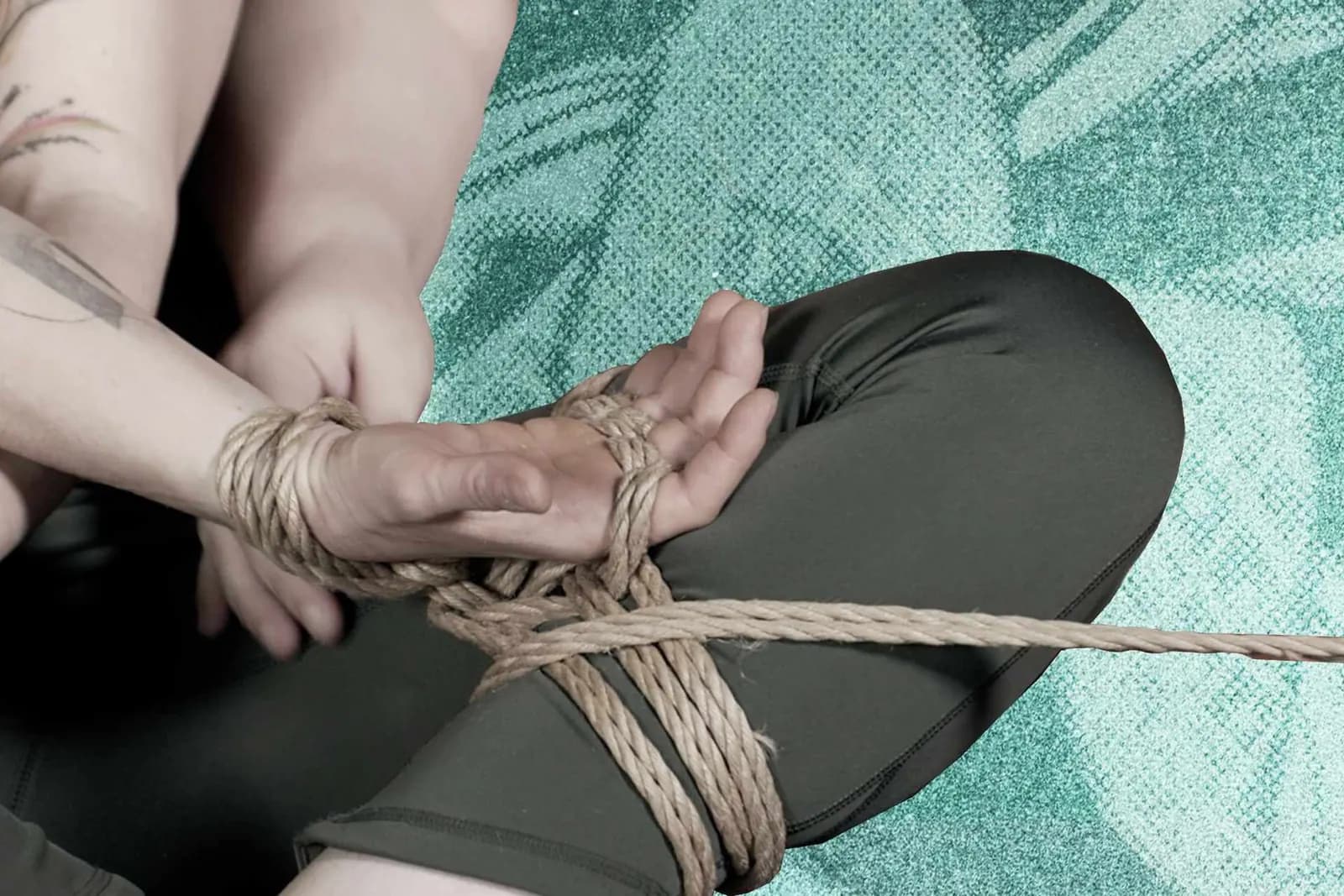
My relationship to rope has always been deeply somatic. There is a particular kind of power in the surrender of being adorned with rope and allowing yourself to be moved, shaped, and held within an experience. There is also a quiet sense of empowerment and reclamation in the practice of self-tying, laying rope on your own body, learning its language through your own hands. And over the last handful of years, I’ve found myself exploring something else entirely: the grace, the responsibility, and the glorious weight of creating an experience for someone else through rope.
I didn’t begin my journey in rope as a switch. I often tell my story as a fairly common arc: starting as a rope bottom, quickly becoming curious about self-tying and the idea of having a ritual all of my own, and then, almost inevitably, being seen and witnessed as someone who could tie, and asked to tie others. I quietly named and referred to myself as “the Reluctant Rigger”.
I often tell my story as a fairly common arc: starting as a rope bottom, quickly becoming curious about self-tying and the idea of having a ritual all of my own, and then, almost inevitably, being seen and witnessed as someone who could tie, and asked to tie others.
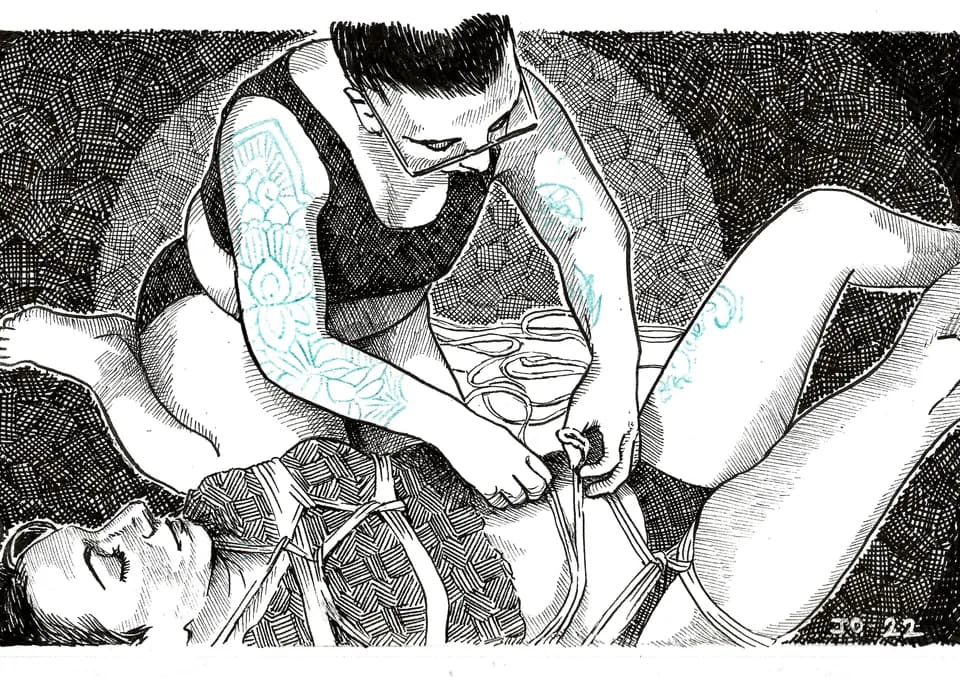
It wasn’t until I began to recognize that taking up space as a Black, queer femme rigger could be something meaningful in this corner of subculture that I allowed myself to be fully seen as someone who ties others. For a long time, I held that part of myself a little quietly, unsure of how it would be received, unsure of how I was meant to show up in a space where riggers are so often expected to look or move a certain way. But the more I leaned into my own presence, my identity, my way of relating to rope, my particular blend of care and exploration, the more I began to understand that there was room for me here, and that my being here could matter.
My journey is specific to me, but it isn’t unusual. It follows a path I’ve now seen echoed across the communities of people who engage with rope: beginning on one side of the rope, and slowly, sometimes reluctantly, crossing to the other. I recently put out a “Shibari Switch Survey” that around 50 people responded to with their experiences. What became clear (both in my own body and in the stories shared with me) is that switching doesn’t just add another skill. It changes the way you understand your skills, yourself and others. People spoke about gaining a deeper sense of empathy, how tension lands, how quickly intensity builds, how much trust is required to be held in rope. Others described a shift in agency: becoming more confident in their voice as a “rope bottom”, more precise in their communication, more aware of what is happening in their bodies and what they need. There was also a recurring recognition of responsibility; how tying carries emotional, physical, and mental weight in ways that aren’t always visible from the outside.
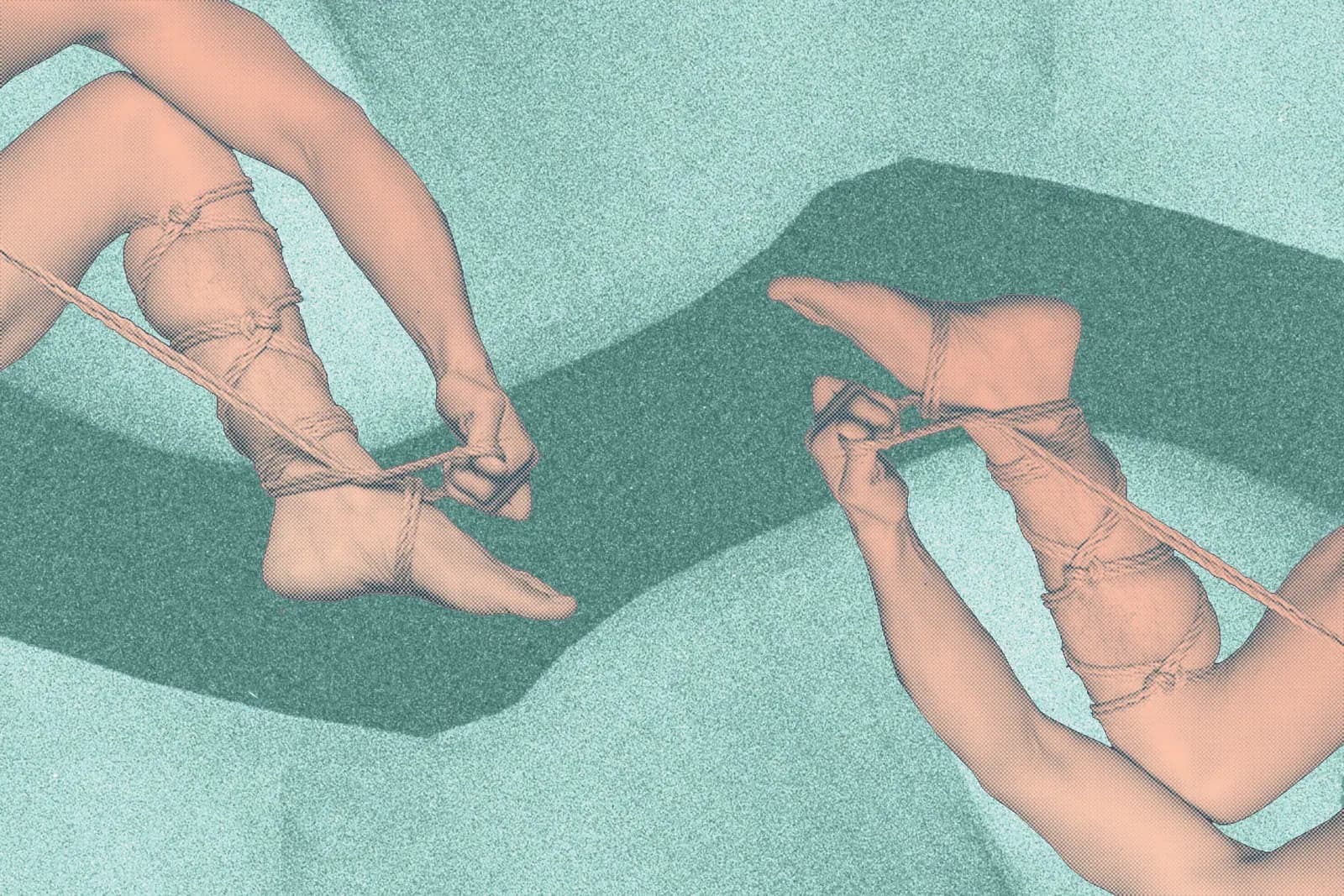
Experiencing both sides of rope creates a kind of understanding that can’t be taught secondhand. It reshapes how we relate to power, safety, connection, and to each other.
Again and again, people returned to the same realization: experiencing both sides of rope creates a kind of understanding that can’t be taught secondhand. It reshapes how we relate to power, safety, connection, and to each other. And it’s that layered, lived perspective, moving through rope from multiple vantage points, that I credit for the depth of my own understanding. Not just technically, but relationally. Somatically. From top to bottom.
Why people cross to the other side
For many people, the shift toward switching doesn’t happen all at once. It builds slowly.
Sometimes it begins with curiosity. A desire to understand what is happening in rope, not just feel it. To move from sensation into structure, from experience into awareness.
Sometimes it’s practical. In some rope spaces, there may be a lopsided ratio of tops to bottoms, and learning to tie becomes a way to participate more fully.
Sometimes it’s about safety. Several people shared that learning to tie gave them a sense of autonomy and an ability to better understand what was happening to their bodies. This allowed them to ask more informed questions, and to gain awareness in their bodies and in their boundaries. One person wrote, “I wanted to have the same information and background as the person tying me.”
Several people shared that learning to tie gave them a sense of autonomy and an ability to better understand what was happening to their bodies.
And for others (myself included), the shift came from something more personal. The end of a relationship. A difficult experience. A desire to stay connected to rope, but in a different way.
Whatever the reason, the movement toward the other side of the rope is often less about identity and more about understanding.
What is discovered when you’re in rope
There are things you can only learn by being tied.
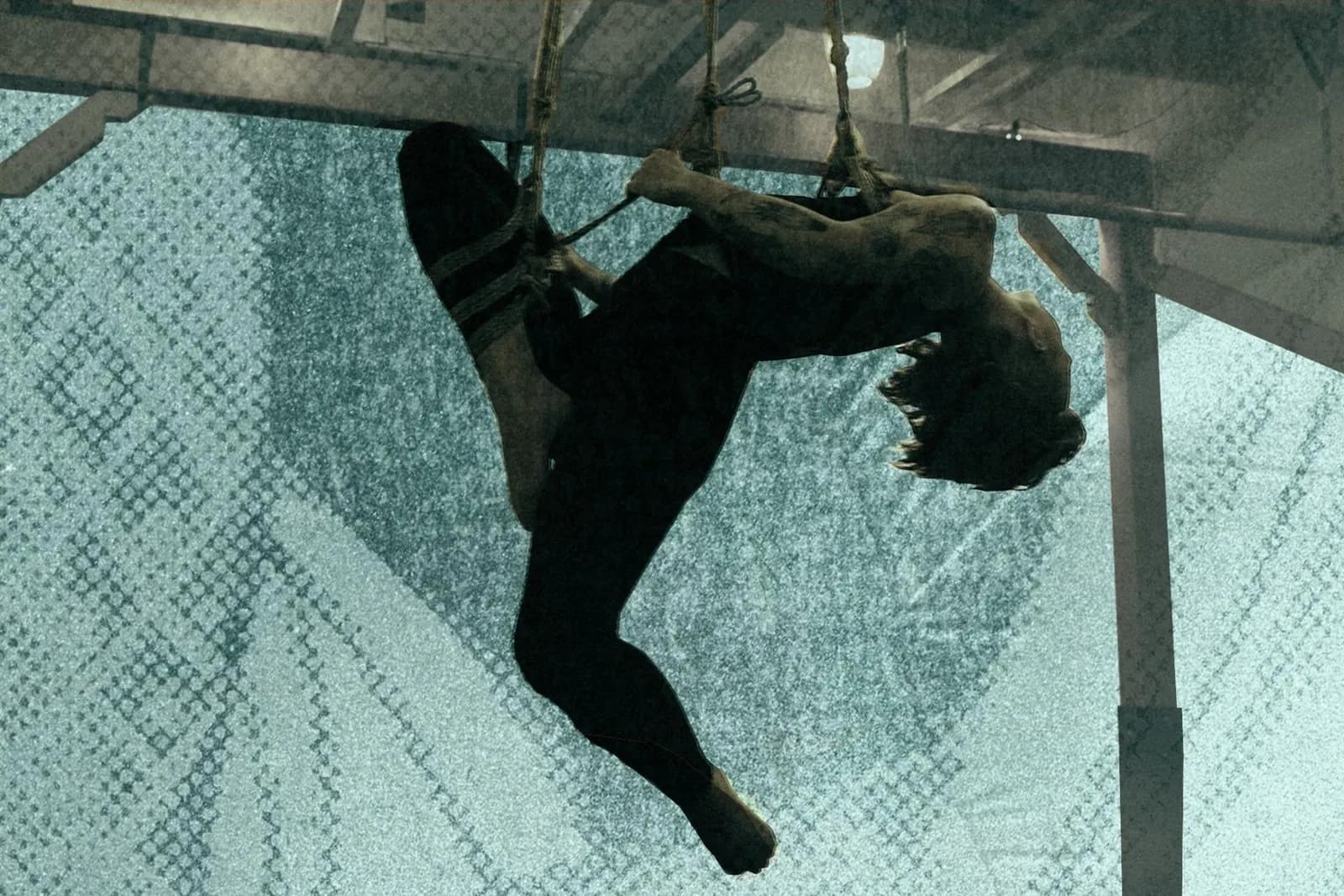
People spoke about how quickly their awareness shifted once they experienced rope from the inside. Not just the obvious sensations, but the subtleties: how tension actually lands on the skin, how it spreads or concentrates, how certain lines feel sustainable while others quietly become too much. There is a growing awareness of time – how sustainable certain positions or ties can be, how quickly intensity can build (especially in suspension), and how the body and mind don’t always move at the same pace.
Being in rope also changes your relationship to your own body. Many people describe becoming more attuned to their internal cues and the ever expanding journey of learning the difference between discomfort and something that feels unsafe. Being tied also offers you lessons in recognizing early signs of fatigue or overwhelm. There is also a deeper understanding of headspace: how the mind can drift, focus, resist, or soften, and how external interruptions (too much talking, not enough presence, rushed pacing) can either support or disrupt that process.
One person shared that before bottoming, it was easy to “go from zero to one hundred” as a rope top. Afterward, they understood the importance of build, of breath, of allowing a body to arrive in the experience rather than be pushed into it. The art of pacing.
Another wrote, “Now I think about the experience more than the pattern.”
One person shared that before bottoming, it was easy to “go from zero to one hundred” as a rope top. Afterward, they understood the importance of build, of breath, of allowing a body to arrive in the experience rather than be pushed into it.
It can be very easy to get lost in the technical aspects of rope as someone who ties, and being tied can also serve as a reminder that we are tying humans, and ushering in an experience.
There is also a shift in how trust is understood. Being tied reveals how much is asked of the body and the mind when you are tied in rope. That awareness doesn’t stay contained to the experience of being tied. It transfers.
People described becoming more intentional as rope tops – more attentive to pacing, more aware of how to read a body, more thoughtful about communication before, during, and after a scene. Understanding what it feels like to be in rope allows for more informed decision-making: where to place lines, how to adjust tension, when to pause, when to check in, and when to simply hold space. It also builds empathy in a way that can’t be taught secondhand.
There is a part of you that will always be guessing or consistently communicating to truly understand someone's experience in rope. However, once you’ve felt rope in your own body, you’re also drawing from memory, from sensation, and from lived understanding.
And once that is felt, it changes how people tie.
What changes when you start tying
When people begin their rope journey as someone who ties, they quickly realize how much attention the practice demands, not only in learning rope itself (patterns, tension, friction), but in the complexity of applying those skills to another body. It becomes clear that tying is not just about technique, but about the relationship between skill and connection.
Others who may have started tying after being tied in rope for a while described a moment of realization when they first began tying others. How much focus is required, how many small decisions are constantly being made (where to place a line, how much tension to apply), what the body is doing beneath your hands, what the person in your rope is feeling, even when they aren’t saying it out loud.
“There is a lot of responsibility – emotionally, physically, and mentally.” Tying asks you to hold multiple layers at once.
“There is a lot of responsibility – emotionally, physically, and mentally.” Tying asks you to hold multiple layers at once.
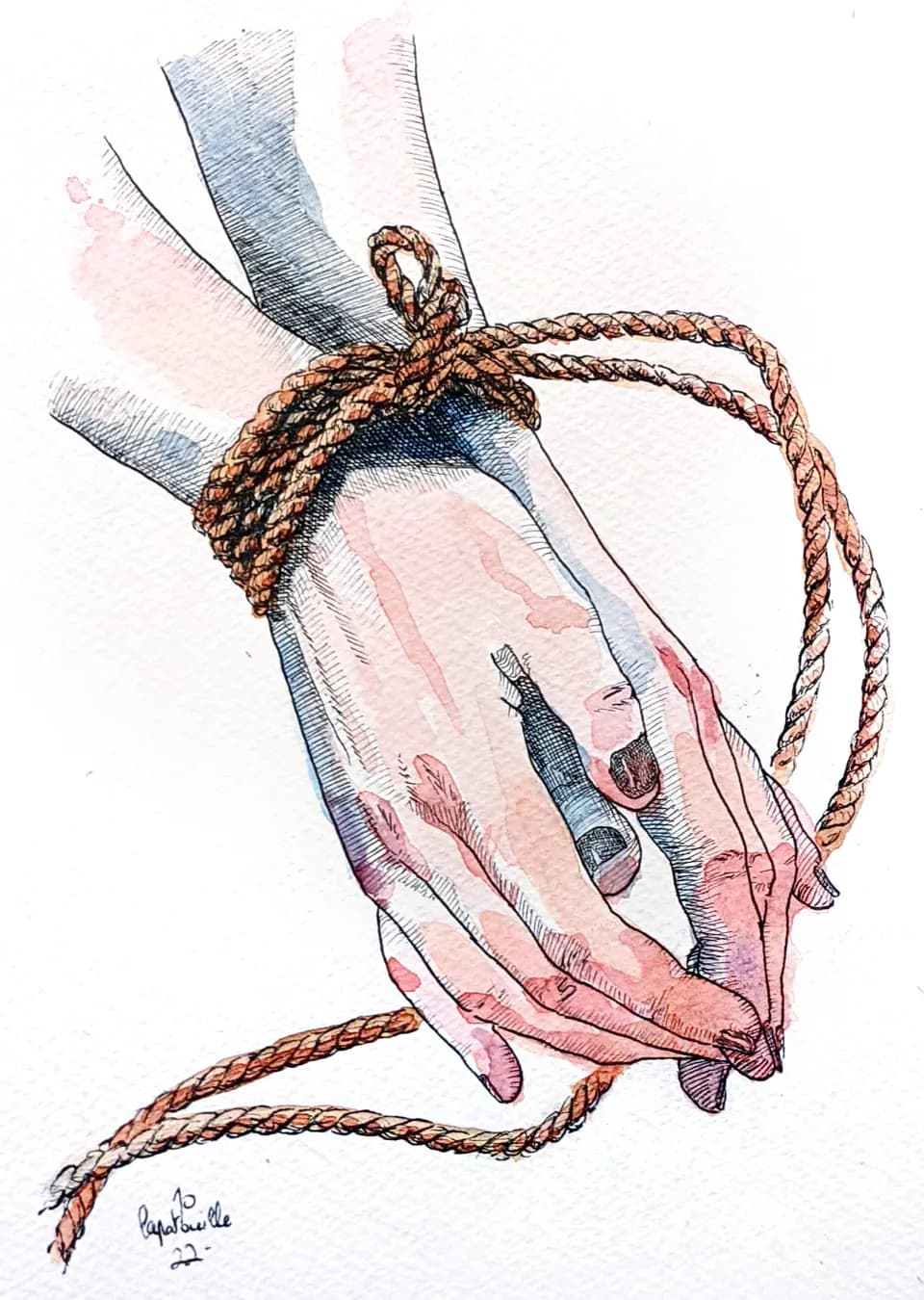
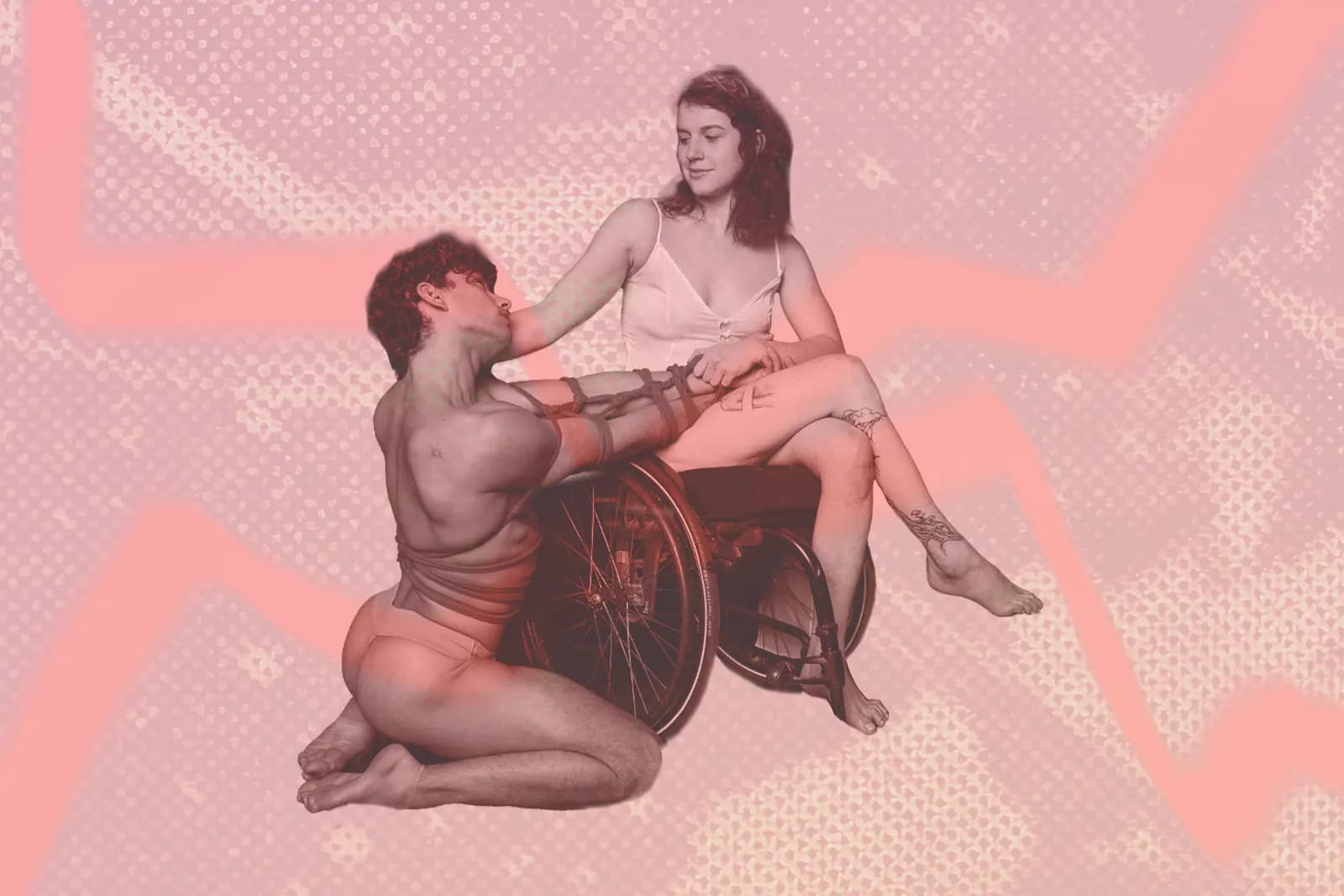
It also shifts how you understand the role of the rope bottom. Rather than being passive, the rope bottom becomes clearly visible as an active participant. Someone whose breath, movement, tension, and expression are constantly informing what happens next. Their body is not just receiving rope, but is also in conversation with the rope.
This often leads to a deeper respect for collaboration.
It’s one thing to understand, in theory, that rope can be intense. It’s another thing to be responsible for guiding someone through that intensity. To witness how they respond. To recognize when something is pushing toward overwhelm, or when it is opening into something deeper. People described becoming more aware of pacing, of build, of the importance of transitions, and of how to support someone not just in the height of a moment, but in how they enter and exit it too.
Expressed complications
One of the most consistent themes across responses was how deeply switching transformed people’s experiences. It didn't seem like just a small shift but more like a reorientation. In the Shibari Switch Survey, it was expressed over many responses that switching doesn’t just deepen understanding, it also exposes imbalance. Someone even expressed the following: “Once you top, you rarely bottom again.”
In many communities, there is a high demand for rope tops, and people who learn to tie often find themselves being asked to do so repeatedly. Over time, this can shift the balance of someone’s practice, making it harder to return to bottoming, even when that desire is still very present.
There are also social dynamics at play. People spoke about being seen primarily through one role, even when they identify as switches. Femme-presenting individuals described being pushed toward bottoming, while others found that their experience as a switch made potential partners hesitant to tie them at all. Being “both” can sometimes mean not being fully seen as either.
Femme-presenting individuals described being pushed toward bottoming, while others found that their experience as a switch made potential partners hesitant to tie them at all.
There are internal challenges as well. Some people described difficulty turning off their “rigger brain” when being tied, where we get stuck tracking technique instead of dropping into sensation. Others spoke about the challenge of moving between different headpaces, especially within the same session. Switching requires not just skill, but the ability to shift states, sometimes quickly, sometimes imperfectly.
And then there are the power dynamics. Switching often reveals things that are harder to see when you remain on one side of the rope. The ways knowledge creates power. The ways experience shapes perception. The ways visibility can be mistaken for trust.
“Visibility can look like trust… and sometimes it’s not.”
These are not abstract ideas. They are lived realizations – things people come to understand through being held, and through holding others.
Switching doesn’t simplify rope. I'd like to make the argument that switching not only makes rope more complex, but more relational and honest.
In conclusion: my hopes
Whether switching becomes a core part of your rope practice or something you only explore once or twice, there is value in crossing to the other side of the rope. Not to prove anything. Not to become something else entirely. But to understand more. To feel more. To deepen your relationship to the rope, to your body, and to the people you share it with. Even a brief experience on the other side can shift the way you listen, the way you touch, and the way you hold responsibility within a scene. It can offer context to the things we think we already know, and humility in the places we didn’t realize we were guessing.
There is value in crossing to the other side of the rope. Not to prove anything. Not to become something else entirely. But to understand more.
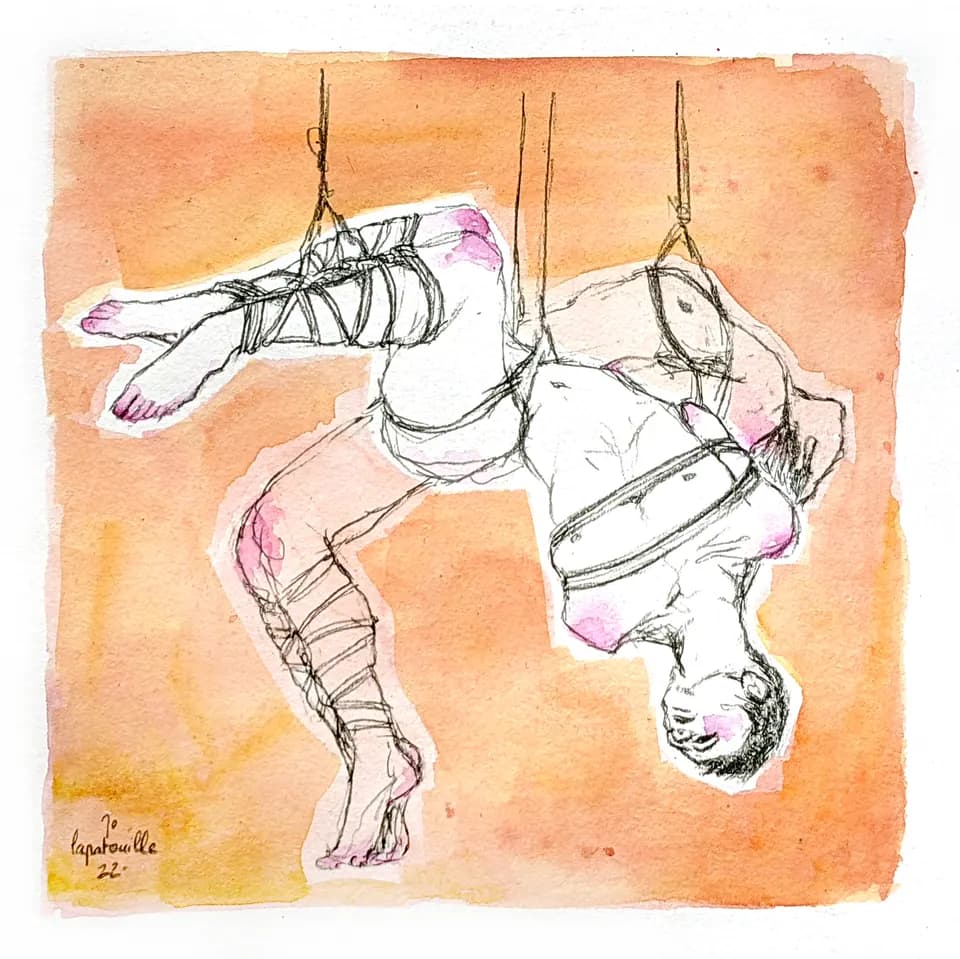
My hope is that people allow themselves that curiosity, whether it becomes consistent or not, whether it becomes part of your identity or simply a moment of exploration. There is no right way to engage with both sides, only an invitation to see what becomes available when you do.
I also want to offer deep gratitude to everyone who contributed their reflections to the Shibari Switch Survey. Your honesty, nuance, and willingness to share your experiences made this piece what it is and helped to further understand from even more perspectives. So much of what we understand about rope comes not from instruction alone, but from each other, from the ways we speak, reflect, and make meaning together in community.
Because this thing we love so much only grows richer when we are willing to meet it from more than one perspective.