Why (I Think) BDSM Checklists Are Bullshit
A BDSM test, fetish checklist or exhaustive list of kinks to check off or check out might sound like it takes the guesswork out of kinky play, but are the ways we connect really that basic?

So, you searched for “BDSM checklist” and you found this blog? Great, I’m glad you’re here! As you might have noticed from the title, I’m not the biggest fan of trying to use a checklist of kinks or A to Z of fetishes as a personality test, let alone a strategy for exploring this type of play. Given that you found your way to this article, maybe you share a bit of my skepticism. Or perhaps you’re the type to want to hear both sides of an argument before making your mind up. Either way, read on for my hot takes and alternative suggestions.
BDSM tests, quizzes, and checklists, oh my!
As a species, we love labels. Categories help us to make sense of the world, and so we’re quick to match like with like. Just as gender and race are social constructs, so are “sadist”, “rope bunny”, and “submissive”. Still, we find value in the act of defining and claiming these words that feel like identity. Take a look around FetLife, a popular kinky social network, and you’ll see all sorts of novel labels to describe people and relationships. Swipe around Feeld, a kinky dating app, and you’re likely to stumble upon the results of a BDSM test in someone’s photos. These BDSM tests promise to tell you what percentage Master, sadist, rigger, bunny, submissive, etc. you are.
A quick search for “BDSM checklist” will inundate you with options. Most propose a simple structure: work through the list of kinks and fetishes and indicate your interest in each with a yes, no, or maybe. Often these checklists target those newer to kink and promise to help you learn more about what sorts of spicy activities could be lying in wait in your future. They propose that by completing the checklist you’ll come to understand yourself better. Never heard of an item on the list? Do a quick google and a gut check to expand your knowledge and your sense of self.
BDSM checklists often position themselves as negotiation tools and conversation starters. You can use them to compare notes with a lover or potential play partner. That kink that’s a “yes” on their list and a “maybe” on yours? Jackpot.
Often these checklists target those newer to kink and promise to help you learn more about what sorts of spicy activities could be lying in wait in your future. They propose that by completing the checklist you’ll come to understand yourself better.
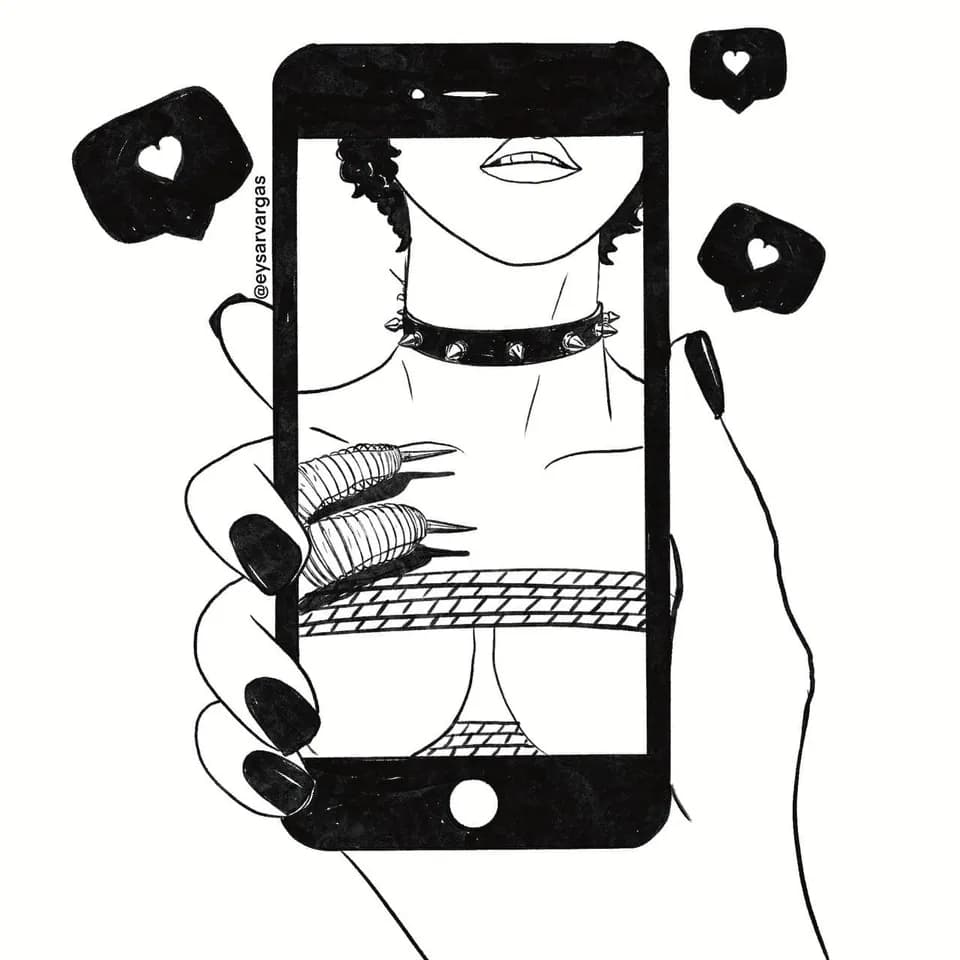
Some BDSM checklists and lists of kinks are robust, with columns that let you indicate whether or not you’ve actually tried a thing yet or just thought about it. Some have columns for extras where you can leave specific negotiation notes. Curious about needle play? “Maybe, but only with someone who has kept their bloodborne pathogens training up to date.” This sort of thoughtfulness and specificity can make a person feel like they’re doing kink responsibly. It can also make a person feel like what was supposed to be a sexy chapter of self-discovery is instead laden with administrative burden.
What do these checklists miss?
To an unseasoned kinkster, the advice to keep your checklist up to date and use it as a launch point for negotiation could give the wrong impression. Not every negotiation needs to include a conversation about watersports or electroplay. But when community norms dictate that checklists and other deliverables should be the starting point for finding common ground with a sexy stranger, it can be easy to overlook the obvious: you don’t have to want to do everything on your “yes” list with someone just because they share your kinks! There’s a lot of pressure to make your sexuality immediately legible to the world around you, but our queer elders taught us that there’s wisdom in resisting labels. You too are allowed to be mysterious.
It’s completely normal and perfectly acceptable to start a negotiation with someone new to you by establishing a very limited container. This is actually one of the reasons that I love rope! Whereas many other kinks that involve power exchange or sadomasochism for me feel very intimate, rope is an activity I feel safe to do with strangers. (There’s even a name for this sort of scene: a “handshake tie”.)
I remember being young and new to the kink scene and feeling a pressure to identify myself… Exchanging checklists was just one of many social norms that all communicated the same message: being legible in your kink identity is important currency in this community.
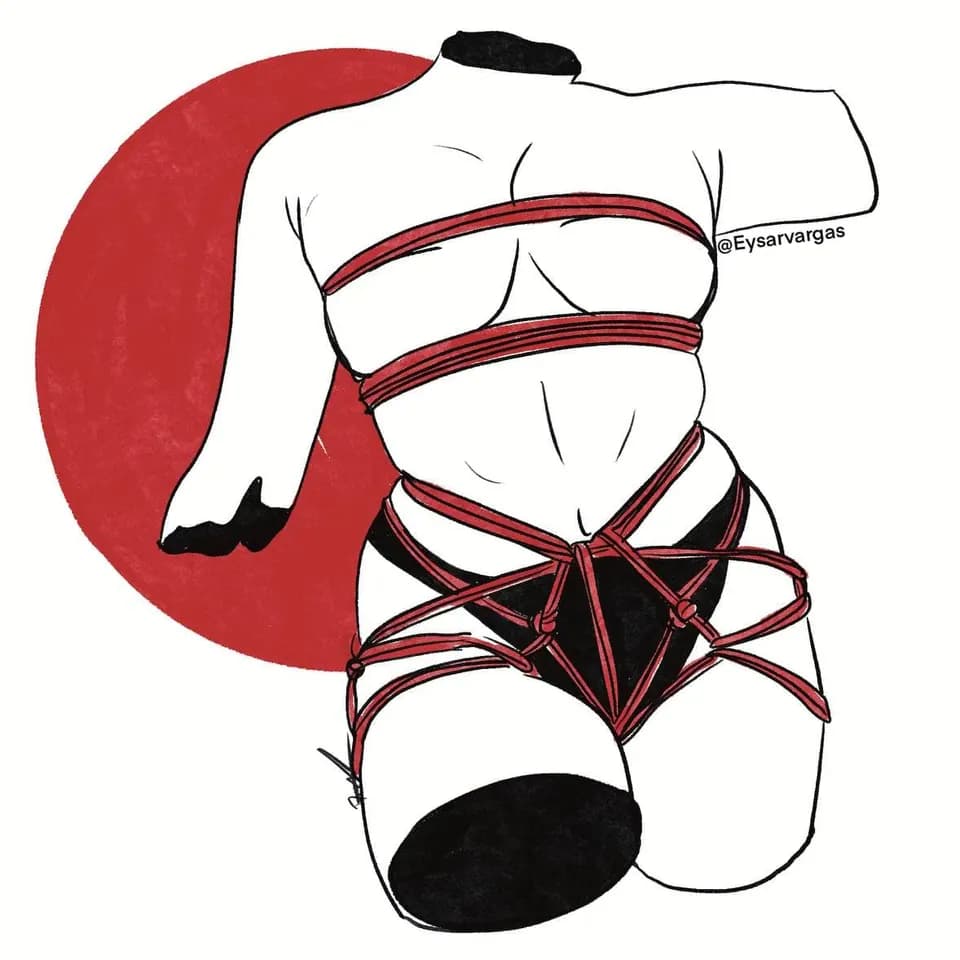
I remember being young and new to the kink scene and feeling a pressure to identify myself: submissive, rope bottom, masochist. I went to events and saw people in leather boots, and collars, with bruises proudly displayed. Exchanging checklists was just one of many social norms that all communicated the same message: being legible in your kink identity is important currency in this community. My eagerness to fit in obscured some of the discomfort that I felt about making myself as easily known as this. All of these labels felt true, but it took me a lot of years to realize that being a masochist didn’t mean I liked being hurt by just anybody. It took me longer to realize that my submission was something that felt very private.
And herein lies my big beef with these BDSM checklists. While they purport to be a tool to cultivate deeper self-knowledge, I think they often do the opposite. Your list of kink interests is a list of things you want to do with someone. Your desires are more relational than they are static, fixed truths about you. Knowing what you want to do with someone requires knowing that person. It requires a felt connection to your desires and your intuition, which change person by person and moment to moment. The sterile, bureaucratic nature of checklists doesn’t lend itself well to knowing oneself in this way. To offer what may be an even more sinister reading, the implicit authority conveyed by a form might subconsciously trump your own sense of intuition.
So, should I throw out the checklist?
I’m not here to yuck anyone’s yum, and if you want to spend an evening in the bath fantasizing about dirty things while you let your pen luxuriate over the “maybe” column, I’m here for it. I understand that these checklists live in the greater universe of BDSM tests and quizzes about your kink role alongside Cosmo articles about spicing up your sex life. Or in other words, maybe I’m taking this all too seriously.
But I care about you, and I care that you have a fun, hot and safe entry into the tantalizing world of BDSM.
If you’re partnered and this checklist feels like a fun way into conversation? Go for it. A word of advice though: don’t just look for overlapping “yes” answers. Get curious about the other person’s maybes and nos. I have surprised myself over and over again throughout the years finding myself fantasizing about something I was previously completely disinterested in, only after someone I was dating shared what they loved about one of their kinks in exquisite detail.
Go ahead, fill out the checklist if you’d like! Keep it for posterity and look back on it as the years go by. I’d be shocked if it doesn’t change dramatically, and it can be fun to see how your desires have expanded.
If you’re new to BDSM and exploring solo, check out Tina Horn’s Why Are People Into That? It’s a podcast that explores lesser-known kinks through interviews that run the gamut from hot and steamy to vulnerable and touching. And go ahead, fill out the checklist if you’d like! Keep it for posterity and look back on it as the years go by. I’d be shocked if it doesn’t change dramatically, and it can be fun to see how your desires have expanded. But in addition to filling out your more formal kinky paperwork, consider keeping a journal too. I’m more interested in you connecting to your intuitive, felt sense of your yeses and nos in any given moment than I am in how well you write them down.
And remember, your yeses, nos, and maybes will be wildly dependent on the person you’re playing with. No checklist can account for chemistry, compatibility, desire and discovery: things that are a whole lot more influential (and interesting) than filling out a worksheet.