Why Is Taboo Such a Turn-On?
Getting off on a little “deviant” behavior may be a feeling well known by most kinksters, but what is it that makes being naughty so damn nice?
While browsing TV shows on a streamer recently, I stumbled upon an old favorite in new form: the cooking competition Hell’s Kitchen, but with its famously foul language uncensored. Growing up in the aughts, when the show was ascendant, I was drawn to its high-concept plates and its contestants’ raw passion, which came through via their edgy vernaculars, despite attempts to obscure it.
The conservative nature of American broadcasters means so much is considered too lewd or crude for air. Bleeps and blurring abound, and even more so 20 years ago. A show like Hell’s Kitchen was an aural nightmare, with as much high-pitched bleeping as clear human speech. But this time I could hear it all, every exultant obscenity and bespoke epithet, and I was entertained and satisfied far beyond just nostalgia.
Swearing is the sort of quotidian taboo that many of us (myself included) eagerly indulge for the humor, pleasure, catharsis, or power, despite the potential for social disapproval. Many taboos, especially around sex, aren’t really so different.
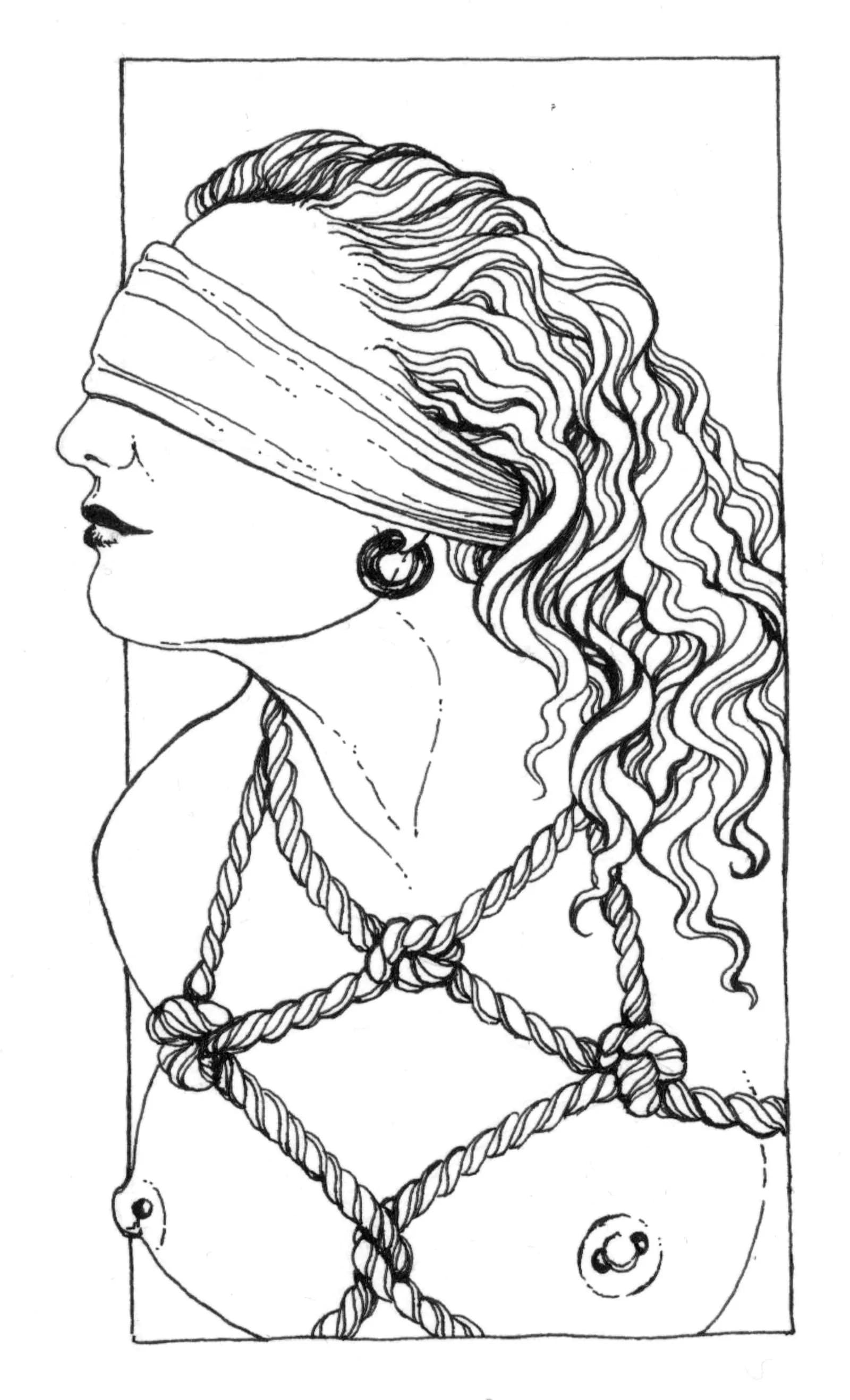
Without the obnoxious and infantilizing bleeps, I was even more invested in the contestants’ ups and downs, as their emotions now came through in fullness. I felt more attached to my favorites, and much more intimidated by this Gordon Ramsey than his network TV counterpart. Swearing is the sort of quotidian taboo that many of us (myself included) eagerly indulge for the humor, pleasure, catharsis, or power, despite the potential for social disapproval. Many taboos, especially around sex, aren’t really so different.
Good to be bad
There’s a lot that makes naughtiness enticing. Maybe it’s the novelty of defying a norm, or the adrenaline rush of causing shock or disgust. Or it could be the thrill of uncovering a hidden desire. These moments are pure eros, when we feel the most alive, fully immersed in the present moment and precisely what our bodies are telling us. It’s so much of what makes kink compelling.
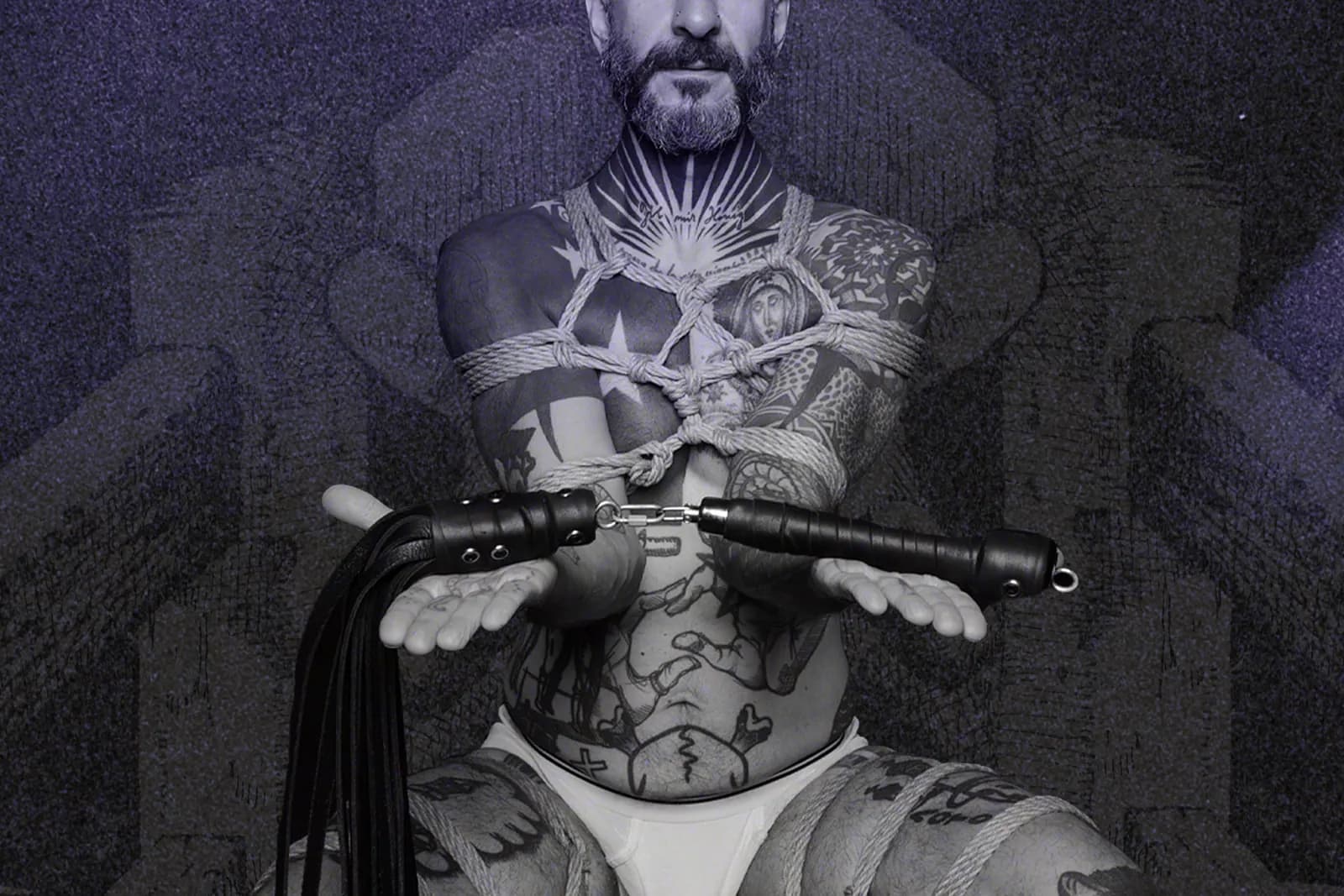
Kink is a taboo within a taboo, embedded in the Western world’s deep ambivalence about sex and continued discomfort with queerness. The broad overlap between kinky and queer communities means that BDSM (and its built-in resistance to hetero norms) is a perennial site of moral panic and persecution.
Kink is a taboo within a taboo, embedded in the Western world’s deep ambivalence about sex and continued discomfort with queerness.
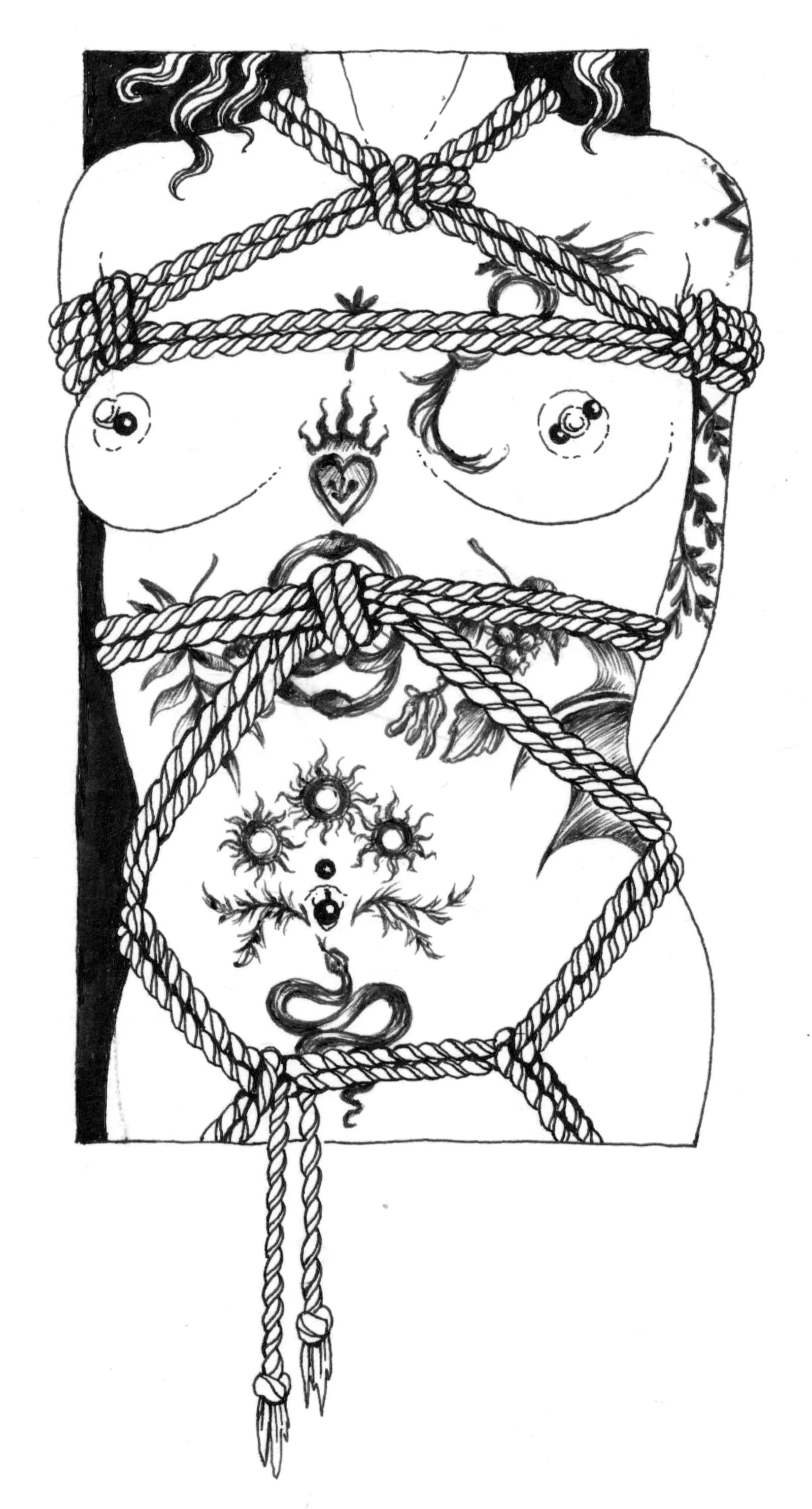
So even though you can buy dildos in some drugstores now, a watersports scene in an HBO drama can still have critics clutching their pearls. But daring storytelling often normalizes stubborn taboos. It’s a reason to feel hopeful about the uptick in nuanced portrayals of kink (and sex in general) in mainstream movies and TV. Maybe it’s moving us toward a time when these subjects are less saddled with undue shame.
In Pretend It’s A City, the Netflix documentary featuring author and cultural critic Fran Lebowitz, she’s asked if she’s got any guilty pleasures. “No,” she replies, “I have no guilty pleasures, because pleasure never makes me feel guilty.” It’s a philosophy I endorse wholly, not the least for the implicit invitation to probe at unquestioned societal rules, and who decides what constitutes social deviance.
You know you like it
Taboo is a universal concept, appearing in virtually every culture. It’s most neatly defined as a word, practice, or idea that’s restricted or prohibited by religious or social customs, though realistically speaking, someone’s always engaging with it. Like foul language, some taboos keep their hold despite near-ubiquity, from visible bra straps to classic kinks like foot fetishes.
Like foul language, some taboos keep their hold despite near-ubiquity, from visible bra straps to classic kinks like foot fetishes.
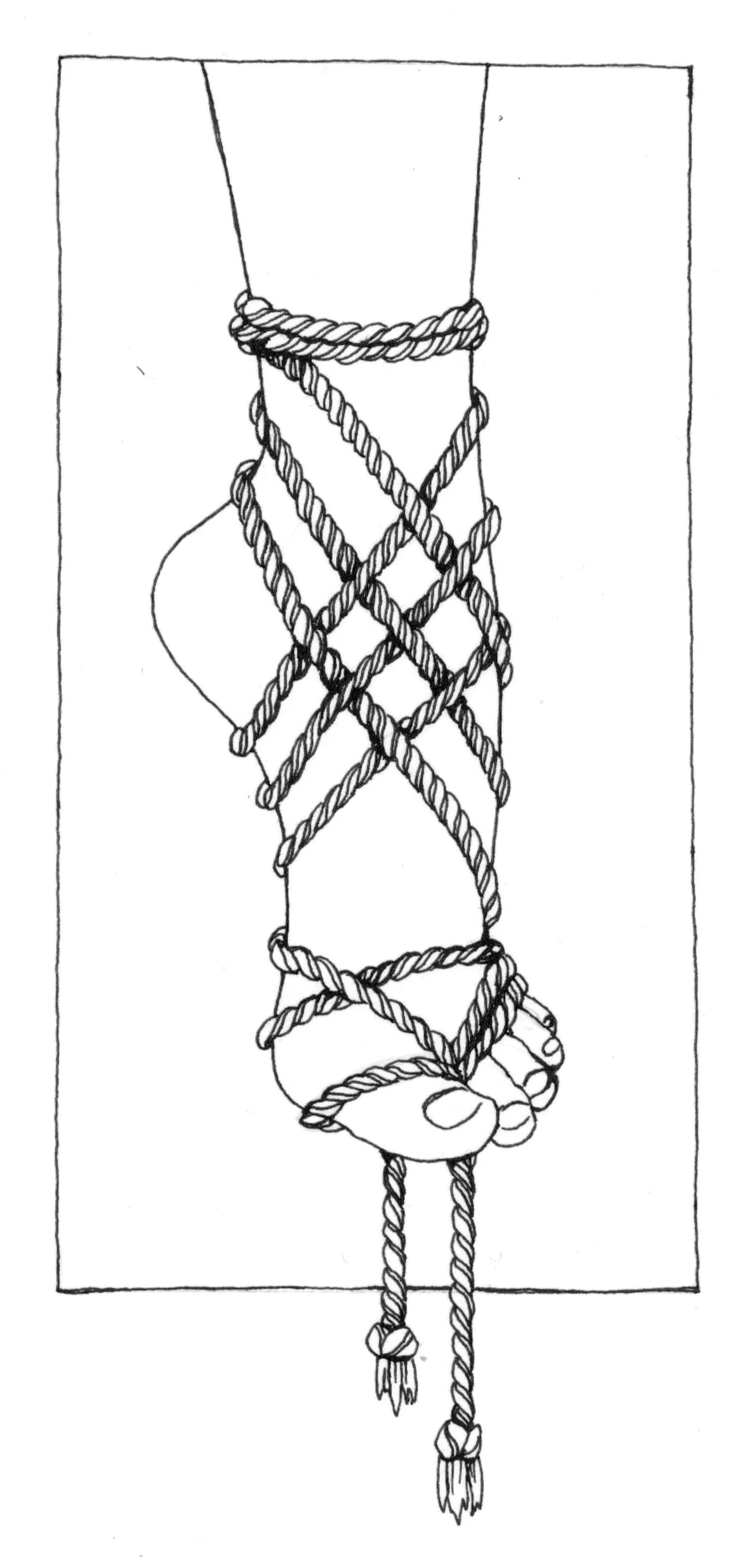
The social function of taboo is to constrain or repress certain facets of human behavior by triggering shame, or fear of rejection. Though sometimes deployed by powerful institutions as a tool of mass coercion (known in clinical circles as “social control theory”: think cults and fascist governments) other times the motivation is perfectly sensible. Like how we should absolutely stigmatize driving while drunk, as it frequently ends in tragedy.
Or take the fairly pervasive incest taboo; important for warding off abuse and genetic anomalies. And yet incest porn is a highly sought genre, despite the relative rarity of its practice. Sigmund Freud would have thoughts about this. The Austrian psychoanalyst theorized that the disgust which accompanies taboo is indicating suppressed desire. He’d say we’re grossed out by incest for the same reason we seek its depiction: because we secretly wish to engage in it.
Except sometimes a fantasy is just that, and many people indulge ones they’ve no desire to act out, stigmatized or otherwise. Also, high view counts on “forbidden” sex acts have no inherent meaning. We can’t possibly know whether someone sought them out because they were curious, aroused, or doing academic research. Since taboos are about both collective values and internal tensions, it seems neither social control theory nor Freudian psychoanalysis really tells the whole story.
Neurochemistry may offer some clarity.
Where the body meets the mind
When our brains are confronted with something that offends our sensibilities, multiple cognitive processes are deployed at once, relating to language, primal drives, and compliance with social norms.
There’s the dopaminergic reward system, propelling you to explore the unfamiliar, while the amygdala, which processes fear, is evaluating risk. Your pre-frontal cortex drives your sense of judgment, tamping down speech and behavior that runs afoul of social norms. Then there’s the insula and ACC, or anterior cingulate cortex, which governs dissonance, disgust, shame, and guilt.
The sum total? A neurochemical clusterfuck of divergent incentives that can instantly turn small-talk into a social minefield, or at least make it way more interesting.
The sum total? A neurochemical clusterfuck of divergent incentives that can instantly turn small-talk into a social minefield, or at least make it way more interesting.
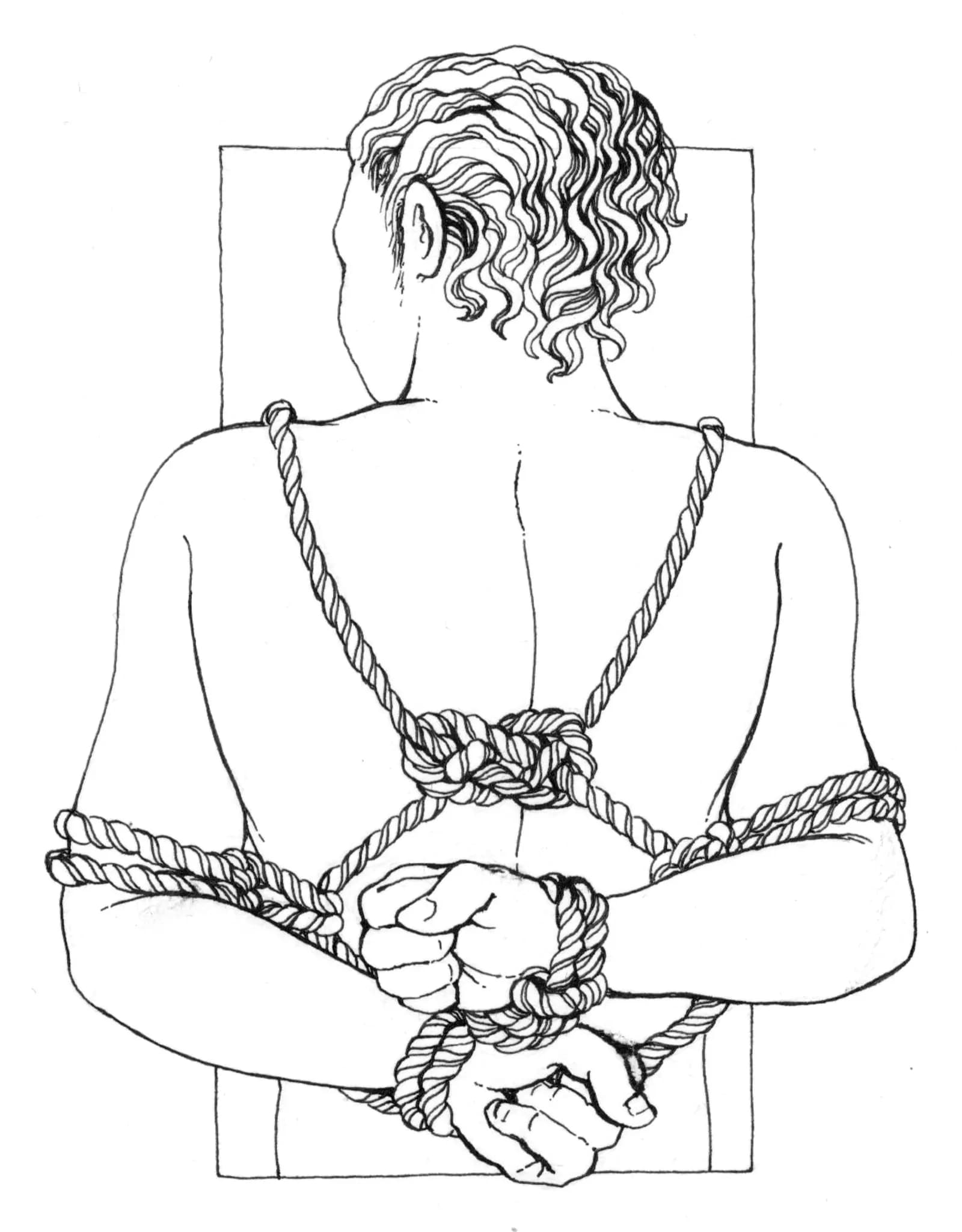
Unsanctioned words and concepts, and the way that they alter cognition, capture attention more quickly and completely. They’re also more emotionally evocative, leaving a bigger impact interpersonally, collectively, and within our own minds. They can change how we perceive ourselves, and how we want to live our lives. Which is why every cultural mainstream keeps some ideas in the dark: because exploring them can motivate change and redistribute power.
Taboos around divorce and single motherhood aim to keep women dependent on men. Stigmatizing plant medicine and midwifery upholds the pharmaceutical industry. Oral sex taboos denigrate queerness and even pleasure, all to promote procreation. Many societal rules were written to curtail our personal power, and we can still internalize them even when they don’t align with our values.
No wonder subverting them is sexy.