Rope Bondage & Chronic Pain: If You’re Not The One In Pain
Tying with a rope partner who experiences chronic pain is a chance to advocate for accessibility and expand your own practice in the process. Here’s how to start showing up…
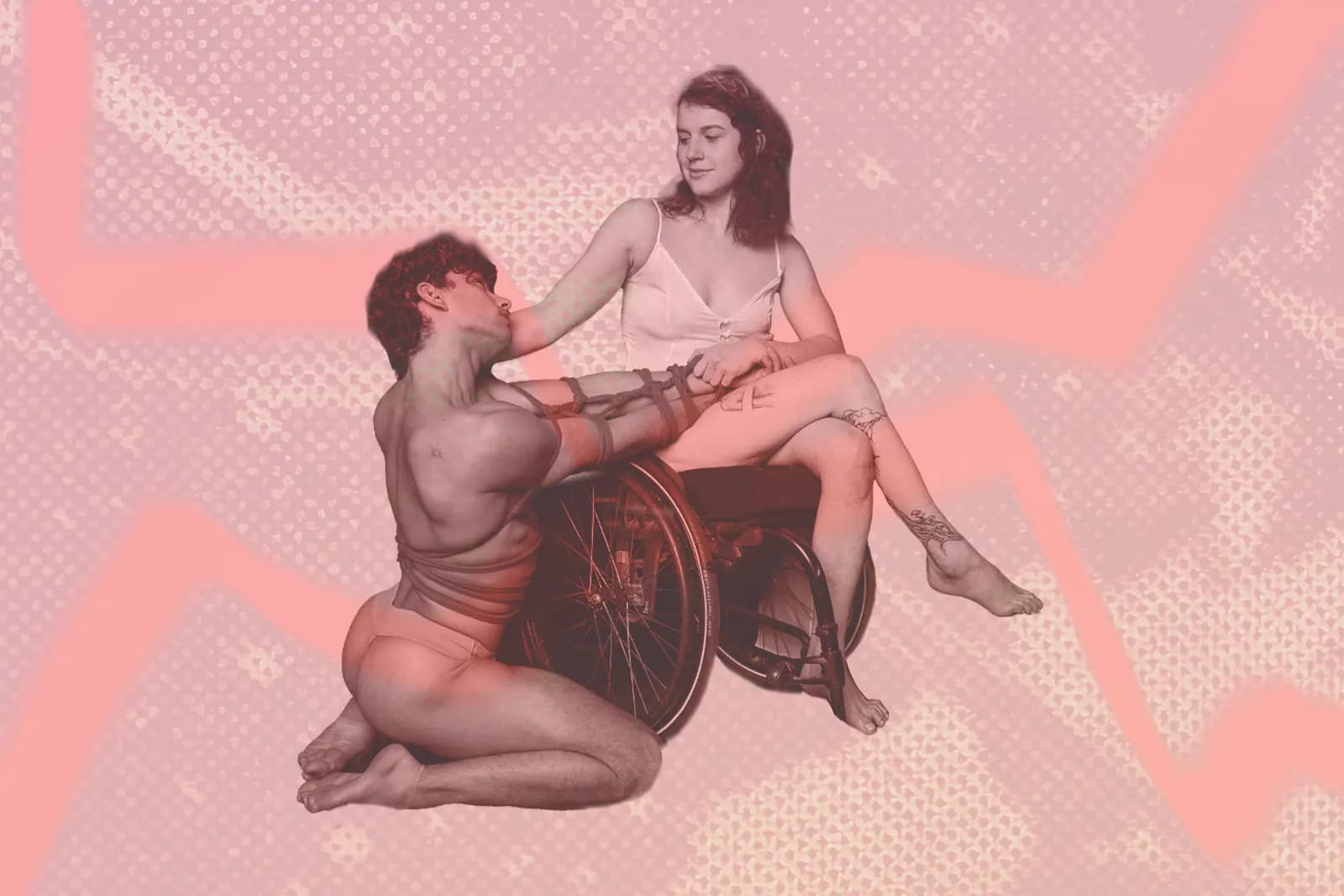
When I first started learning shibari, I genuinely felt it would be impossible for my disabled, chronically ill and painful body.
I couldn’t find classes, books or teachers that reflected my bodily experience. Almost every resource I found assumed able-bodied learners and there were very few accommodations for mobility, body size, disability or experiences of pain. I started to believe that if my body couldn’t do rope bondage the way everyone else seemed to, then maybe it simply wasn’t for me.
Seven years later, I now hear a version of this story again and again from folx who find my content and come to my workshops.
For those of you who are not in chronic pain…
This article is for rope enthusiasts who do not live in chronic pain... Why? Well, frankly, we need you.
We need you to learn about disability, accessibility, and the ways chronic pain can shape a rope practice. We need partners who arrive having already done some of that learning, instead of expecting the person in pain to educate them from scratch. We need you to believe in the validity of disabled rope tops and bottoms. We need rope educators who know how to adapt patterns and who see the value in teaching those adaptations as part of their curriculum. We need fellow students to ask questions about disabled adaptations, to help make us part of the conversation.
We need you to believe in the validity of disabled rope tops and bottoms. We need rope educators who know how to adapt patterns and who see the value in teaching those adaptations as part of their curriculum.
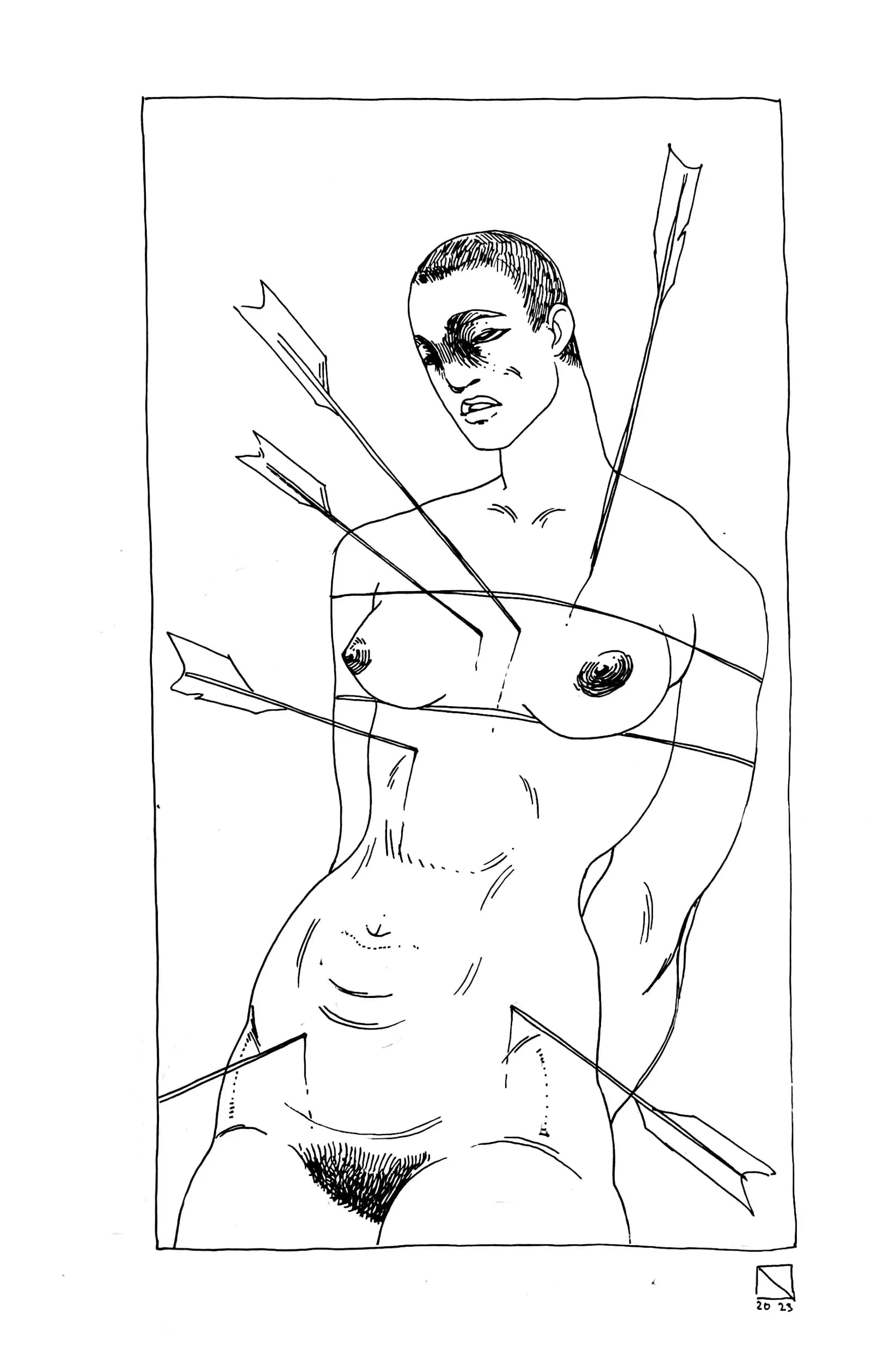
We need you because we also belong in rope communities, classes, jams and parties, and it would feel dreamy for me, and so many others, to be able to show up without having to shrink our access needs. I believe this kind of structural accessibility is possible, but it has got to be a community effort.
So, to that end, here’s my introduction to learning about chronic pain in rope…
What is chronic pain?
Let’s start by getting really clear on what I mean by these words.
Chronic pain is generally defined as pain that lasts longer than three to six months. It can result from disability, trauma, nervous system dysregulation, injury, illness, surgery, and sometimes there’s no clear reason. Some of us have very clear diagnoses, some of us will probably die trying to get one. Some of us simply don’t have access to those resources or care at all.
Chronic pain is super common. Around 20 percent (one in five) adults globally live with some amount of chronic pain, making it one of the most widespread health experiences on the planet. That number is likely underestimated given barriers to healthcare, diagnosis and disclosure.
This means, if you’ve been in rope communities for any length of time, you’ve almost certainly played, or will eventually play, with someone living with chronic pain, whether you know it or not.
If you’ve been in rope communities for any length of time, you’ve almost certainly played, or will eventually play, with someone living with chronic pain, whether you know it or not.
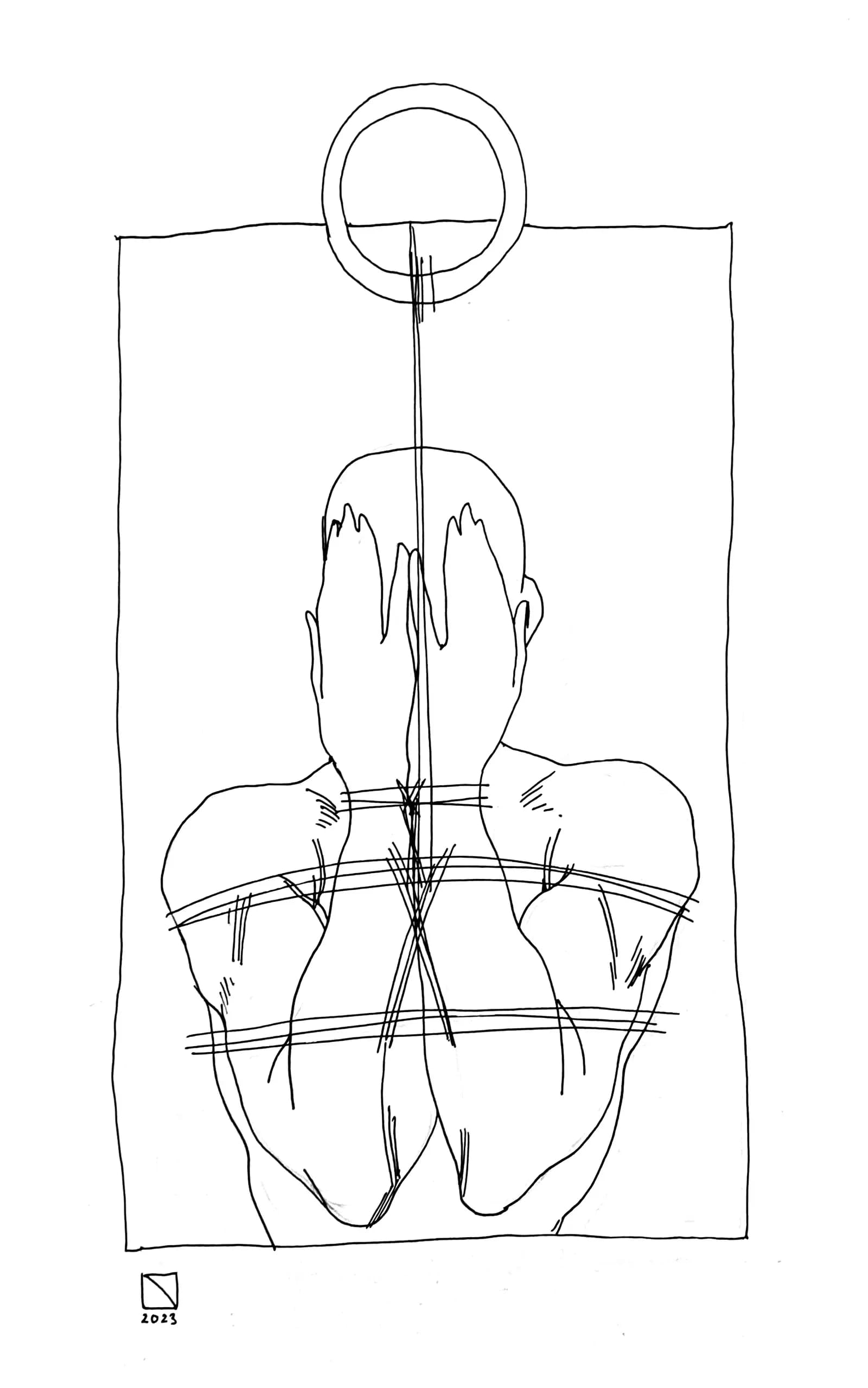
Chronic pain is political as fuck. Race, gender, geography, citizenship, class, body size, disability and more impact our experiences of chronic pain access to care.
Some of us can plan for recovery: booking a massage after a rope session, building in aftercare time, having the money and flexibility to tend to our bodies. Some of us even have access to knowledgeable, kink-aware healthcare providers, mega-cool specialists who can help us assess whether specific ties are safe for our specific condition(s).
And some of us don’t have access to a doctor at all, let alone one who is safe enough to discuss a rope-related flare-up or injury.
We’re more diverse than you (might) imagine
Take a moment to pause and reflect on who you imagine when I use the words “disabled” or “chronically painful” rope enthusiast. Who do you see? What roles do you imagine they have? What kinds of ties do you imagine they enjoy?
One of the most common misconceptions I come across is that chronic pain tells you everything you need to know about a person’s relationship with rope. It really doesn’t.
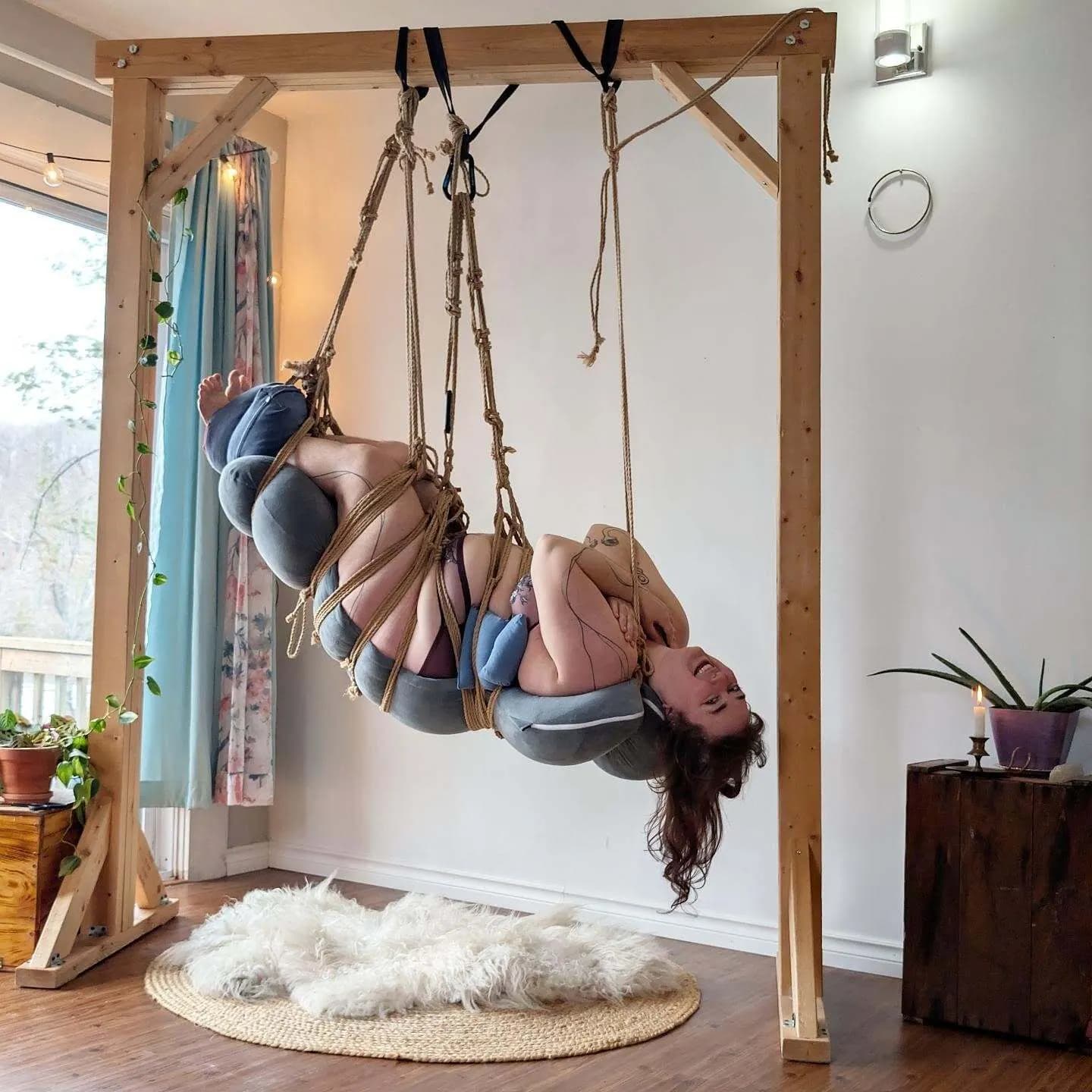
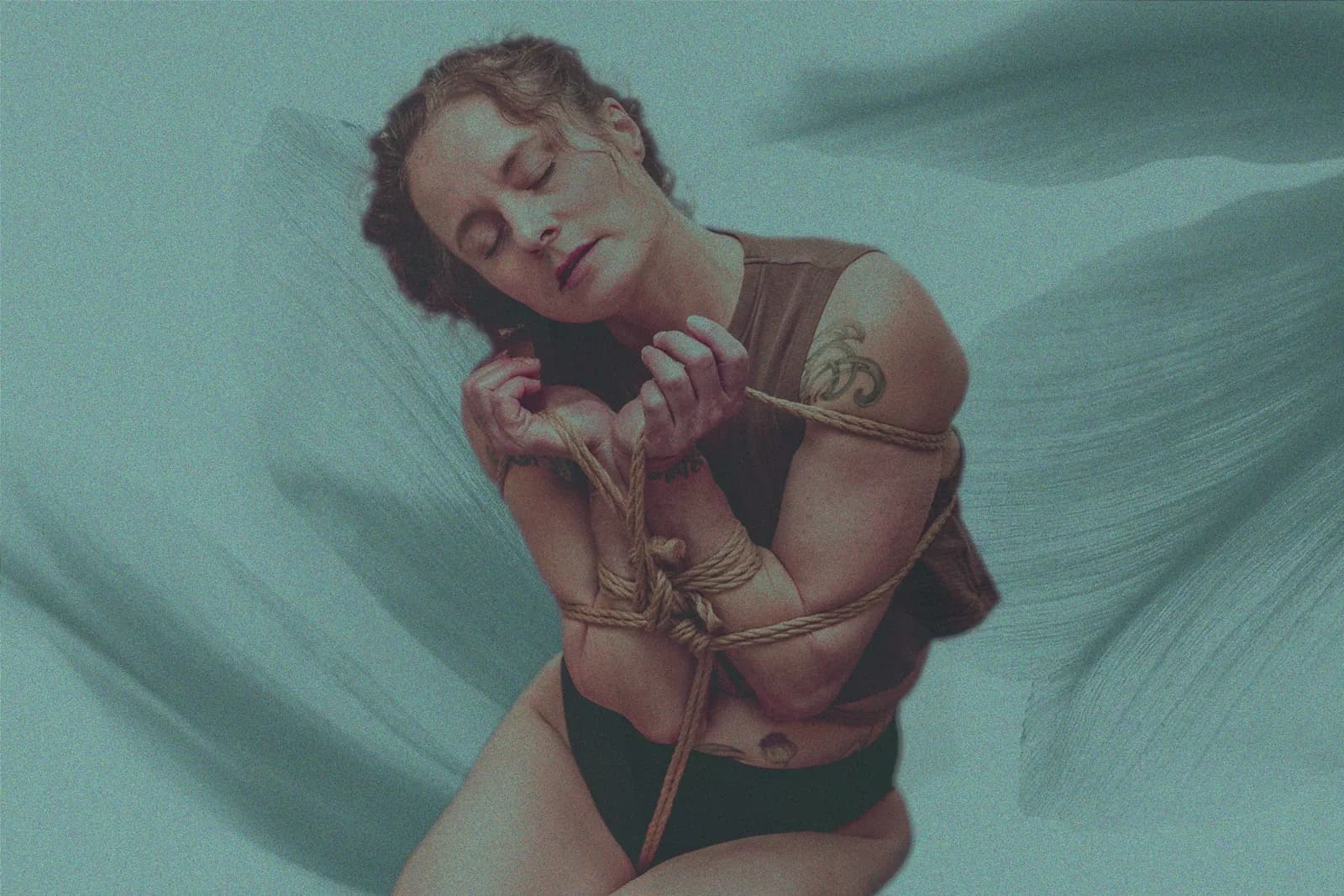
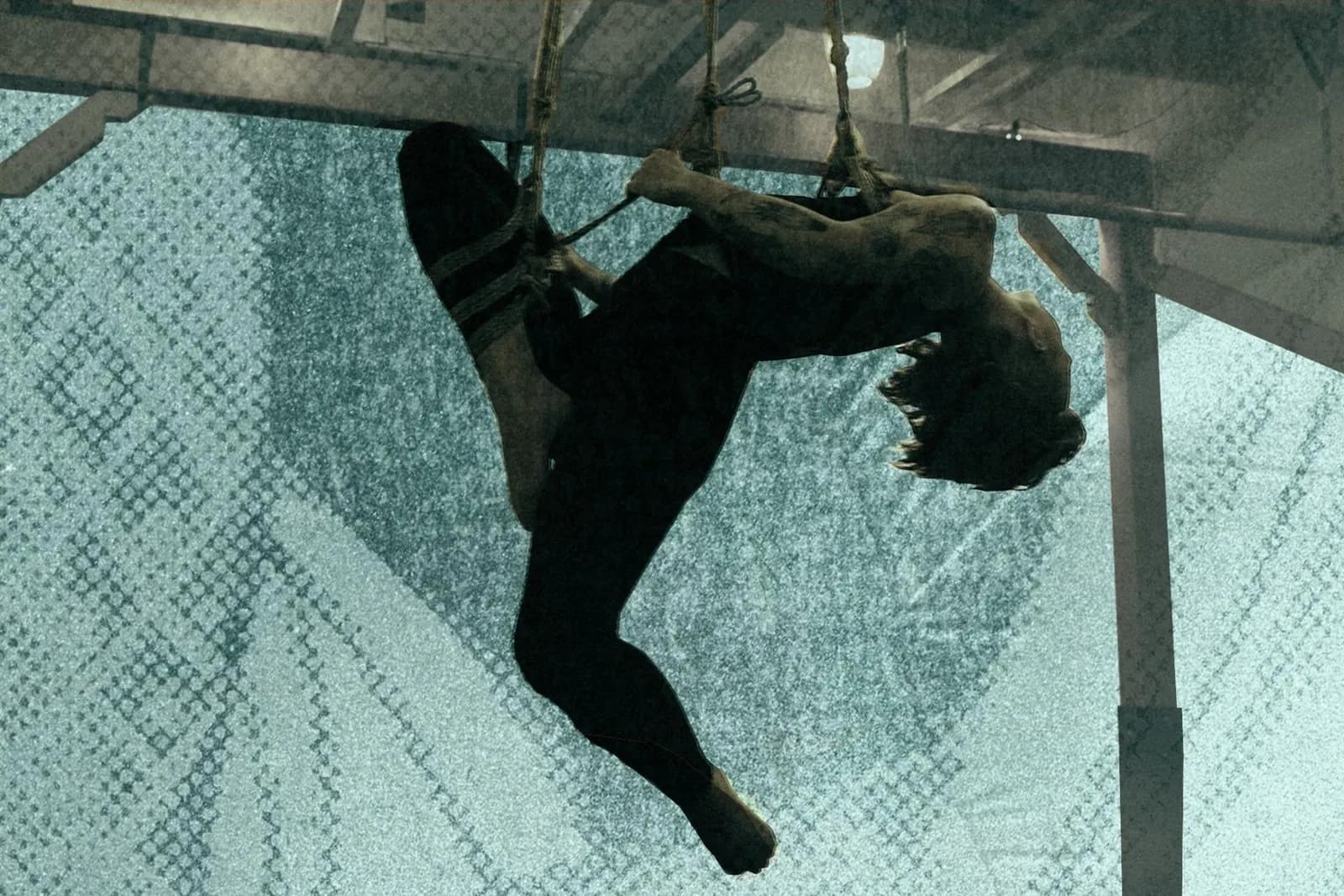
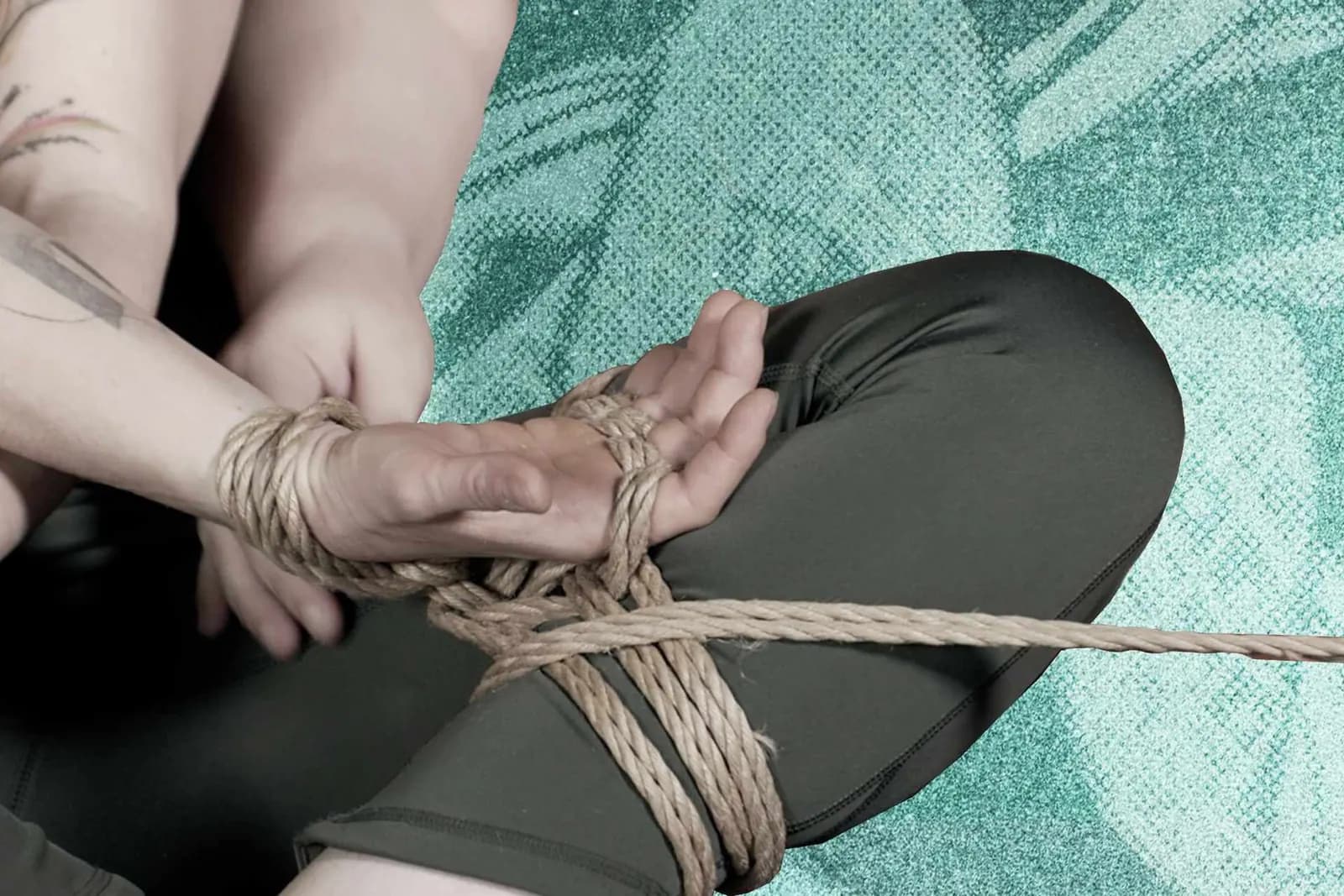
Some of us are tops. Some are bottoms. Some switch. Some self-tie. Some of us love suspension, some of us are floor (or bed) babes forever. Some of us tie with our mobility aids, some of us keep them close by. Some of us have invisible disabilities that you wouldn’t notice unless we chose to tell you.
For some of us, rope and kink are some of the only places we have agency over pain. We get to choose how deeply fucked up we get by the additional pain, a sense of control that’s so different than day-to-day unwanted pain.
For some of us, rope and kink are some of the only places we have agency over pain. We get to choose how deeply fucked up we get by the additional pain, a sense of control that’s so different than day-to-day unwanted pain.
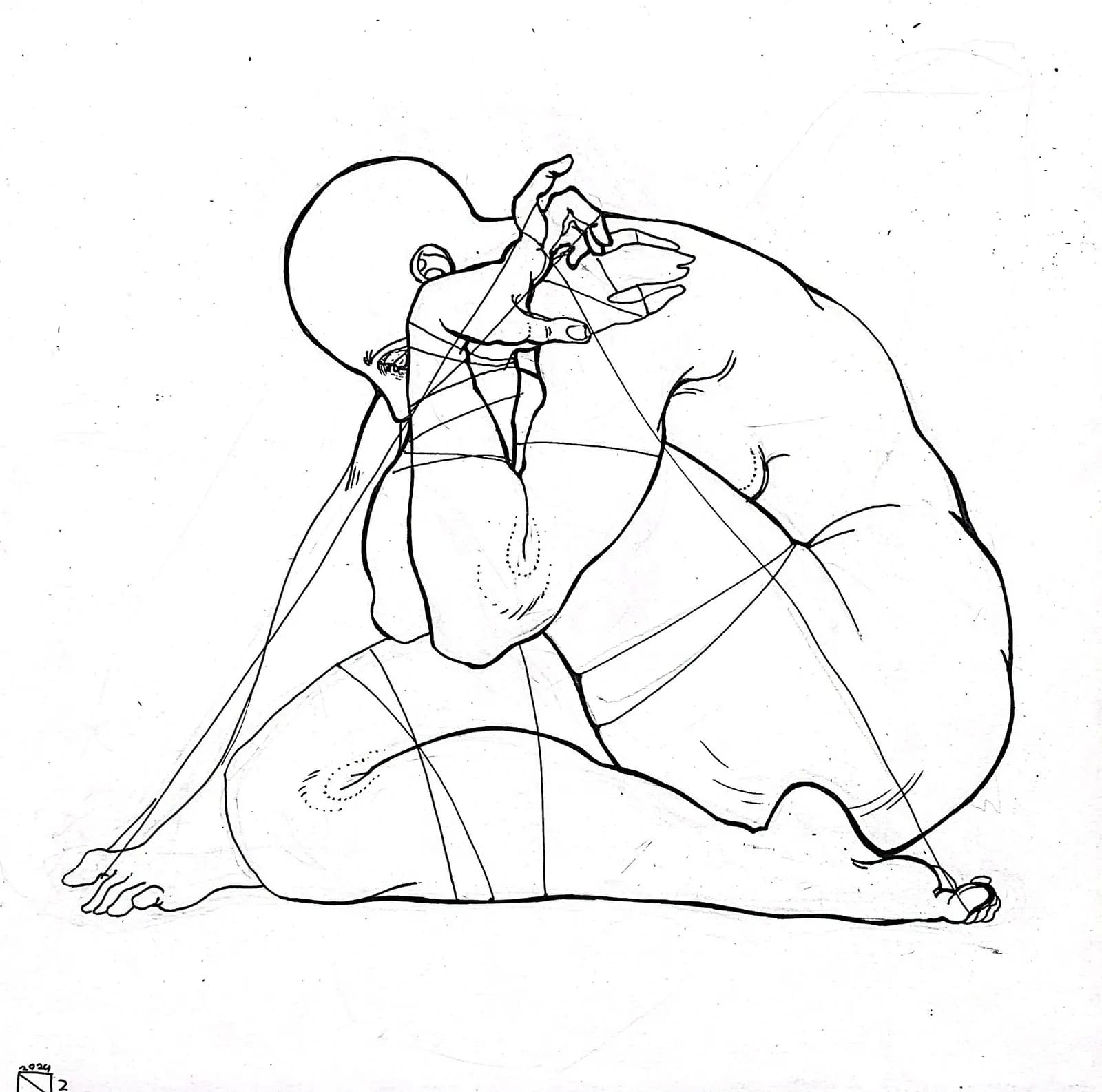
Others choose to avoid additional pain from ties entirely, seeking softness, coziness, stillness. These are the friends that often think rope can’t possibly be for them.
Now take a moment to think back on your reflections a few moments ago. What images, words, body shapes and rope scenarios did you imagine? What kind of assumptions did you make?
Lean into (respectful) curiosity
You don’t need to become an expert on chronic pain or on someone else’s diagnosis to show up for us in rope communities or partnerships. It is, however, really supportive if you become comfortable checking your privilege, asking questions and doing your own research.
It’s important to understand your partner’s pain and risk profiles (if they want to share). It can be supportive to help distinguish between sensations caused by rope versus sensations that are already part of their day-to-day. For instance, shooting nerve pain is a daily experience for many folx. But that can be really alarming in ropes if you’re tying someone who starts having shooting pain, and you haven’t had that conversation ahead of time.
So, ask folx what their flare-ups look like, how they experience pain and mobility, and what they want you to know. Ask everyone, regardless of whether or not they’ve self-identified chronic pain or disability. Ask the people you’d never think to ask. Ask about blood pressure and nerve pain and whether they have sensation in the limbs you’re about to tie. Ask about aftercare, the risks associated with a flare-up, and what (if anything) they’ll want from you in the coming weeks.
Remember that everyone has a different relationship with risk. Some people are comfortable with bruising, marks or flare-ups. Some of us have weekly doctor’s appointments and those marks are hard to explain to vanilla, conservative health practitioners.
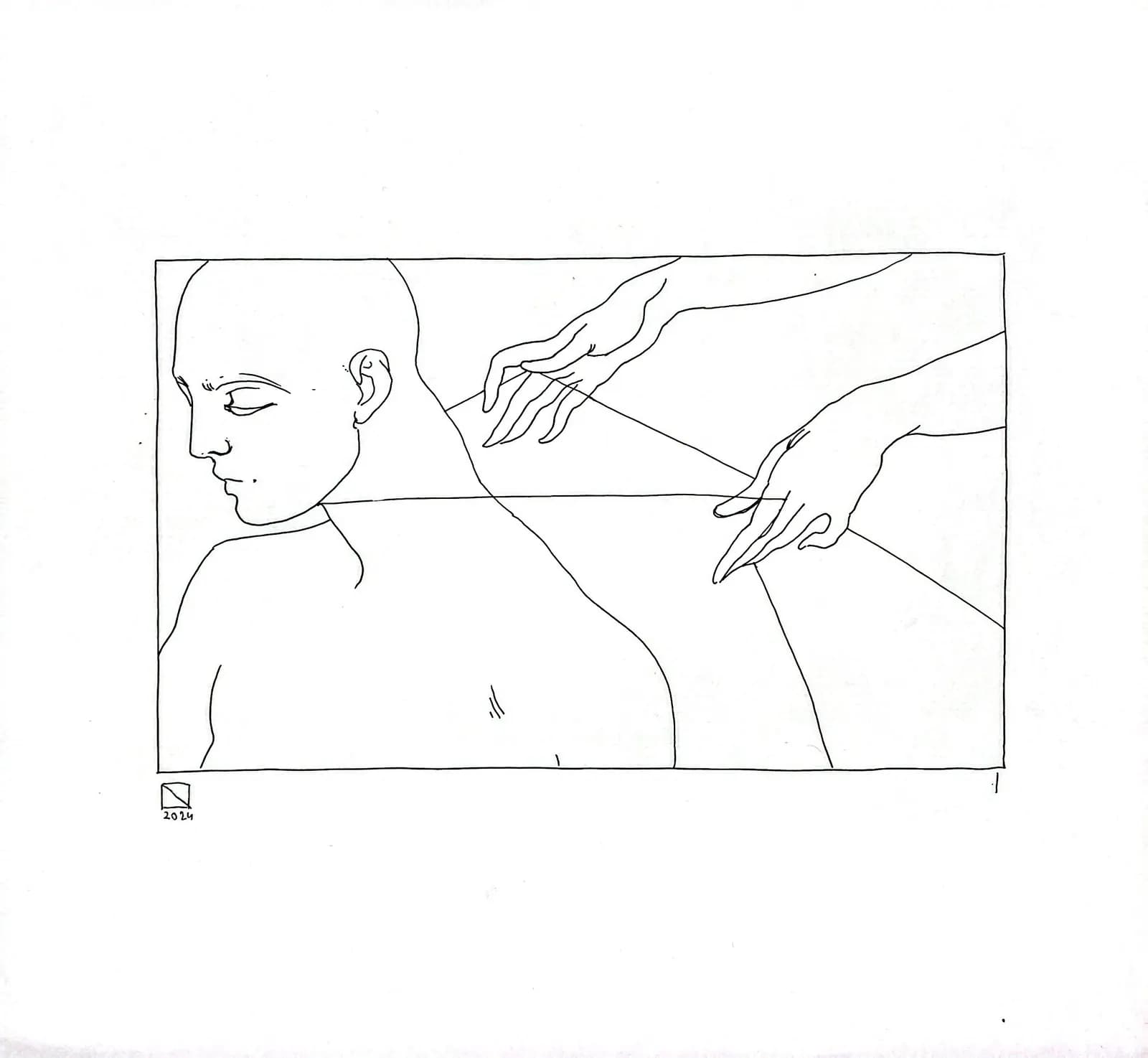
These conversations may feel sensitive or awkward at first. What if I fuck up and ask the wrong thing? What if I come off as invasive or disrespectful?
You might be challenged by assumptions you have or bodily experiences you didn’t realize could exist. You might be confronted with your own ageing, injury-prone body.
That’s part of the process.
Do your own research outside of negotiation, remaining open to learning and being corrected. And remember that your partner isn’t responsible for being your only teacher.
Redefine what success looks like
It’s common to lust over rope inspo online, many of us aspiring towards inverted suspension and predicaments to post on FetLife or Instagram. Maybe you’re pushing towards an aesthetic or athletic goal. And while those milestones can absolutely be meaningful, they’re not the only measure of a delicious rope practice.
Sometimes success is discovering that cotton ropes are soft enough not to trigger your allodynia (a medical symptom where you feel pain from things that touch your skin, like clothing or light touch). Sometimes it’s realizing a mobility aid belongs in the scene rather than on the side. Sometimes it’s stopping a scene early because that’s what your body needed that day. Sometimes success is about really feeling connected, held and present.
If you judge your rope scenes by ableist standards, you risk missing the experience.
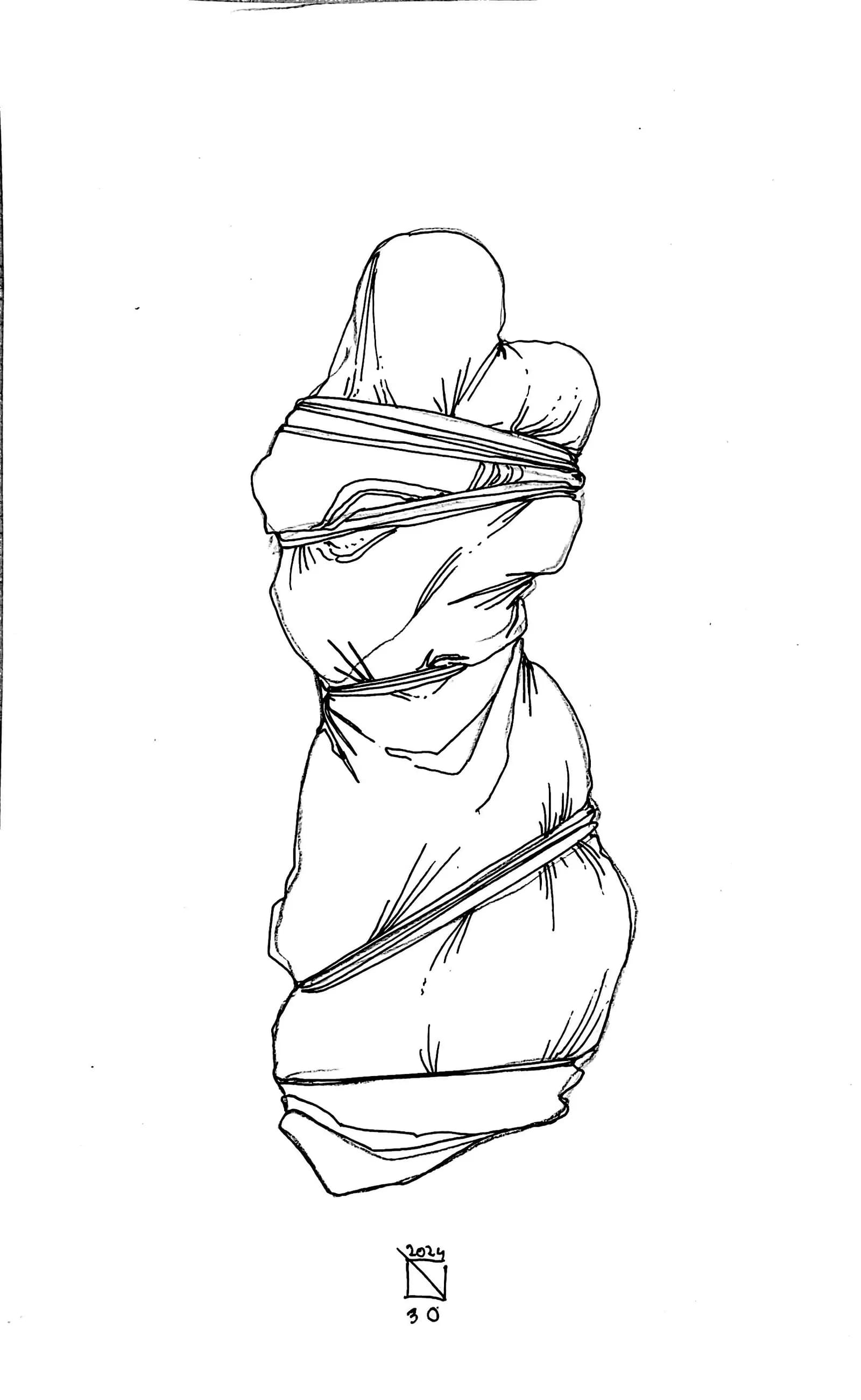
If you judge your rope scenes by ableist standards, you risk missing the experience. Accessibility is about expanding your understanding of what a good rope practice can look like, and getting creative about making that happen.
Rope is for every body
You can contribute to growing accessibility within your rope community. Structural accessibility isn’t built by a handful of disabled people advocating for themselves. It’s built by educators who keep learning, partners who adapt with curiosity, organizers who design spaces with more bodies in mind, and community members who recognize that there’s no such thing as a “normal” body.
Structural accessibility isn’t built by a handful of disabled people advocating for themselves. It’s built by educators who keep learning, partners who adapt with curiosity, organizers who design spaces with more bodies in mind…
I’m also just one person. My experiences are shaped by my own body, identities, and access to care. They don’t represent every disabled or chronically ill rope person. I’ve undoubtedly missed perspectives and continue to learn every day.
If this article has sparked your curiosity, don’t stop here. Seek out disabled, chronically ill and otherwise marginalized rope tops, bottoms, switches, and self-tiers. Attend our classes. Follow our work. Include us in your rope inspo and the educators you learn from.
The more voices we amplify, the richer, safer, and more creative our rope communities become. And the more likely it is that the next person living with chronic pain won’t spend years wondering whether rope was ever meant for their body.