Post-Shibari Blues: What Is Rope Drop & How To Deal With It
You just had an incredible shibari session, so why do you feel like rubbish? Let’s get real about post-rope lows…

The ropes have come off. You’re feeling good, perhaps even buzzing at first, but then a few hours later… A slight unease, something intangible that just feels off. Sadness, restlessness or irritability. If you’ve ever experienced something like this after a rope session, you’re not alone. This post-session state is a well-known phenomenon in the BDSM and kink world and is often referred to as “drop”.
Getting tied (or tying) can put the body in a highly activated neurochemical state. The combination of the physical and emotional intensity of a shibari session releases a heady cocktail of hormones including adrenaline, cortisol, dopamine, endorphins and, in some cases, oxytocin. No wonder we sometimes feel high during and after ropes! (It might just be one of the reasons why some of us get so hooked and literally crave ropes. Does this sound like you?)
What goes up, must come down, however. When the body is flooded with a large dose of those feel-good hormones, the very same chemicals will also leave the body at some point, leading to a “comedown”.
Who experiences drop and how?
While I’m writing from a bottom-centric perspective, drop is something that can affect both the person getting tied and the person doing the tying. Asking the rope bottoms and tops in my circle (as well as a rather unscientific poll on social media) indicated that those getting tied outweighed the people tying when it came to frequency and intensity of drop. People on both sides of the slash told me that they’ve experienced milder symptoms of drop like fatigue or feeling slightly on edge after a shibari session. Others described it as a feeling of heaviness in the body, negative emotions and thoughts, or feeling extra sensitive. The rope tops who shared details about their drops described it as more of a physical tiredness while switches and bottoms spoke more of the emotional impact.
K*, a rope switch from the UK, shared that drops after topping made her feel physically exhausted and as if she was getting slightly sick. “As a bottom, it’s mental and emotional. The worst lasted a few days, maybe even a week. I experienced every sort of depressive feeling and thought: that I failed, that I was useless, that I’m unimportant or worthless.”
The timing of drop varies. Some people feel a drop directly or within a few hours after a session, while others experience it after a few days. Personally, I rarely feel low or anxious after being tied, but I do get a sense of euphoria and a slightly manic energy after prolonged time in ropes that can take days to come down from. While “landing” after intense sessions, workshops or performances, the world around me sometimes seems duller or more meaningless compared to the experiences I’ve just had.
Some people get more severe cases of drop and experience anxiety, sadness and prolonged periods of low mood. Many people mentioned feelings of worthlessness and questioning themselves, especially if a session didn’t go as planned. “Abandonment” and even “grief” were some of the words mentioned.
Many people mentioned feelings of worthlessness and questioning themselves, especially if a session didn’t go as planned.
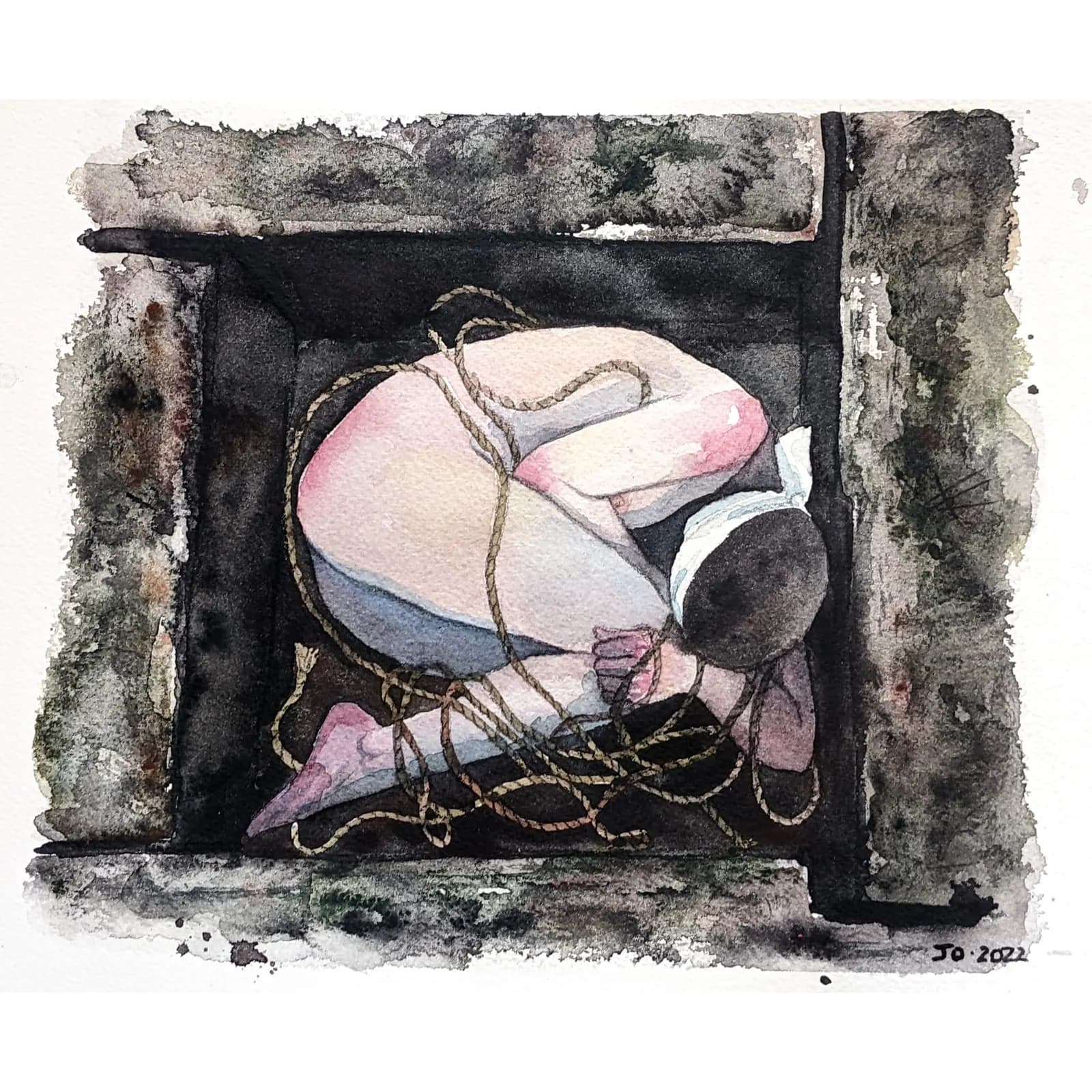
Alex*, a rope switch from Switzerland, shared that their experience of drop has been heavier on the bottom side and describes the physical sensation as a tight feeling in the chest, breath feeling restricted and lack of appetite. Emotionally drop comes with “fear of being abandoned, being used, being let go and dropped like a hot potato, from fear of not being good enough”.
Noirot, a self-professed semi-retired rigger from Prague, shared that his post-rope state would best be described as “grief is only love with nowhere to go”. Drop would sometimes even kick in during a session and afterwards he would often feel alone, abandoned and ignored with a nervous system stuck in overdrive, which would sometimes last from days to several months.
When rope drop hits harder
Those who experienced more severe drops mentioned that it was more likely to happen in more intense ties or if the session included D/s dynamics or more sexual or objectifying ties. Others shared that physical distance and not being able to see their tying partner after the session had more of an impact on the severity of drop. Rope conferences or partners leaving for travel or living in different cities and countries making it harder to connect after a session often led to a heavier drop.
Lack of or a mismatch in aftercare needs seems to be a big factor for experiencing drop. Making sure you’re on the same page here is vital. I don’t think there should be anything wrong with either riggers or bottoms being upfront if they aren’t able to offer much aftercare or support after a session. But if the person you’re about to tie with needs hours of cuddling and plenty of check-ins afterwards to not get drop and that’s not something you want to or can offer, it’s simply not a good match.
Many people in ropes mentioned that the frequency and severity of drop can be reduced by relying on the support of their tying partners and trusting that they’ll be there for them if needed.
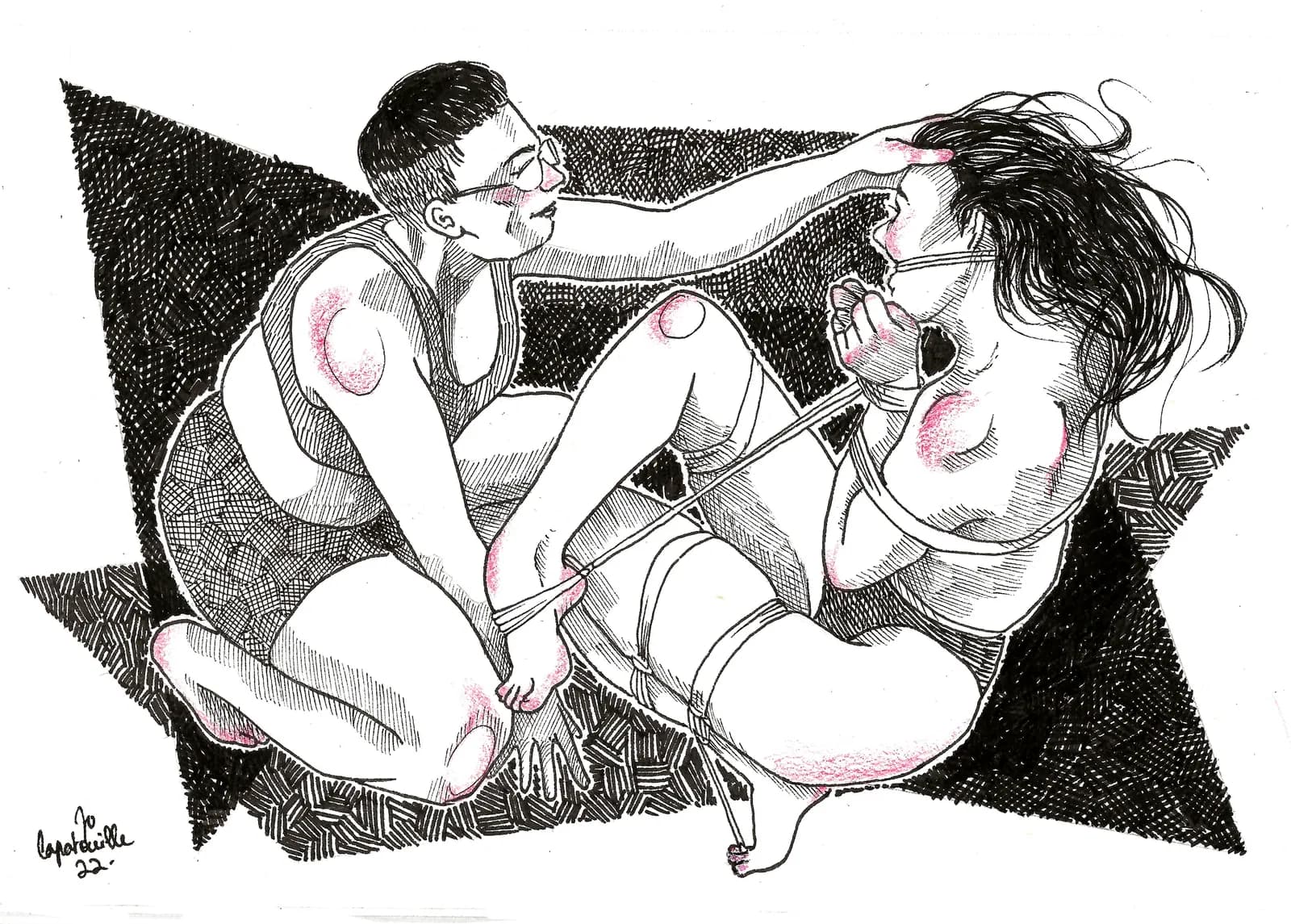
Many people in ropes mentioned that the frequency and severity of drop can be reduced by relying on the support of their tying partners and trusting that they’ll be there for them if needed. For me, safety and trust that my rope partners will show up for me if something goes wrong has been a big part of not tending to get drop. I’ve done emotionally and physically very intense sessions with partners who aren’t very cuddly or emotionally demonstrative afterwards, but who I know would be there for me if something felt wrong afterwards. The few times I needed extra support only gave me more trust in my tying partners.
Drop reduction strategies: before and after tying
Before a shibari session:
Assess your emotional and physical state. Am I already in a sensitive mood? Do I have time to spare if I feel unwell in the next few days? Maybe you didn’t sleep the night before or have some other stressor or worry on your mind. Would it really make sense right now to do a semenawa tie with a heavy dose of D/s and some humiliation play, or would it be better to do something less intense and go heavier another time?
Make sure you and the person you’re tying with are on the same page when it comes to aftercare. Before tying with someone new, ask them what kind of aftercare they need. Tell them your own preferences and what you can offer back. If you tend to experience a drop after a rope session, be upfront, tell them what might trigger it and confirm whether they can offer any support if it happens. Both parties should be clear about capacity, both mentally and physically. Maybe they’re leaving town early the next morning or will be in meetings all day. Would a phone call or text be possible to check in? And remember that this goes both ways! Ask yourself, “Am I in a mental state that allows me to be there for someone else if they experience drop after the session?”
Make sure you and the person you’re tying with are on the same page when it comes to aftercare. Before tying with someone new, ask them what kind of aftercare they need. Tell them your own preferences and what you can offer back.
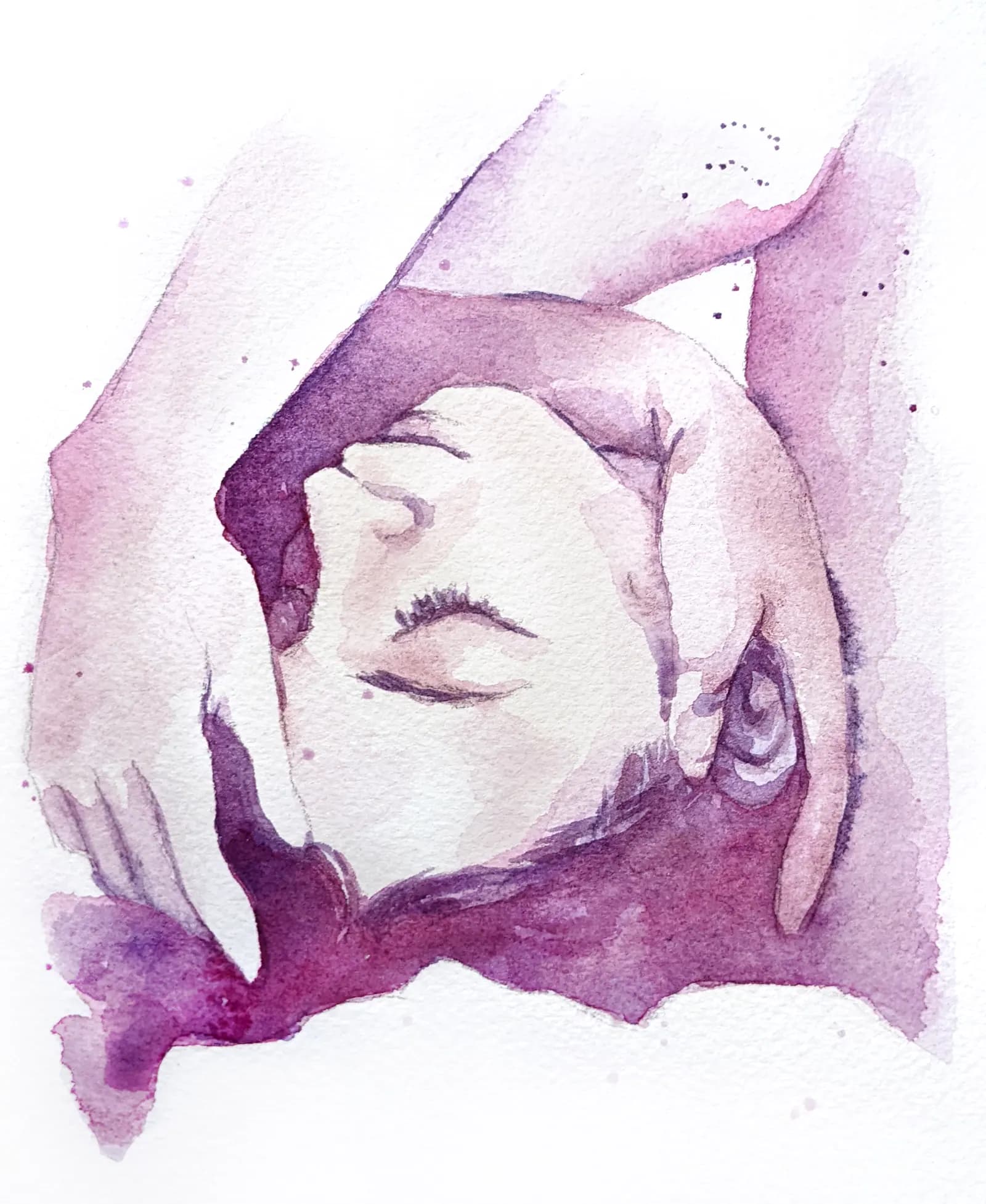
The only time I’ve personally experienced severe drop was after bottoming for a workshop and performance with particularly intense and high-risk ties. Feeling unusually unwell both emotionally and physically, I asked for support the next day, likely the first time I’d ever asked someone for help with drop. When they couldn’t support me, in person or on the phone, feeling left alone with those intense feelings made the drop intensify and last far longer than anything I’d experienced before. Now, I only play as intensely as I trust that someone will be able to support and co-regulate with me if something feels off afterwards.
Immediately after a session:
Prioritize aftercare! Our needs here can be highly individual, ranging from cuddles or self-cuddling to lying quietly under a blanket. Maybe you prefer hydrating, snacks and talking about the session, or maybe resting and listening to music helps you land.
Victional, a rope bottom from the Netherlands, shared that having a point of contact is helpful as a tool to avoid drop. “I’m not necessarily a full body cuddler after tying, but I love being in touch and talking about everything with a cup of tea and my plushy in my arms.”
Checking in on each other the day after can also become part of the ritual of a session, irrespective of if you’re the person tying or getting tied.
The post-rope comedown has arrived: now what?
You can do everything “right” and still experience drop: it’s one of the known risks of practicing shibari. After intense or prolonged rope sessions, I try to view and treat drop as a regular hangover. If I’m feeling particularly low, I make sure to have extra protein, electrolytes as well as plenty of sleep and rest. Maybe it’ll mean watching a light-hearted movie, or a sad one if I feel like crying! Having an orgasm solo (or with someone else) is another tried-and-tested drop reduction activity that I highly recommend.
Lav, a rope bottom based in Thailand, shares her favorite tips and tricks: “Relaxation time, cuddling myself, nice natural scents and either some soft music or a chill movie, water, herbal tea or cacao: all this does wonders for drops to smooth out.”
After intense or prolonged rope sessions, I try to view and treat drop as a regular hangover. If I’m feeling particularly low, I make sure to have extra protein, electrolytes as well as plenty of sleep and rest.
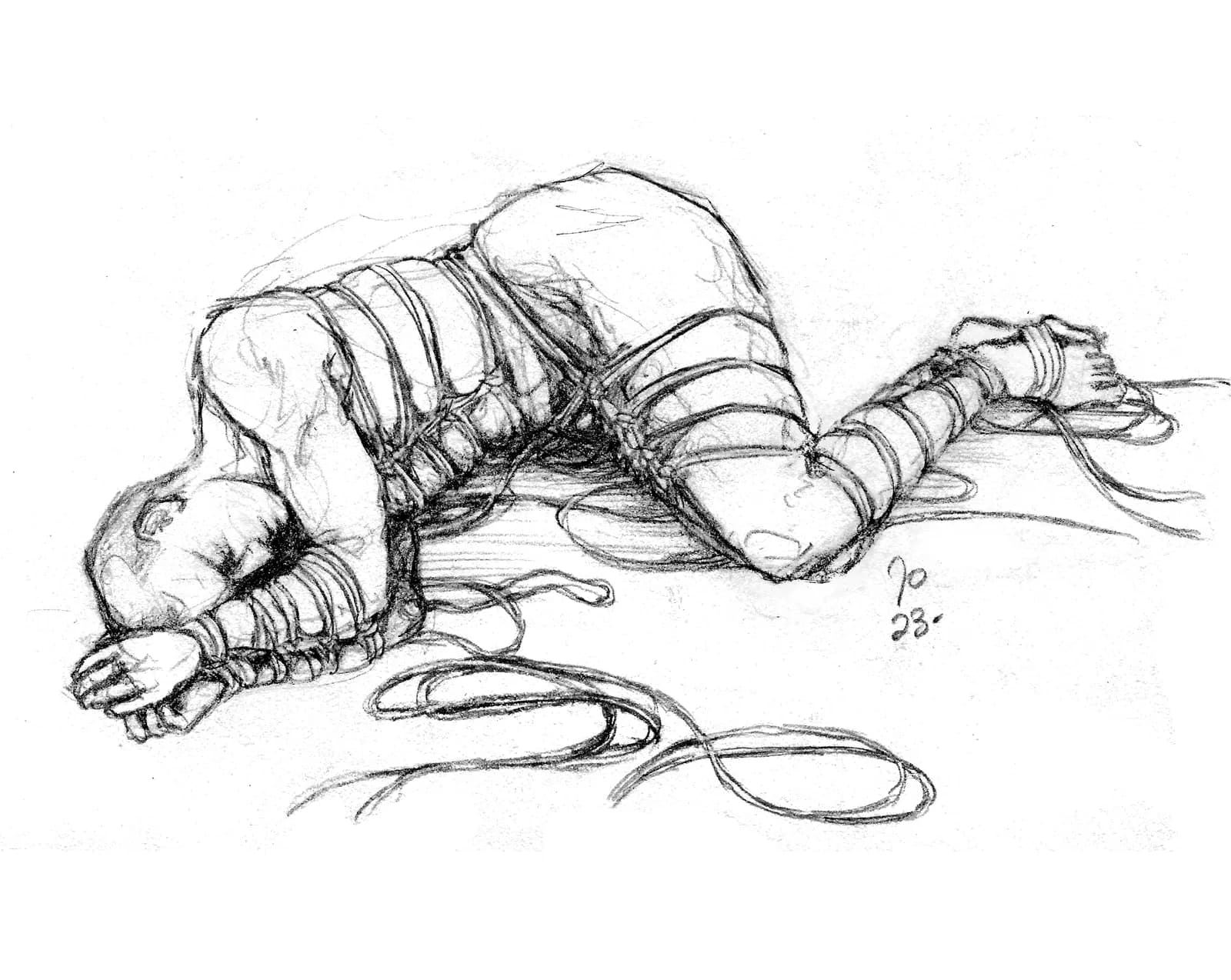
Naming what’s happening is usually helpful too. Something I noticed while talking to people from the various rope scenes across the world was a sense of not talking so openly about experiencing drop and that more contributors wanted to remain anonymous for this blog piece. Many people said they preferred to deal with drop on their own and sensed that they either didn’t get support or that it somehow felt like asking for support was asking too much.
However, on the flipside, many of the people I spoke to also shared that being able to connect with the person they tied with if they’re feeling “droppy” helped them navigate the post-rope lows better. Exchanging a few messages or jumping on a call to share your feelings or just talk about the session can be helpful.
Rope bottom Lav shares that she finds it easier to navigate drops by accepting her drops as a natural consequence of an intense rope session, “allowing them and giving them some space, having them as something temporary, not rejecting them but not giving them too much attention either, just allowing the body and mind to rest while reducing expectations and demands.”
Instead of seeing drop as something negative, perhaps it would even be helpful to reframe dropping and, dare I say, even celebrate it. If we viewed it as a ritual that allows you to slow down and truly feel your emotions, or that can point out what you need more or less of in future sessions, maybe then drop could become a more accepted part of practicing shibari.
*Names have been omitted or changed as per the interviewee’s request.